
The Colosseum – A Symbol of Power and the Enduring Legacy of the Roman Empire
The Colosseum, located in the heart of Rome, Italy, is one of the greatest surviving architectural achievements of the ancient world. Constructed in the 1st century AD during the reign of the Flavian dynasty, it once served as a major venue for large-scale public events in the Roman Empire.
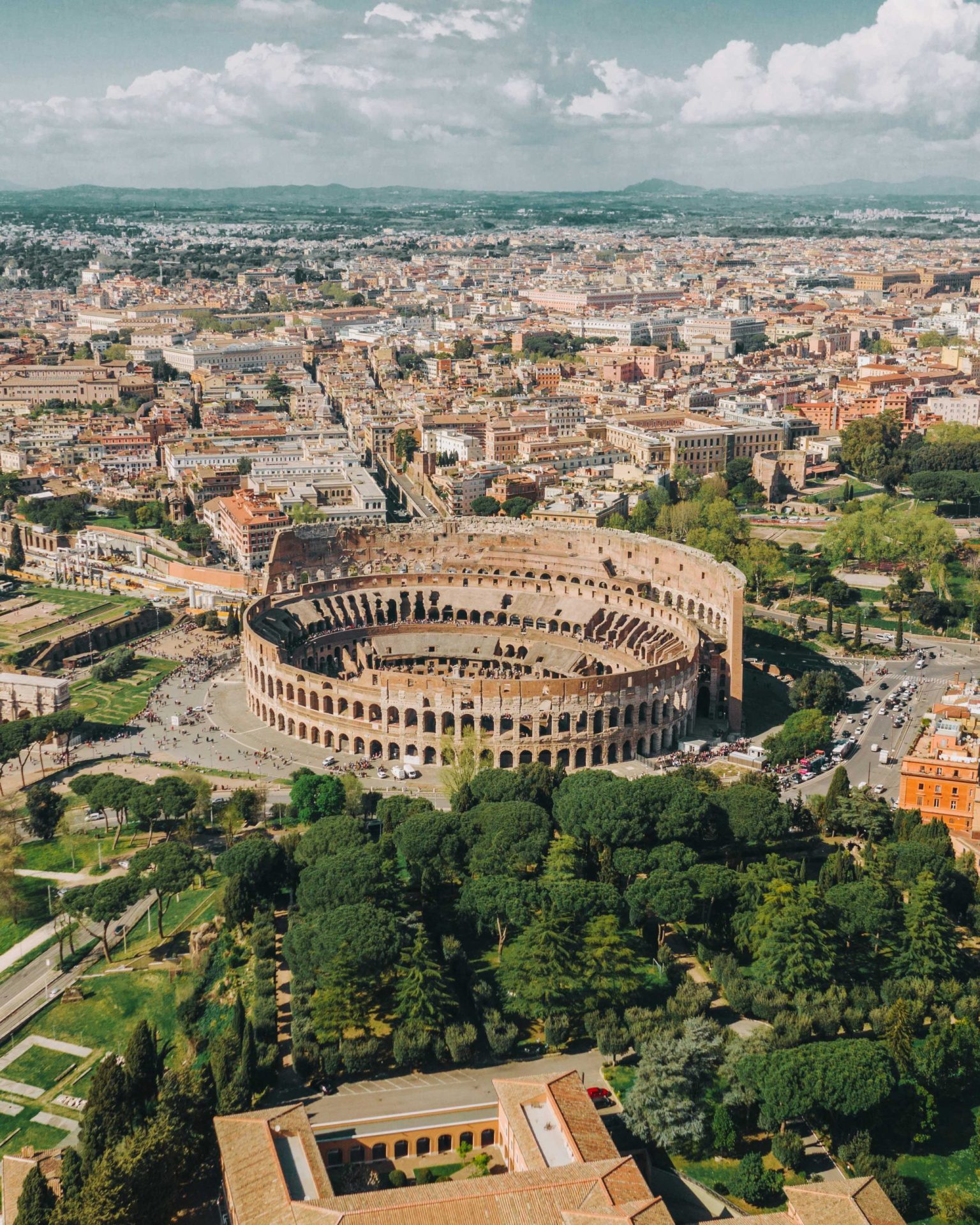
Photo: Unsplash/Spencer Davis
With an estimated capacity of 50,000 to 65,000 spectators, the Colosseum hosted gladiatorial contests, wild animal hunts, mock battles, and other spectacles that were central to Roman public life. These events clearly reflected the power of the state and the social and political role of entertainment in ancient Roman society.
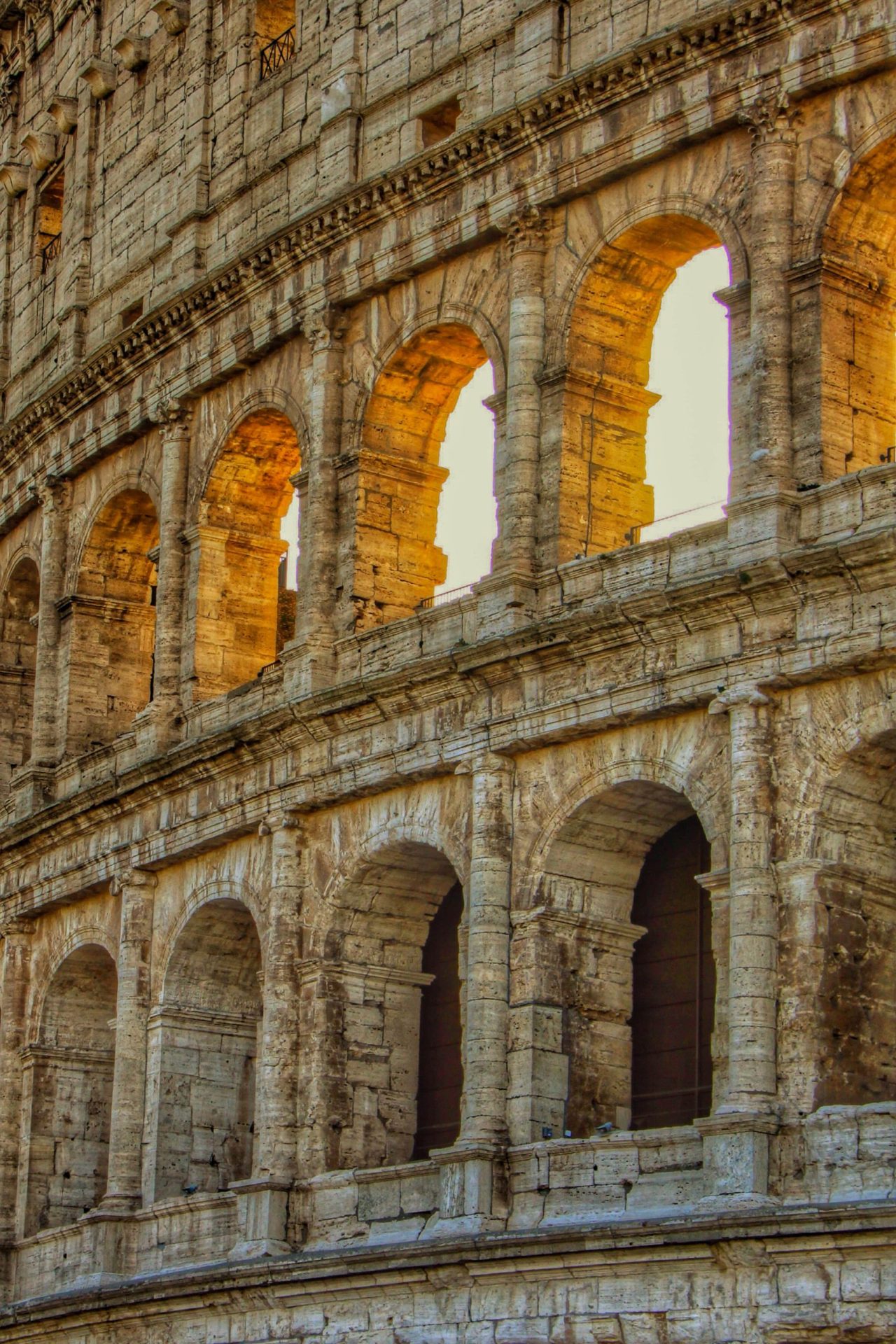
Photo: Unsplash/Nick Fewings
Architecturally, the Colosseum is a masterpiece of engineering, featuring an elliptical design, extensive use of arches and vaults, and a sophisticated system of corridors and entrances that allowed for efficient crowd movement. The use of Roman concrete, travertine stone, and brick enabled the structure to endure for over two millennia, surviving earthquakes and the passage of time.
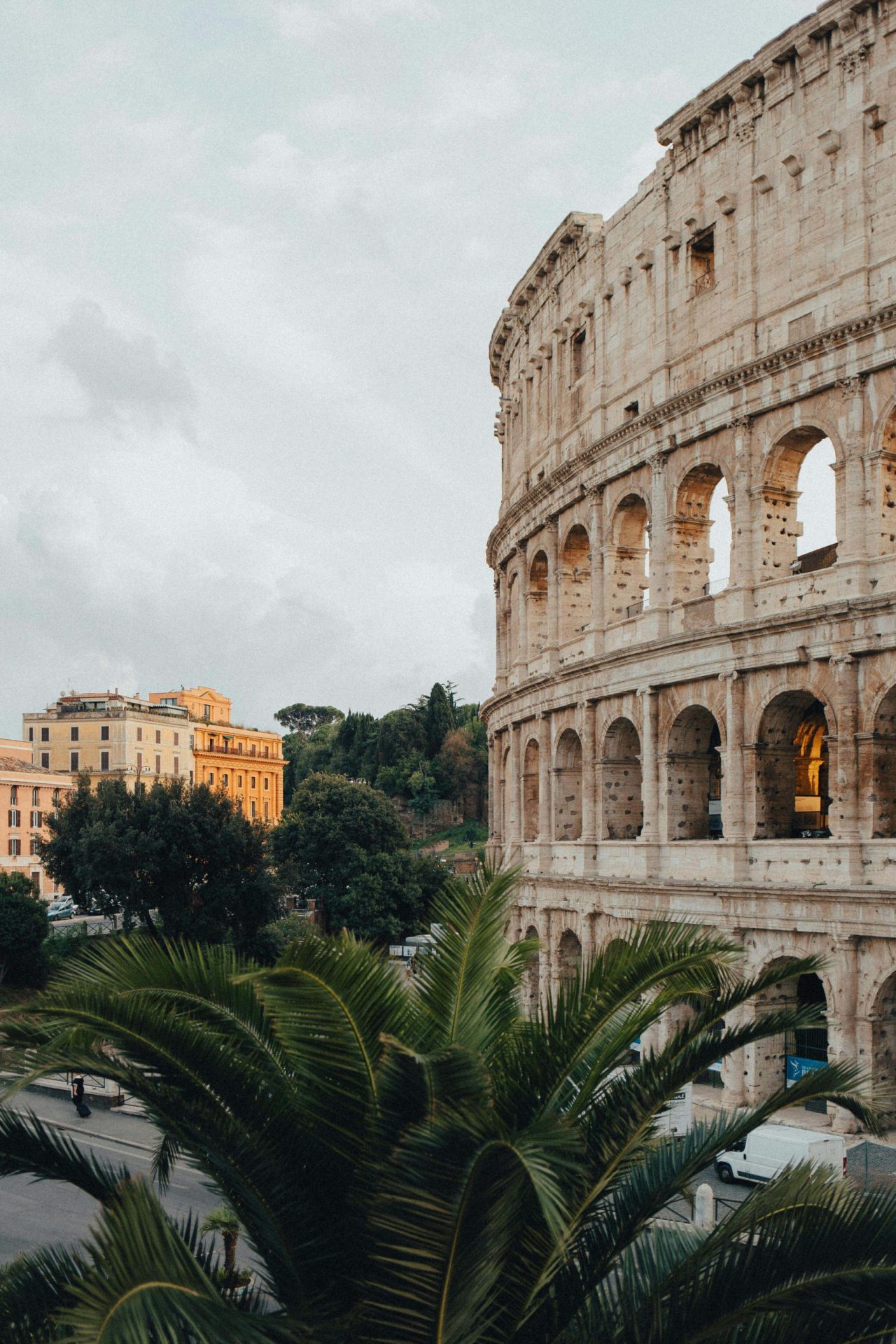
Photo: Pexels/Maxavans
Following the decline of the Roman Empire, the Colosseum was abandoned, repurposed, and partially damaged. Over time, however, it came to be regarded as a global symbol of Rome and a powerful reminder of the rise, fall, and lasting legacy of a great civilization.
Today, the Colosseum forms part of the Historic Centre of Rome, a UNESCO World Heritage Site, and remains one of the most visited monuments in the world.
NTT