
The Great Wall of China – A Monument of History and Human Determination
The Great Wall of China is one of the most monumental architectural achievements in the world, stretching thousands of kilometers across northern China, traversing mountains, deserts, and plains. Rather than being built in a single era, it is the result of construction efforts by successive dynasties, most notably the Qin, Han, and Ming dynasties.
Construction of the Great Wall began in the 3rd century BCE, primarily to defend agricultural heartlands from incursions by nomadic tribes from the north. Over time, the Wall served not only as a military defense system but also as a means of controlling trade routes, migration, and cultural exchange along China’s northern frontier.
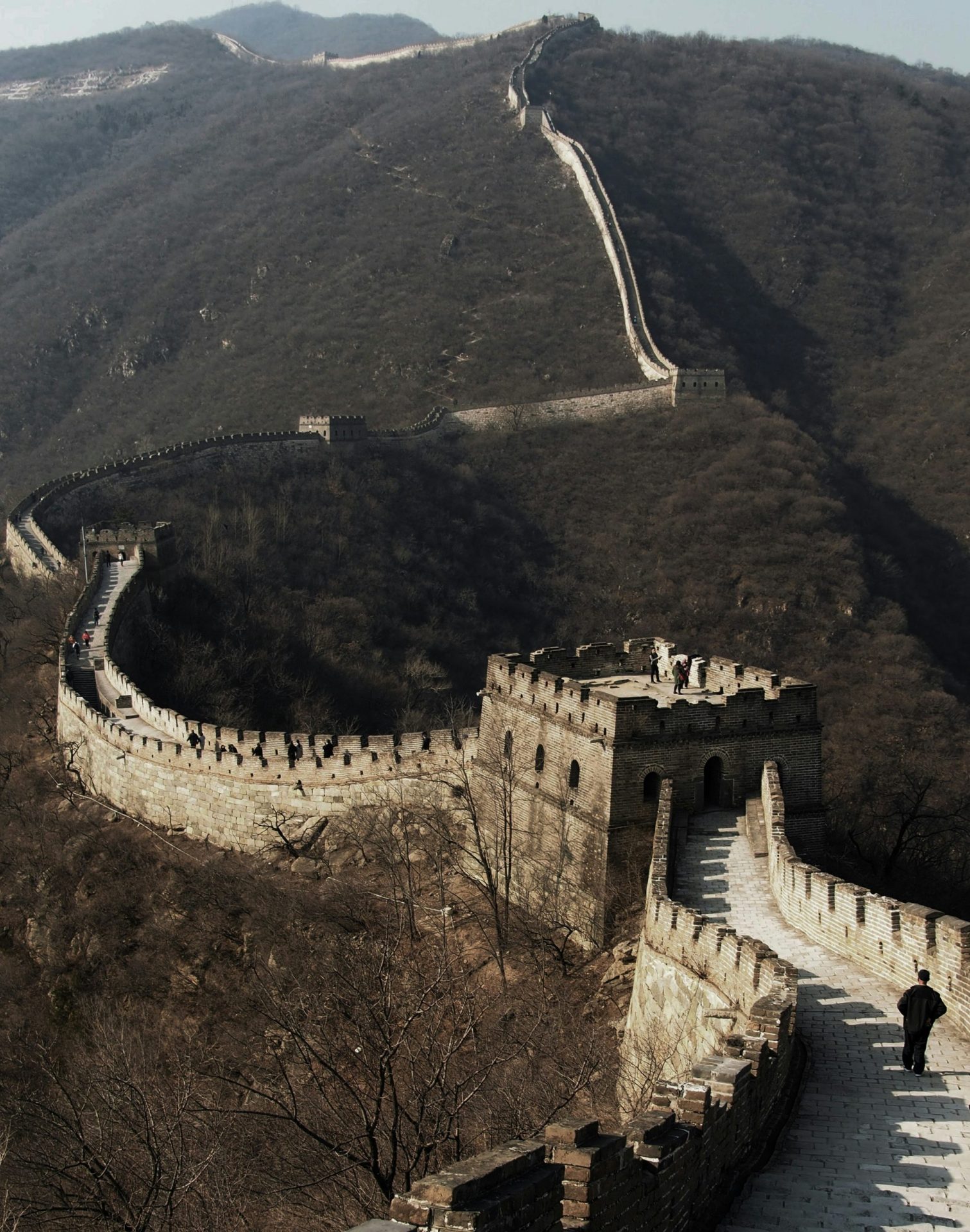
Photo: Unsplash/Rita Chou
Architecturally, the Great Wall was built using a variety of materials depending on local terrain and available resources, including rammed earth, bricks, stone, and wood. An extensive network of watchtowers, fortresses, and internal passages enabled rapid communication and effective military coordination across vast distances.
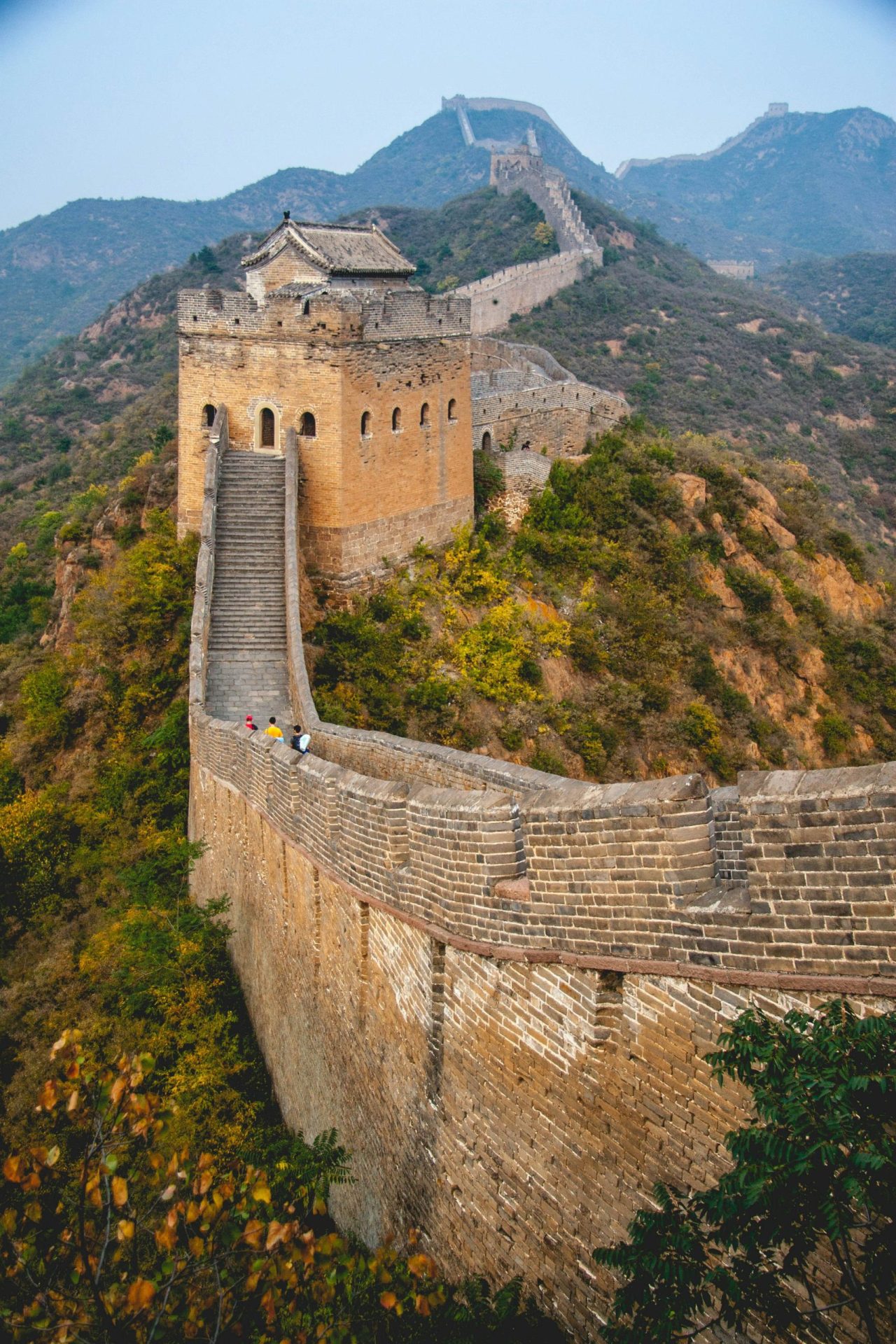
Photo: Unsplash/Joel Danielson
The Great Wall holds profound historical and symbolic significance, reflecting remarkable organizational capacity, engineering skill, and human sacrifice over many centuries. It also stands as a powerful symbol of the determination to protect territory and preserve cultural identity in ancient China.
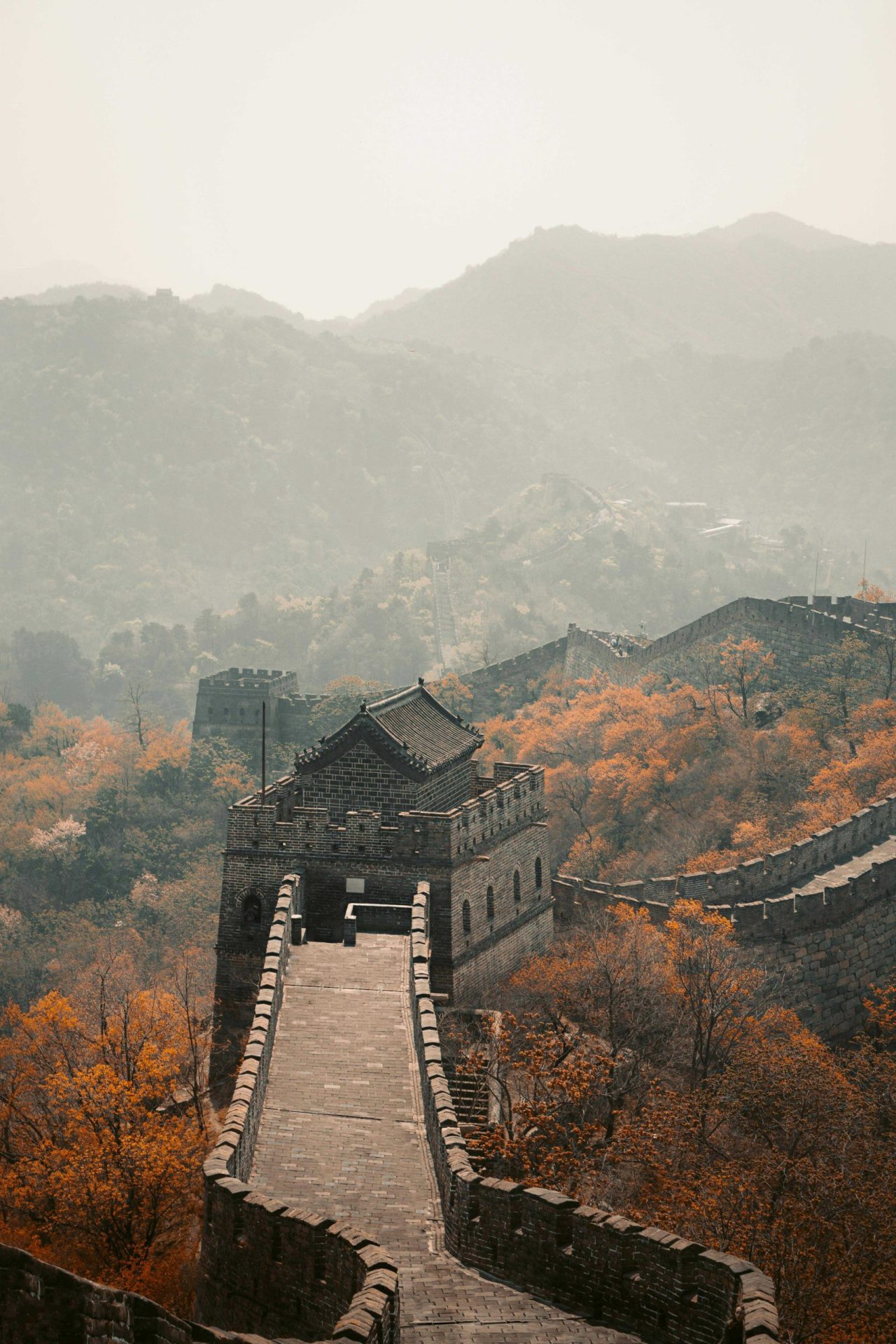
Photo: Pexels/Paulo Marcelo Martins
In 1987, the Great Wall was inscribed on the UNESCO World Heritage List. Today, it remains not only one of the world’s most famous tourist attractions but also a universal symbol of human endurance and creativity.
NTT