Rapa Nui National Park – The Mystery of the Moai in the Pacific Ocean
Rapa Nui National Park is located on Easter Island, a Chilean territory in the middle of the vast Pacific Ocean. It is one of the most isolated inhabited places in the world and is renowned for its monumental moai statues, iconic symbols of ancient Polynesian culture.
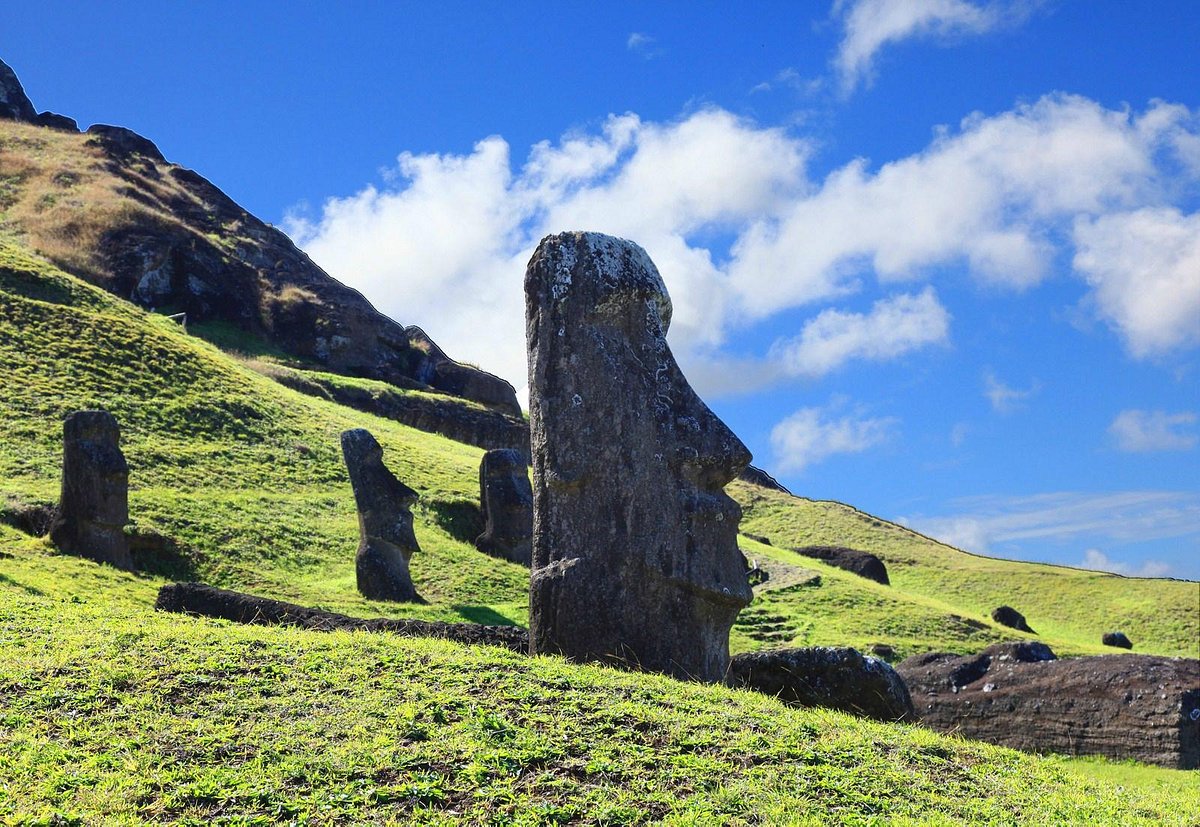
Photo: TripAdvisor
The park covers most of Easter Island and preserves hundreds of moai statues carved from volcanic stone by the Rapa Nui people between the 13th and 16th centuries. These statues vary in size and form and typically face inland, where they are believed to represent revered ancestors watching over and protecting their communities.
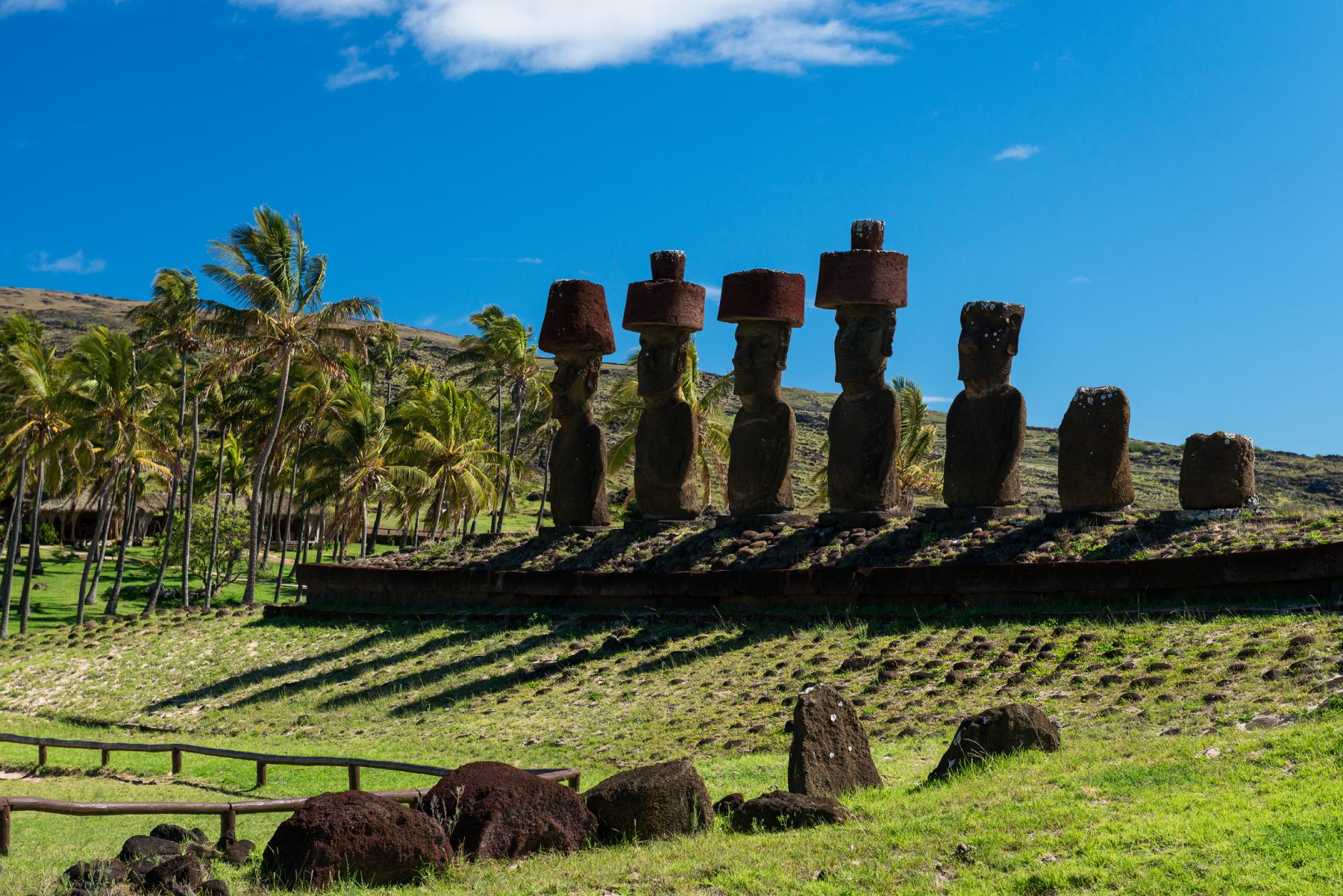
Photo: Chile Travel.com
The methods used to carve, transport, and erect the moai remain subjects of ongoing research and debate. Archaeological sites such as the Rano Raraku quarry, ceremonial stone platforms known as ahu, and ancient village remains reflect the advanced social organization, technical skills, and spiritual beliefs of the Rapa Nui civilization.
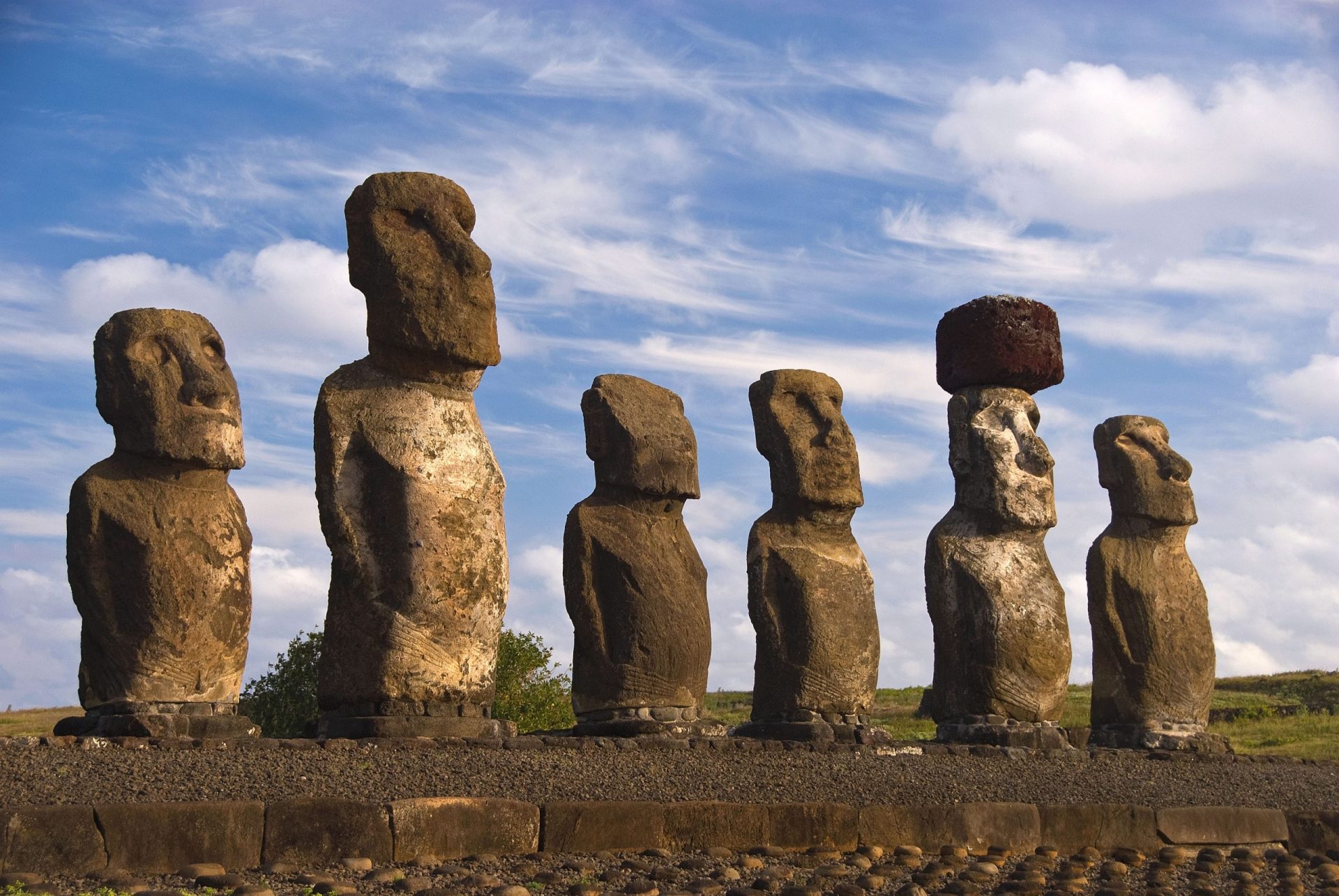
Photo: Sapiens.org
In addition to its archaeological significance, Rapa Nui National Park features dramatic natural landscapes, including volcanic craters, coastal cliffs, and native vegetation. The close relationship between cultural heritage and natural scenery gives the park a unique atmosphere that is both mysterious and sacred.
In 1995, Rapa Nui National Park was inscribed on the UNESCO World Heritage List. Today, it stands as a remarkable destination and a testament to human creativity, spiritual life, and historical resilience on a remote island in the Pacific.
NTT