Do Temple – The Cradle of the Ly Dynasty and the Sacred Land of Kinh Bac
Do Temple, also known as the Temple of the Eight Ly Emperors, is located in Dinh Bang Ward, Tu Son City, Bac Ninh Province. It stands on the ancestral land of the Ly Dynasty, which marked the beginning of a long and prosperous era in Vietnamese feudal history. The temple is dedicated to the worship of eight Ly emperors, from Ly Thai To to Ly Hue Tong, representing more than two centuries of national development under the Dai Viet state.
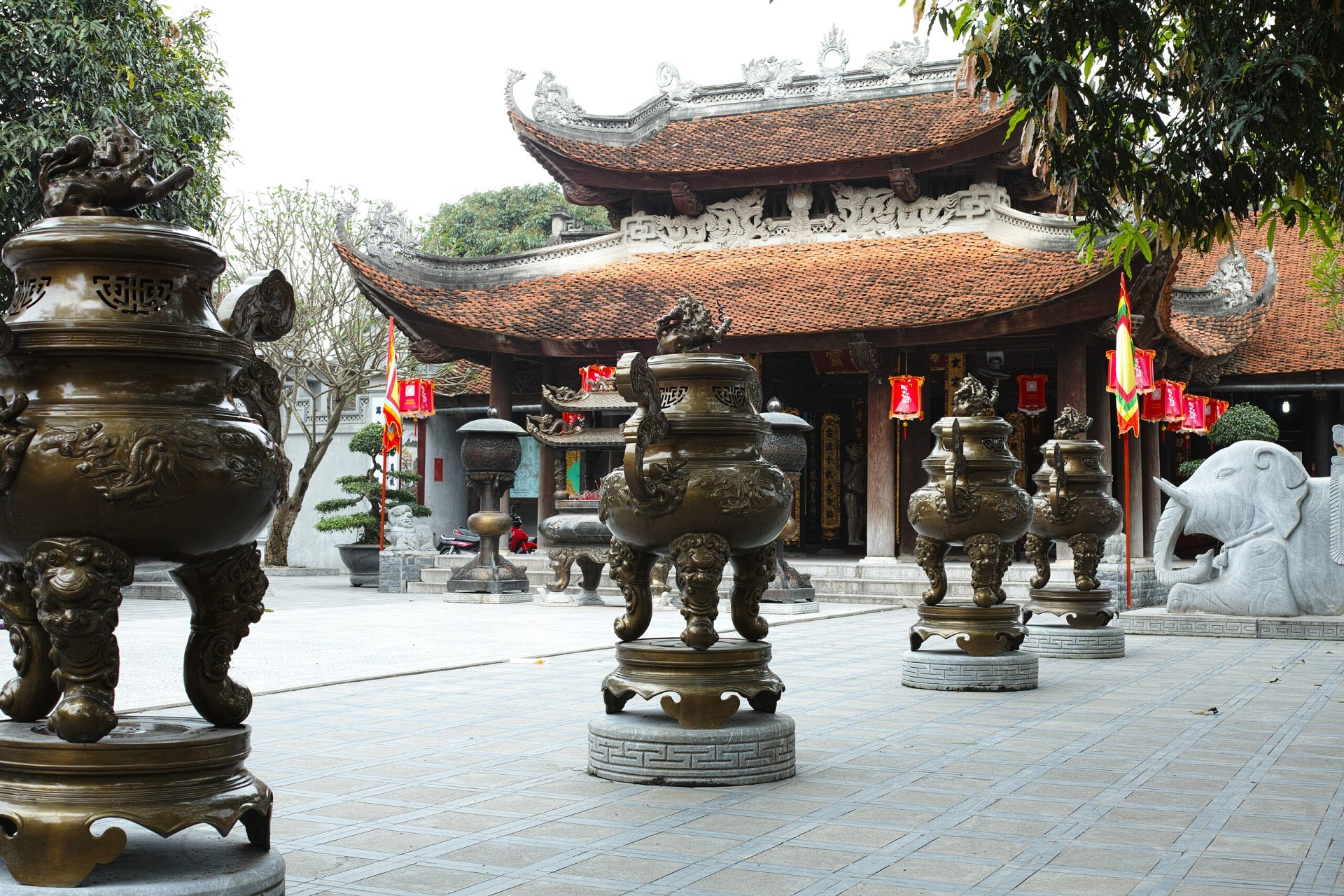
The Main Sanctuary of Do Temple – Photo: Wikipedia
Dinh Bang was part of the ancient Co Phap region, long regarded as a land of exceptional spiritual and cultural significance. It was here that Ly Cong Uan was born and raised, before ascending the throne and issuing the historic Edict on the Transfer of the Capital in 1010. This decision established Thang Long, present-day Hanoi, as the political and cultural center of the nation. As a result, Do Temple is not merely a historical monument but a powerful symbol of national origins and statecraft grounded in humanity and moral governance.
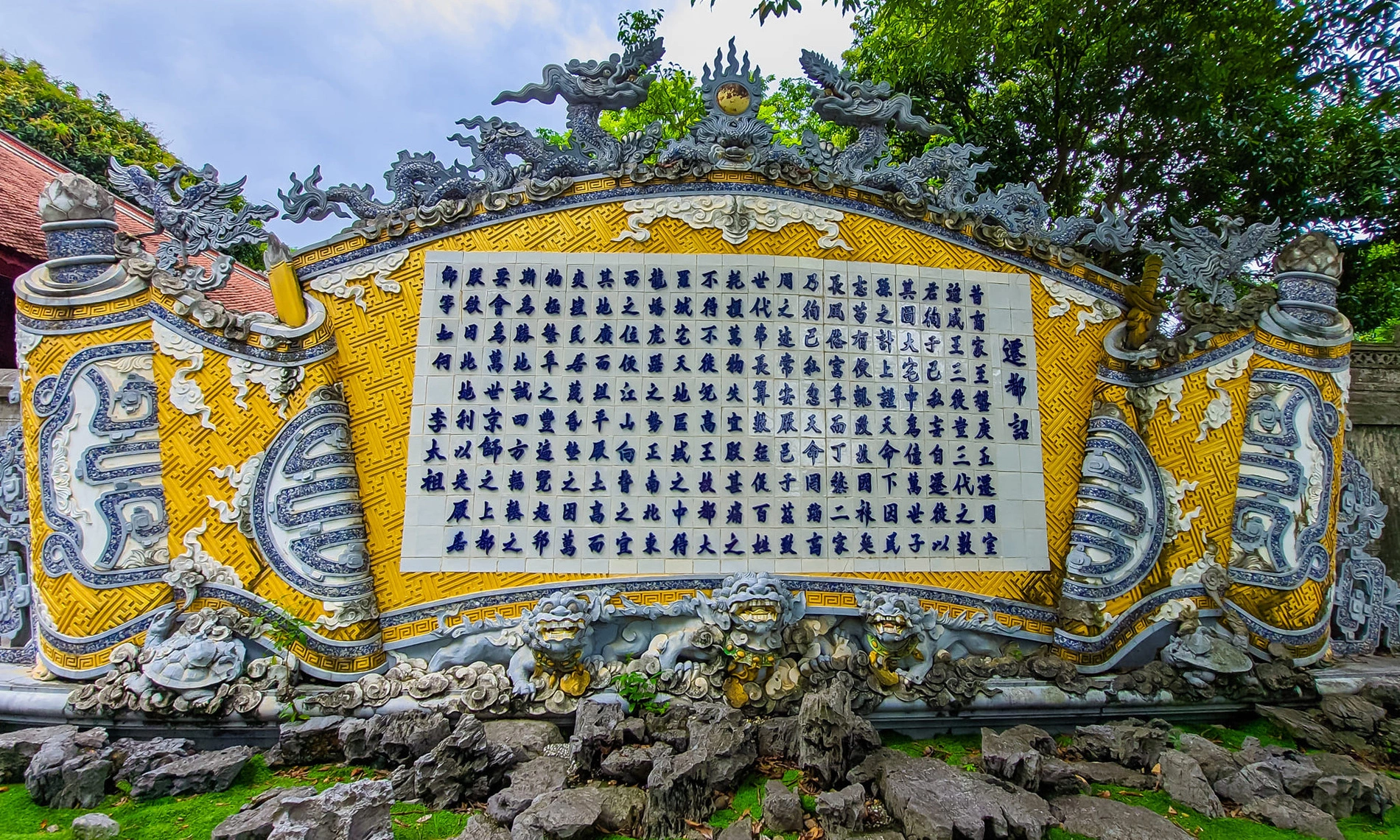
“The Edict on the Transfer of the Capital” by King Ly Thai To – Photo: VnExpress
The architecture of Do Temple reflects traditional Northern Vietnamese design, arranged symmetrically along a sacred central axis and facing south. The complex is set within a spacious landscape featuring a crescent-shaped lake, ancient trees, and open courtyards, creating an atmosphere that is both solemn and serene. Key structures include the ceremonial gate, front hall, central shrine, and main sanctuary, all adorned with refined carvings, especially the distinctive Ly-style dragon motifs known for their elegance and graceful movement.
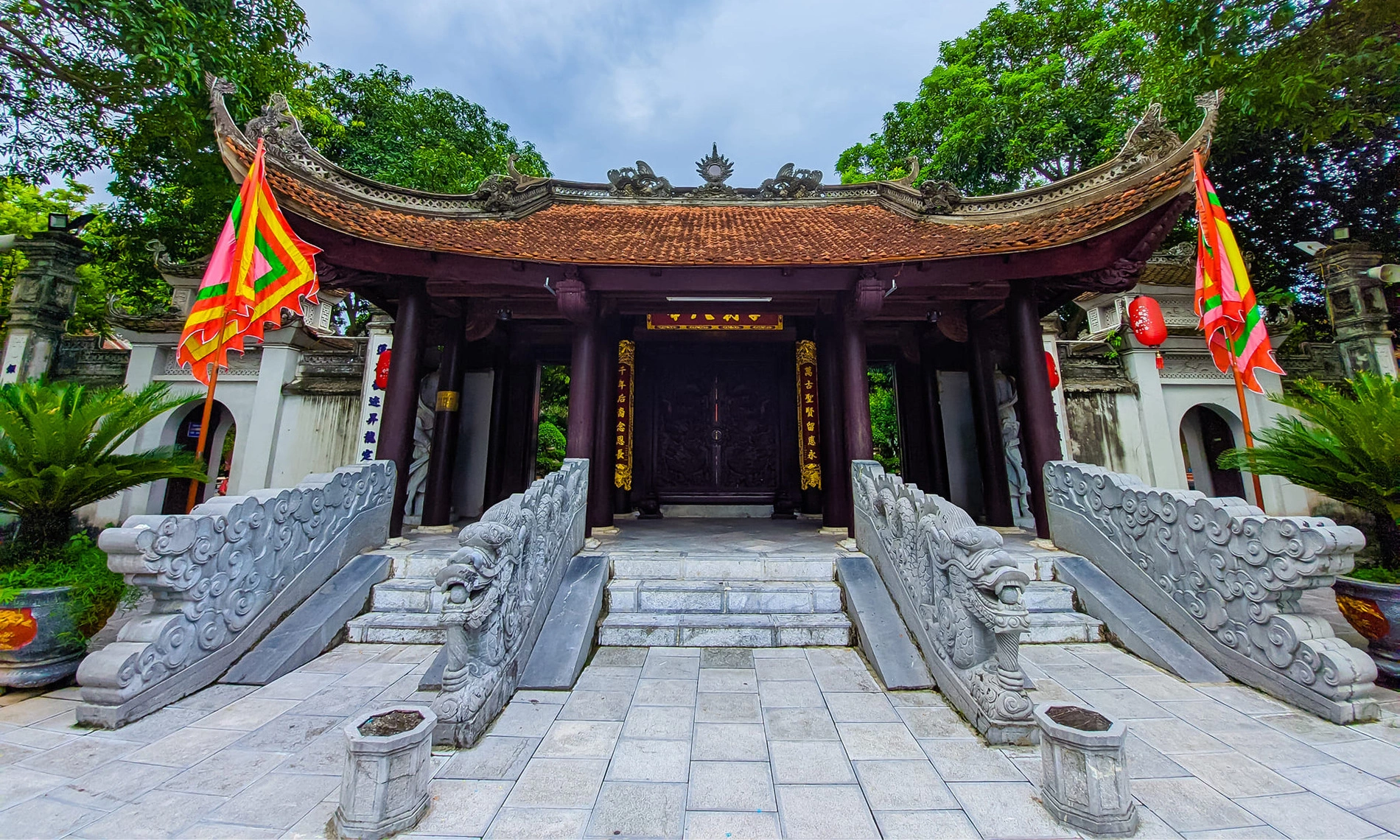
The architecture of Do Temple reflects traditional Northern Vietnamese style – Photo: VnExpress
Throughout history, the temple suffered damage from wars and natural disasters but has been carefully restored based on historical records and traditional architectural principles. Today, Do Temple serves not only as a sacred place of worship but also as a living historical space, preserving valuable artifacts such as royal thrones, ancestral tablets, imperial edicts, and ancient engravings.
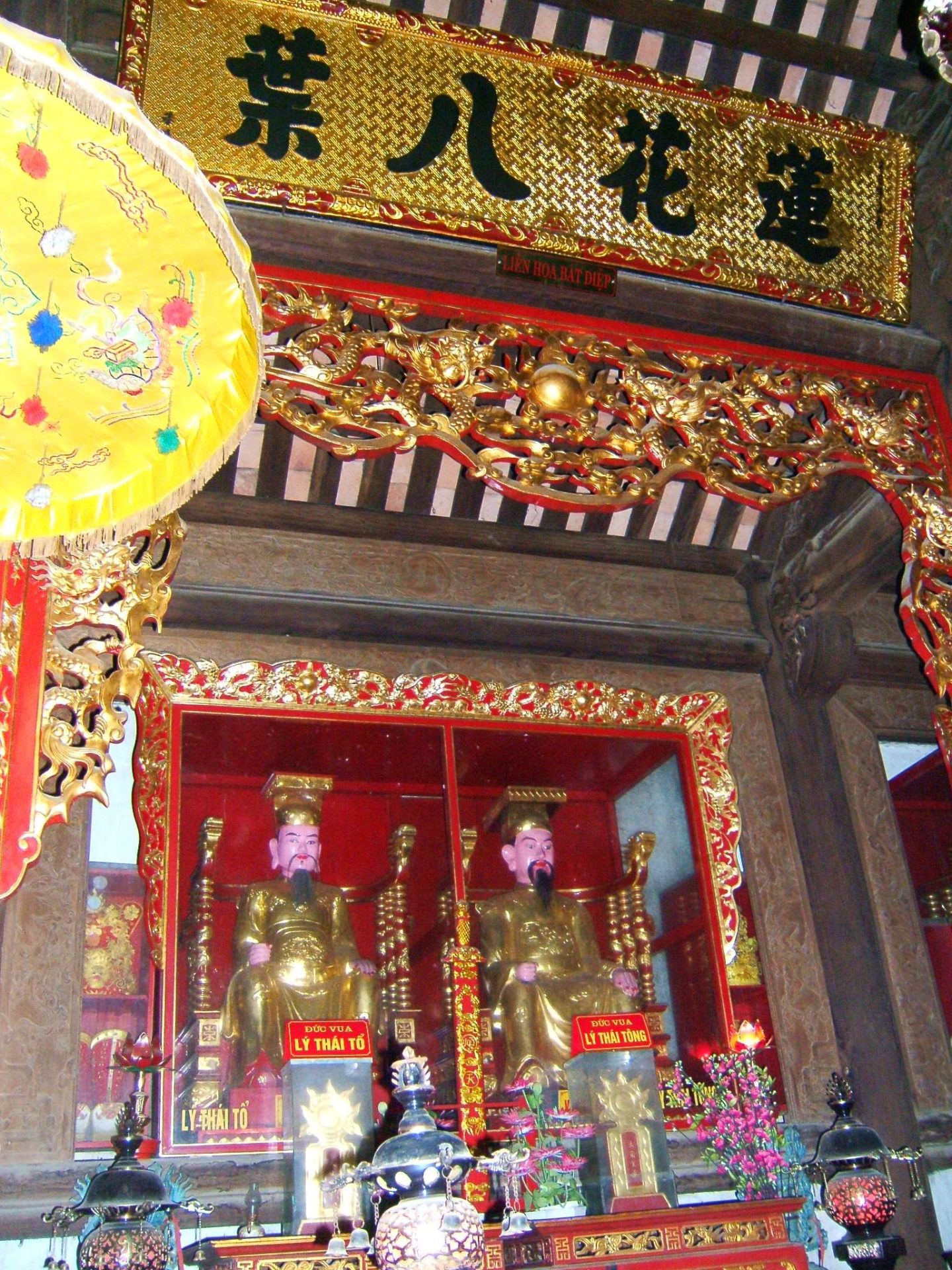
Statues of Kings Ly Thai To and Ly Thai Tong at Do Temple – Photo: Wikipedia
The Do Temple Festival is held annually on the 15th day of the third lunar month. It is a significant cultural event that honors the contributions of the Ly emperors and celebrates the values of learning, unity, and national pride deeply rooted in the Kinh Bac region. The solemn rituals, combined with traditional folk activities, create an atmosphere that is both reverent and vibrant.
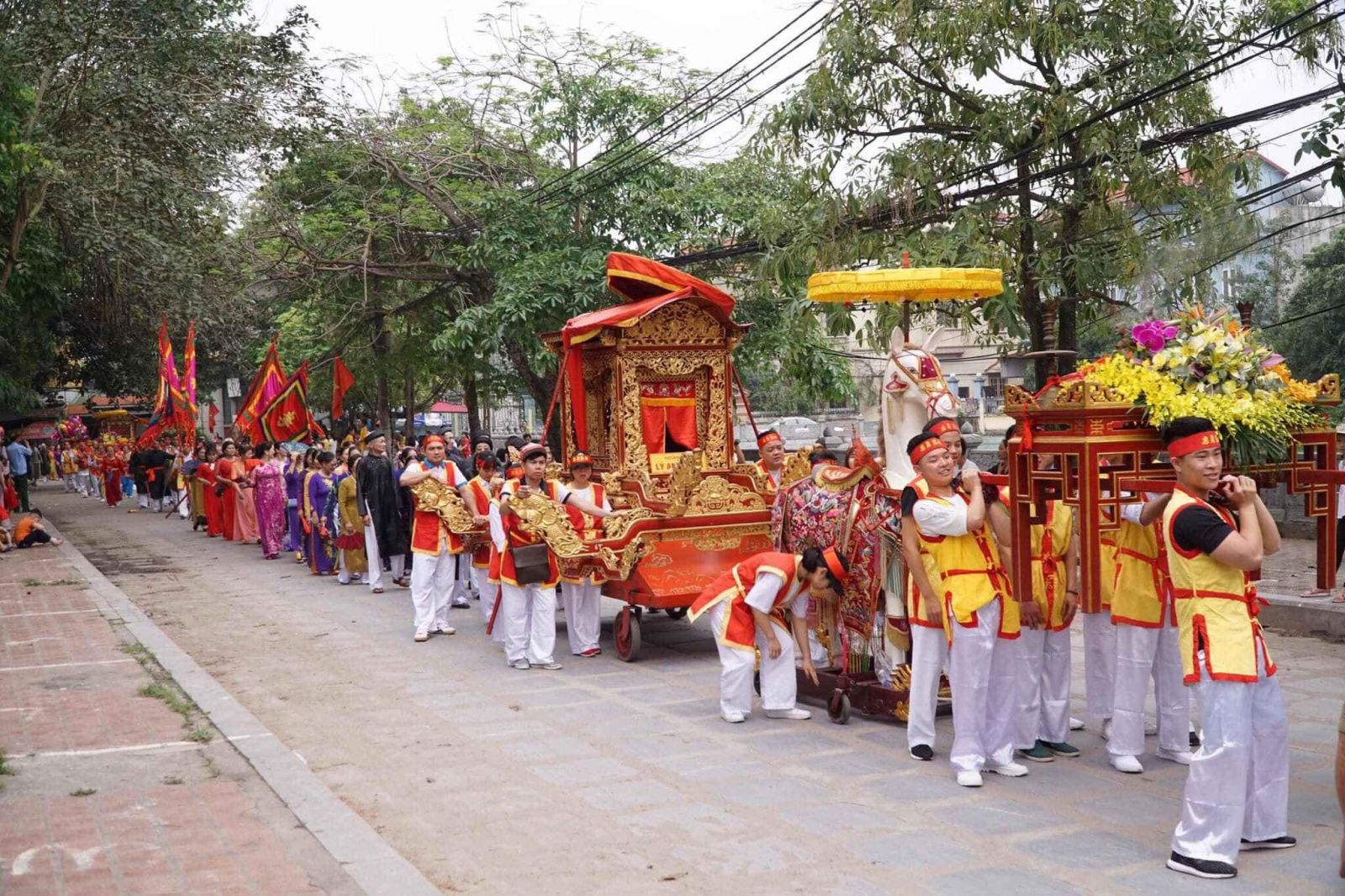
The Do Temple Festival is held annually on the 15th day of the third lunar month – Photo: Internet
For the people of Dinh Bang, Do Temple is far more than a historical site. It is a spiritual anchor, a repository of collective memory, and a profound source of pride in their homeland. Standing quietly through centuries of change, the temple continues to embody the enduring values of origin, morality, and Vietnamese cultural identity.
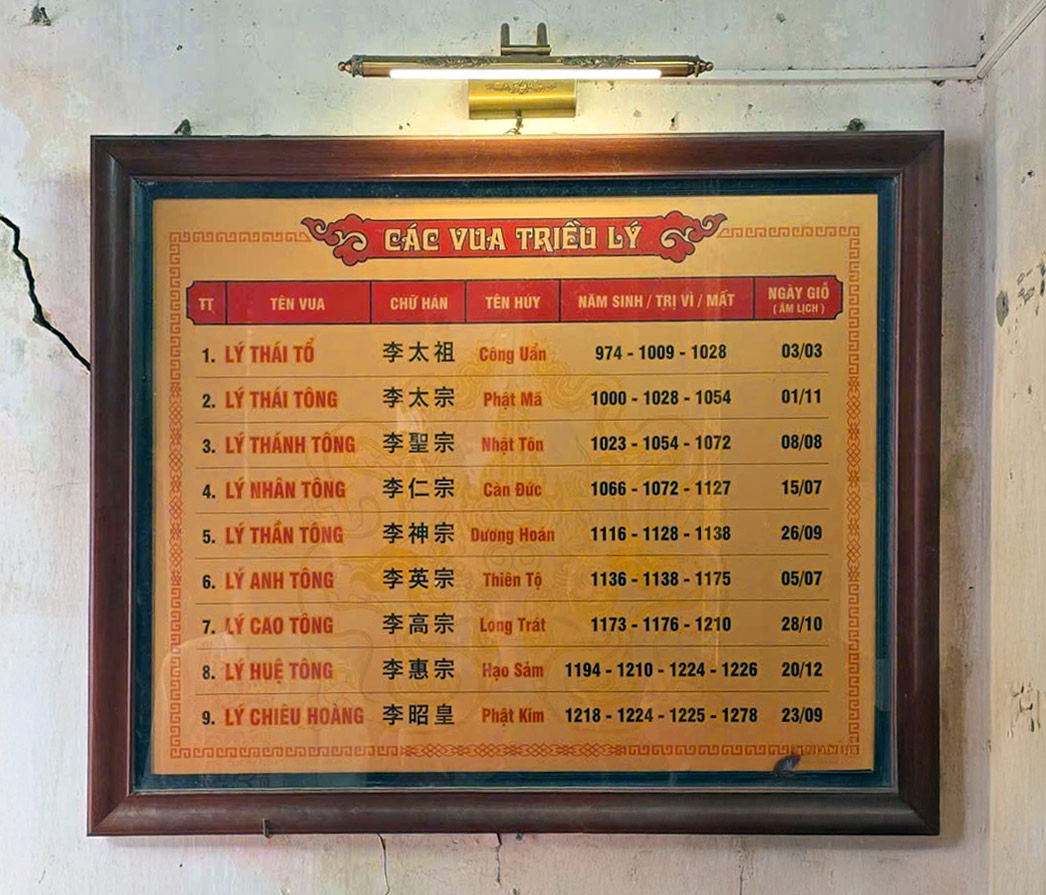
The Ly Dynasty emperors worshiped at Do Temple – Photo: Nguyen Tien Trung
Today, Do Temple remains one of Bac Ninh’s most important cultural and historical landmarks, playing a vital role in preserving national heritage and educating future generations about Vietnam’s foundational history.
Nguyen Tien Trung