
“Thang Long Imperial Capital” – When a thousand-year heritage is reawakened through 3D Mapping and a digital experience
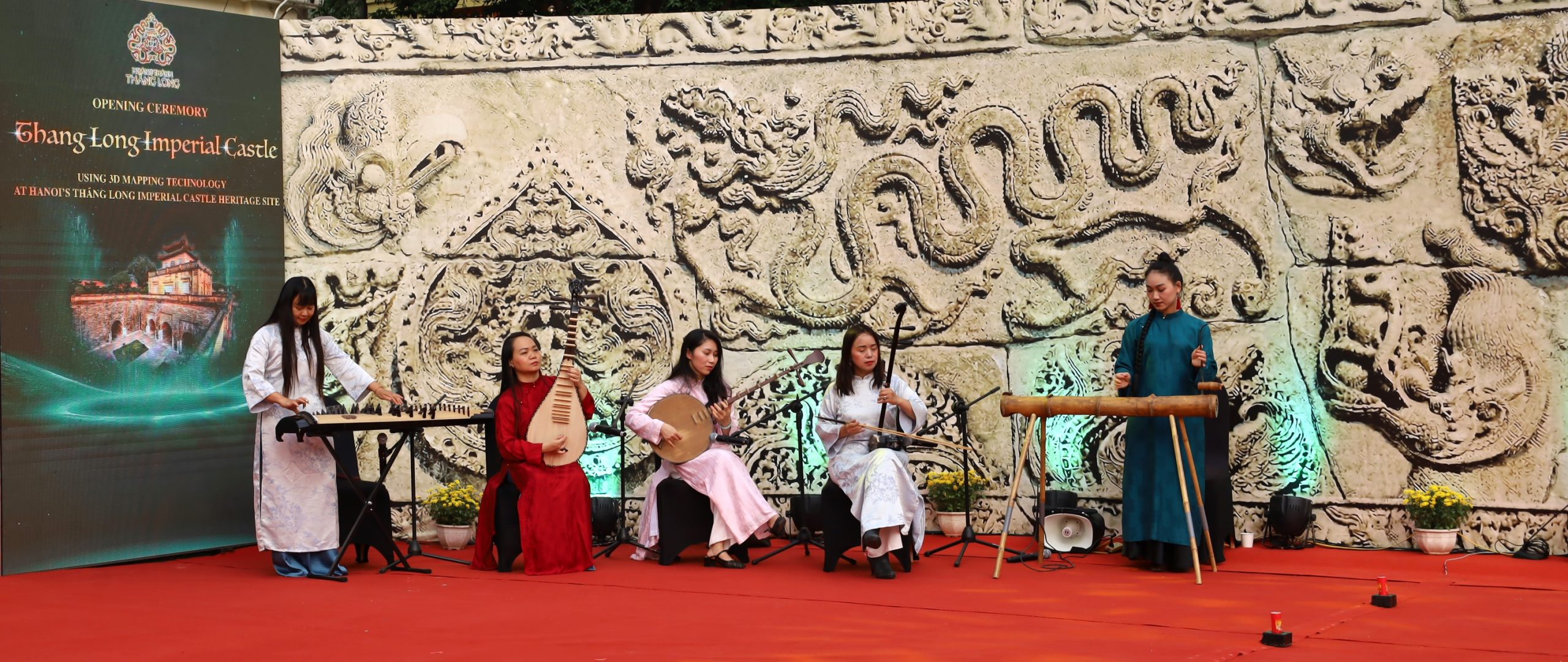
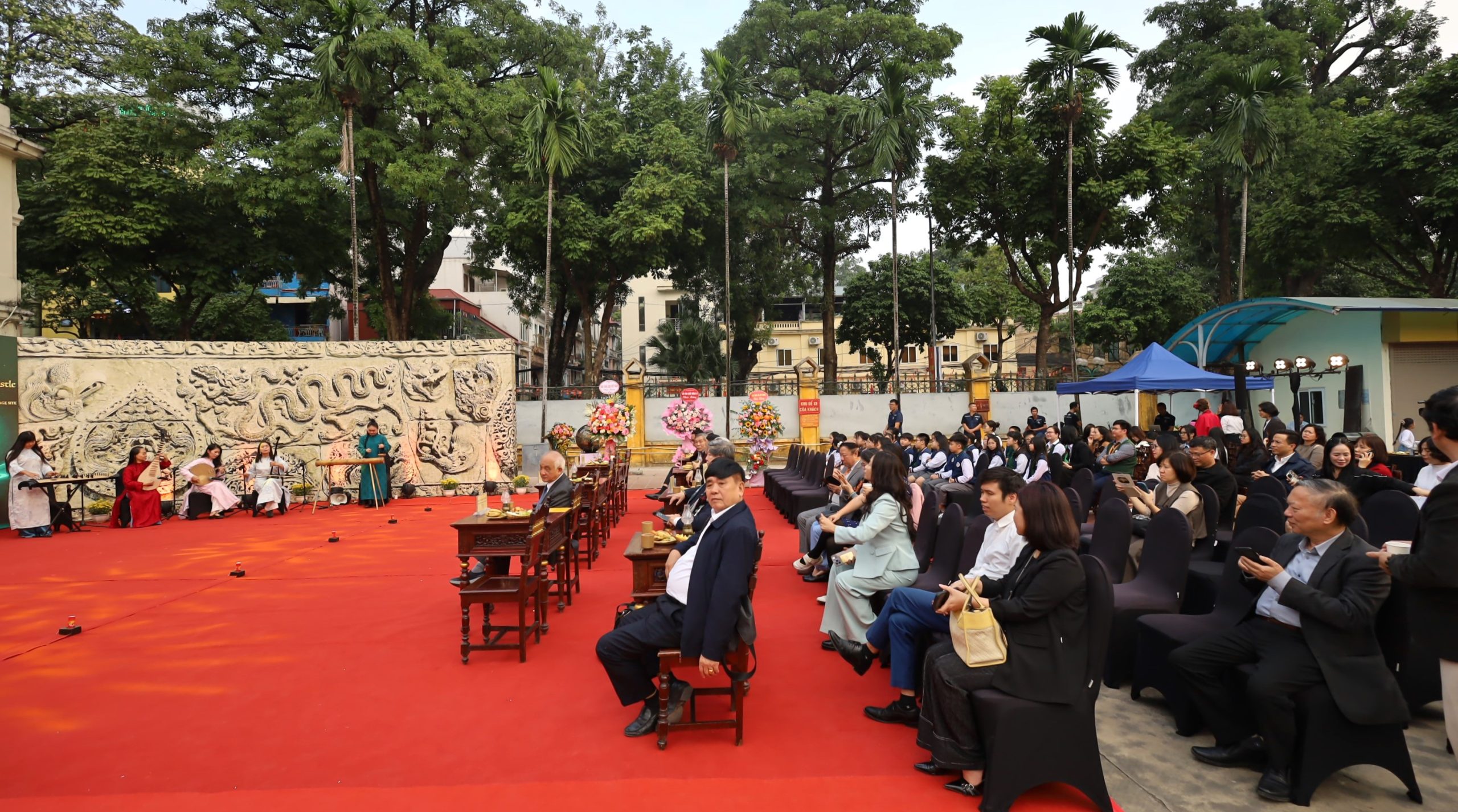
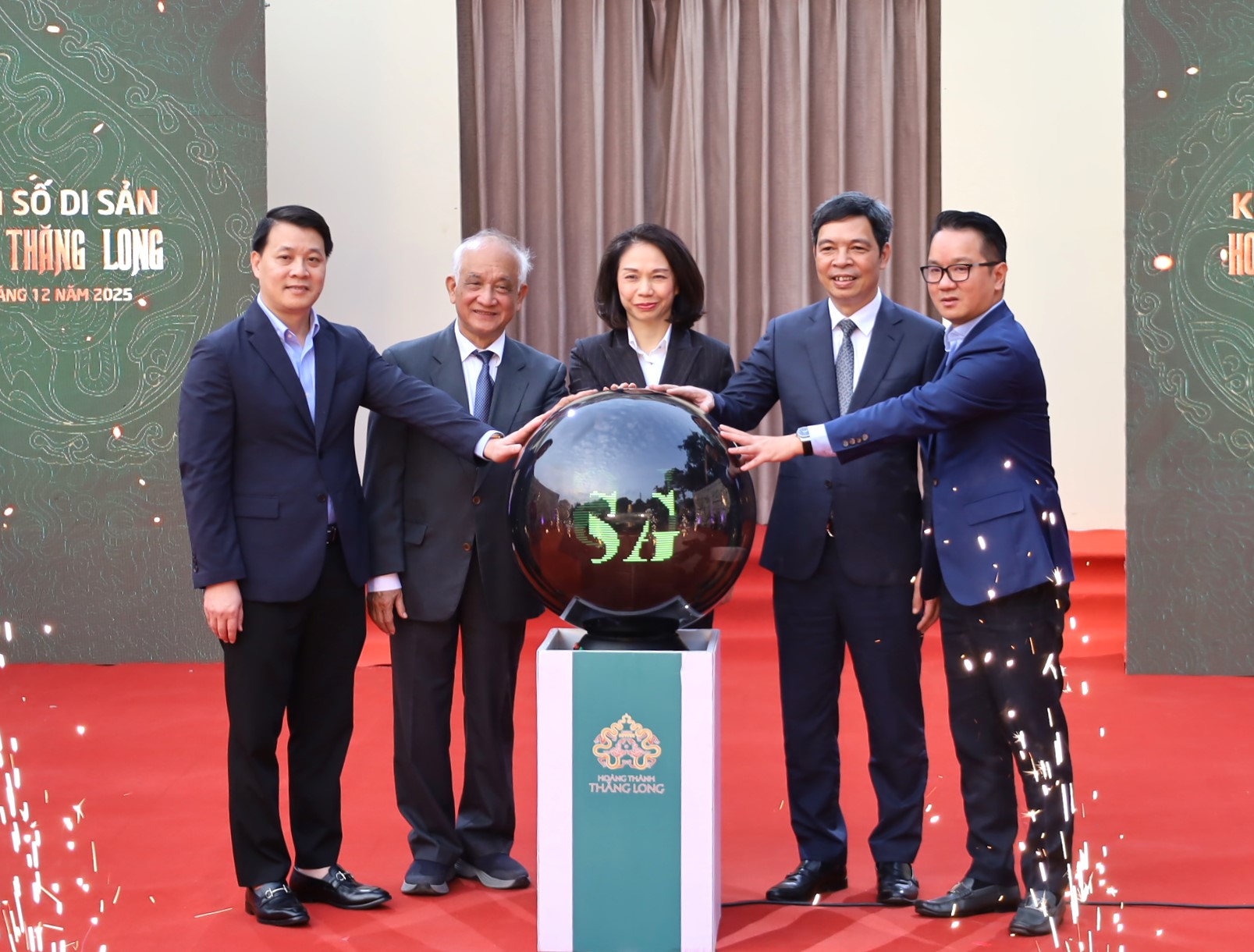
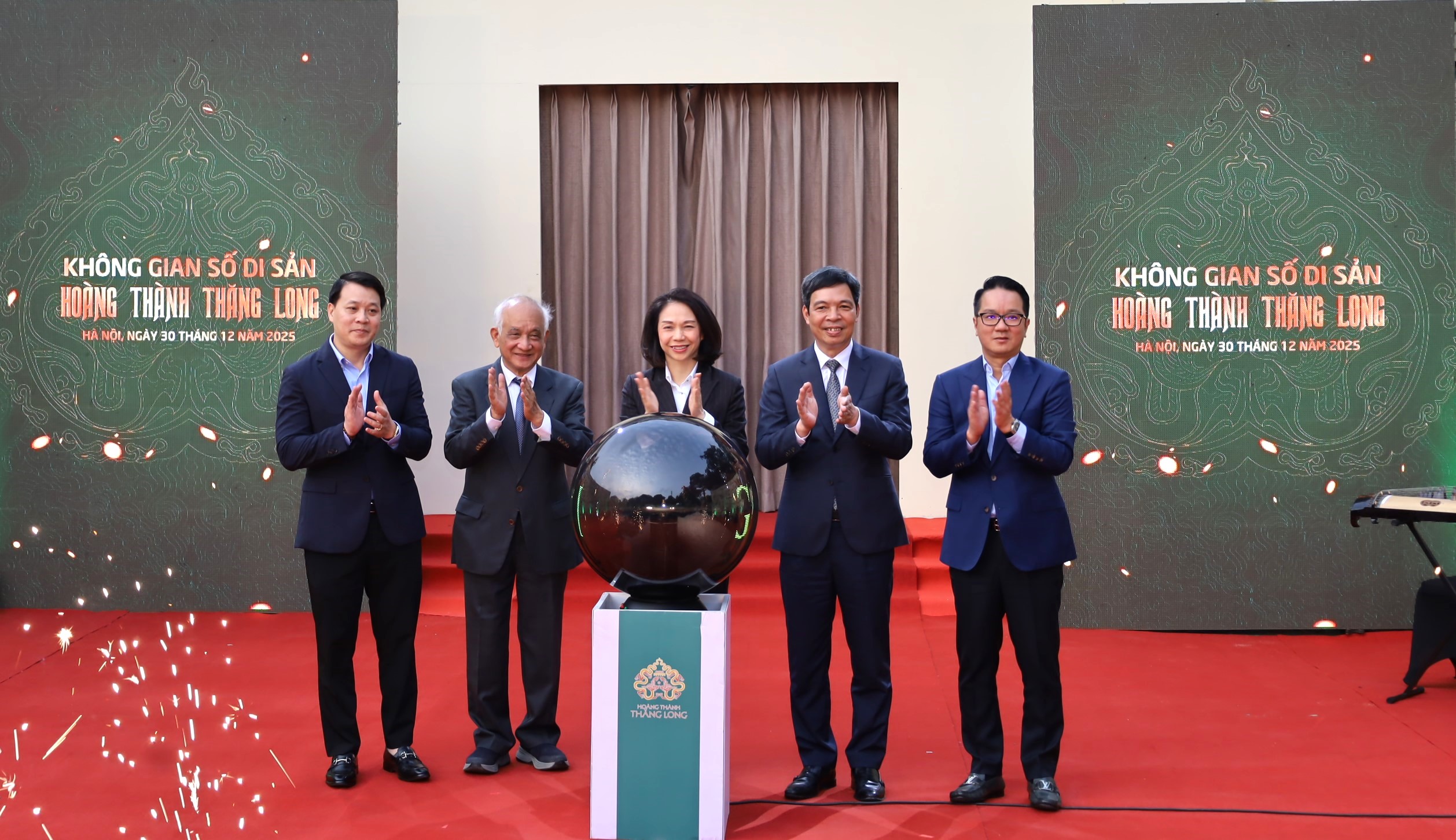
On the afternoon of 30 December 2025, at the World Heritage Site of the Imperial Citadel of Thang Long in Hanoi, the Thang Long – Hanoi Heritage Conservation Centre held the opening ceremony and launched the performance “Thang Long Imperial Capital”, using 3D mapping technology combined with a digital spatial experience. The event not only marked a further step in efforts to promote and communicate the values of the heritage site, but also clearly reflected a modern approach that treats technology as a tool for telling history in a way that is closer to contemporary audiences.
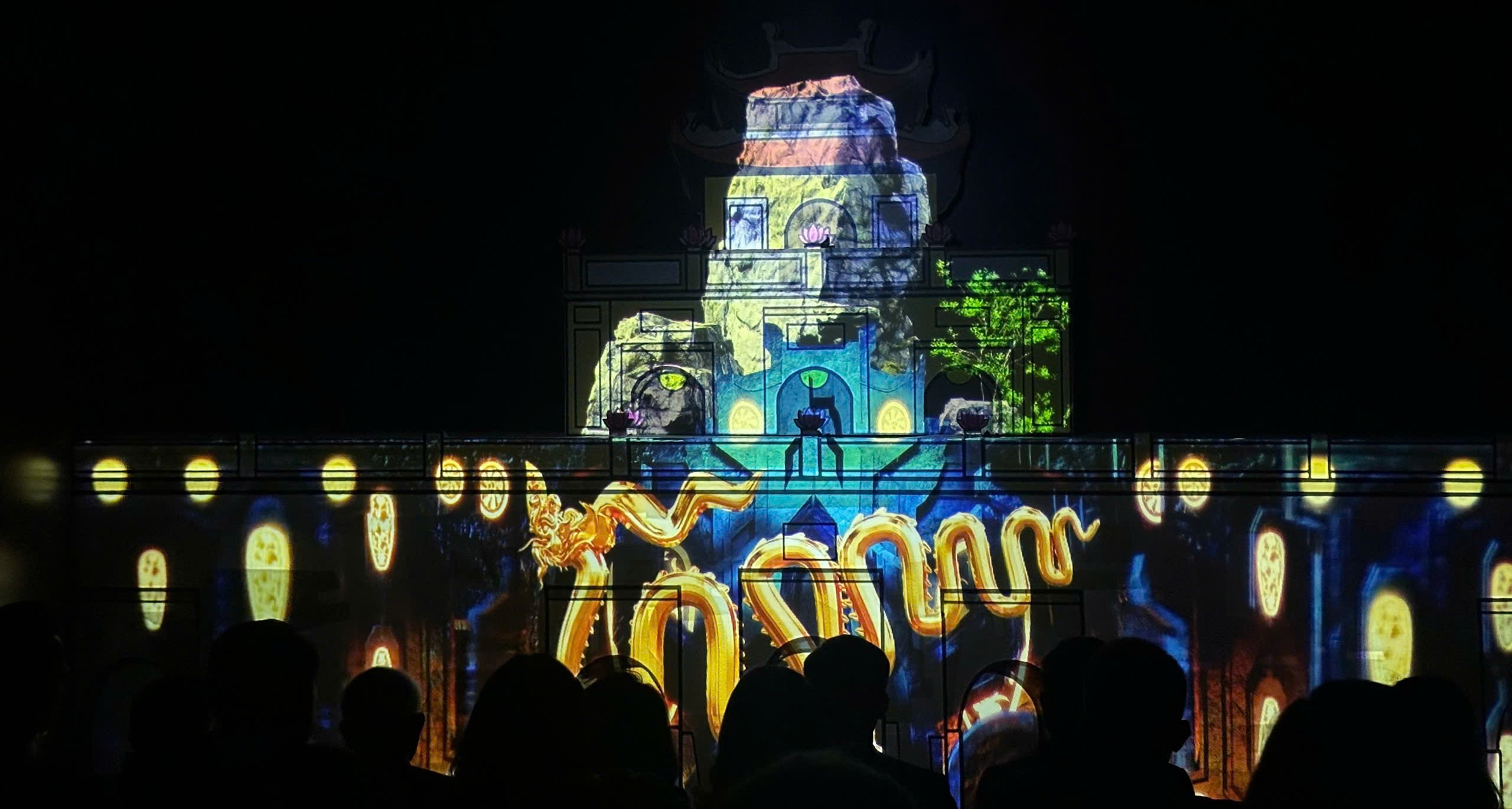
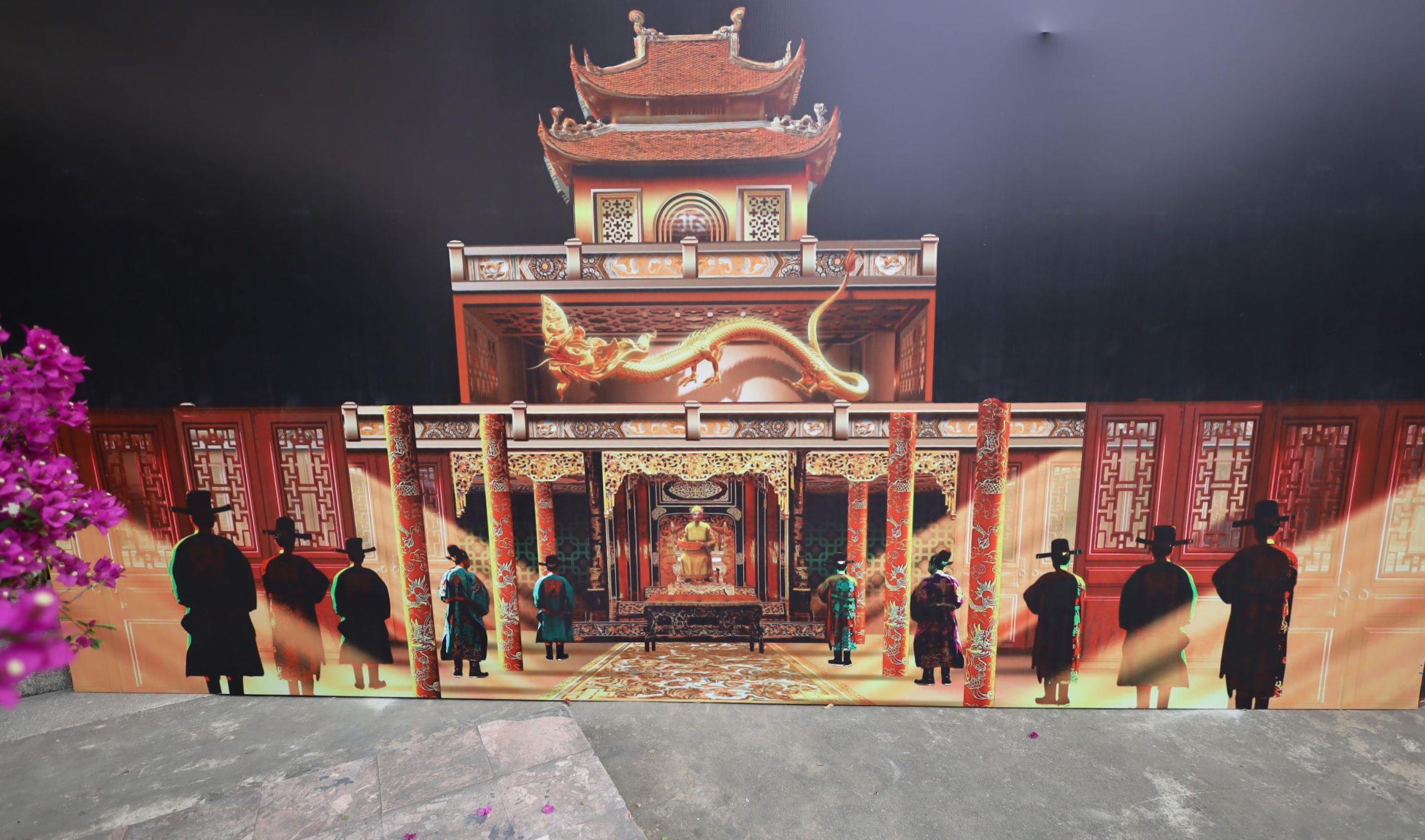
The Imperial Citadel of Thang Long, a centre of power over more than a millennium in the history of the Vietnamese nation, has long been regarded as a symbol of Vietnamese cultural, political and military depth. However, the greatest challenge for the site, as many researchers have stated candidly, is how to ensure that “history does not lie still in a glass case”, but becomes genuinely vivid in the public’s understanding, particularly among younger generations. The performance “Thang Long Imperial Capital” was developed in that context. Without chasing the mere glamour of technology, the programme is built on a foundation of serious scholarly research, combined with modern 3D mapping projection solutions and an interactive digital experiential space, in order to recreate the historical layers of the imperial capital of Thang Long across successive dynasties. A notable highlight of the event is the 3D mapping presentation staged on the basis of representative architectural remains within the heritage site itself. Through a carefully produced language of light, image and sound, “Thang Long Imperial Capital” leads viewers back through time, from the moment Ly Thai To relocated the capital in 1010, through the Ly, Tran and Le dynasties, and onwards to the historical shifts of the late pre-modern and modern periods. Without unnecessary detail, the presentation selects representative episodes: the formation of the capital, its role as a political and military centre, the spirit of national independence, and the enduring vitality of Thang Long – Hanoi. The storytelling is coherent and restrained, with the tone expected of an imperial heritage site: dignified and reflective, yet not dry or rigid. Notably, the graphic and visual elements are developed from archaeological materials, historical records, and officially recognised research findings. This is an important strength, demonstrating respect for history, which is essential in high-technology cultural productions.
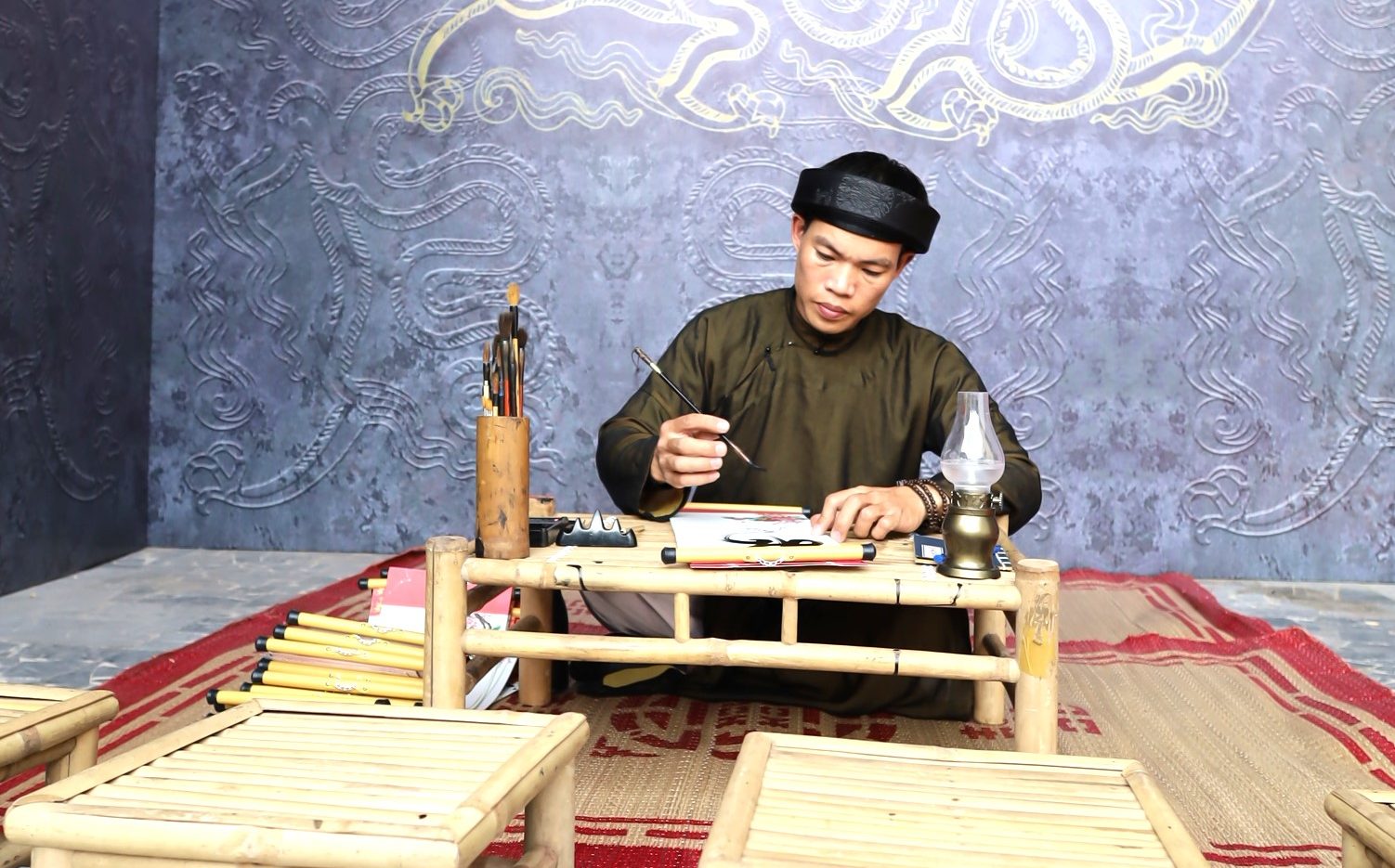
Alongside the 3D mapping performance, the digital experiential space is designed as an inseparable component of “Thang Long Imperial Capital”. Here, the public can interact with digital models, 3D maps, archaeological data and multimedia interpretative content. Instead of a one-way approach, visitors are able to explore actively: zooming in and out, rotating spatial models, selecting different time points and layers of information. This approach is particularly appropriate for school pupils, university students and international visitors, audiences who benefit from a method of engagement that is visually clear and accessible while still ensuring depth of knowledge. It can be said that the digital experiential space helps to narrow the distance between heritage and the public, turning a visit from “viewing” into “experiencing”, and from passive reception into active exploration.
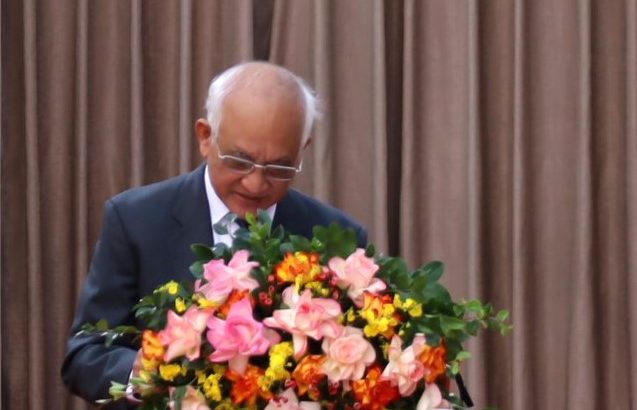
Speaking at the opening ceremony, Mr Nguyen Thanh Quang, Director of the Thang Long – Hanoi Heritage Conservation Centre, emphasised: “The launch of the performance ‘Thang Long Imperial Capital’ is a concrete step in the strategy to promote the values of the Imperial Citadel of Thang Long – Hanoi, linking conservation with sustainable development, with heritage as the foundation, technology as the means, and the public at the centre”. This view points to an approach that is measured and thoughtful. In a context where many places treat technology as a kind of “ornament”, the Imperial Citadel of Thang Long has chosen a careful direction: technology serves historical storytelling rather than overriding it. The launch of “Thang Long Imperial Capital” also opens new expectations for Hanoi’s cultural tourism. Night-time performances and digital experiences, if organised in a systematic manner and maintained consistently, can help to extend visitors’ length of stay while improving the quality of experience at heritage sites. This is a clear illustration that heritage is not “out of date” when approached in the right way. Thang Long’s thousand-year history can speak to the present, provided that those working in culture maintain respect for the past and professional confidence in their craft.
The opening ceremony and the launch of the performance “Thang Long Imperial Capital” was a milestone of a foundational kind. It shows a positive shift in thinking about conservation and the promotion of heritage values: from protection to sharing, from display to storytelling, and from physical space to digital space. In the effort to safeguard and disseminate the values of the Imperial Citadel of Thang Long, a heritage of both the nation and humanity, steps of this kind are necessary, even indispensable. More than anything, they offer a way for history to continue to be lived, understood and respected in contemporary life.
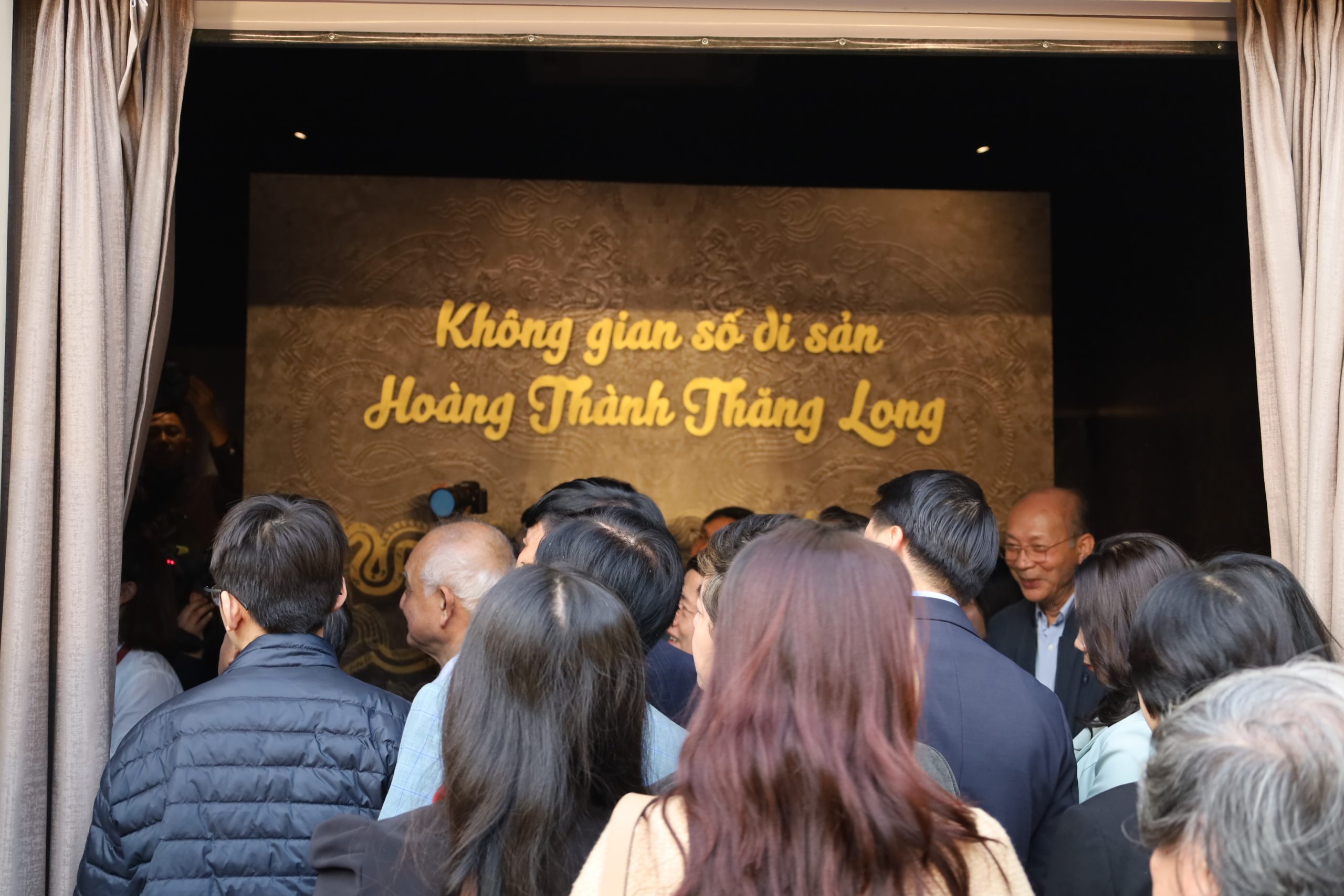
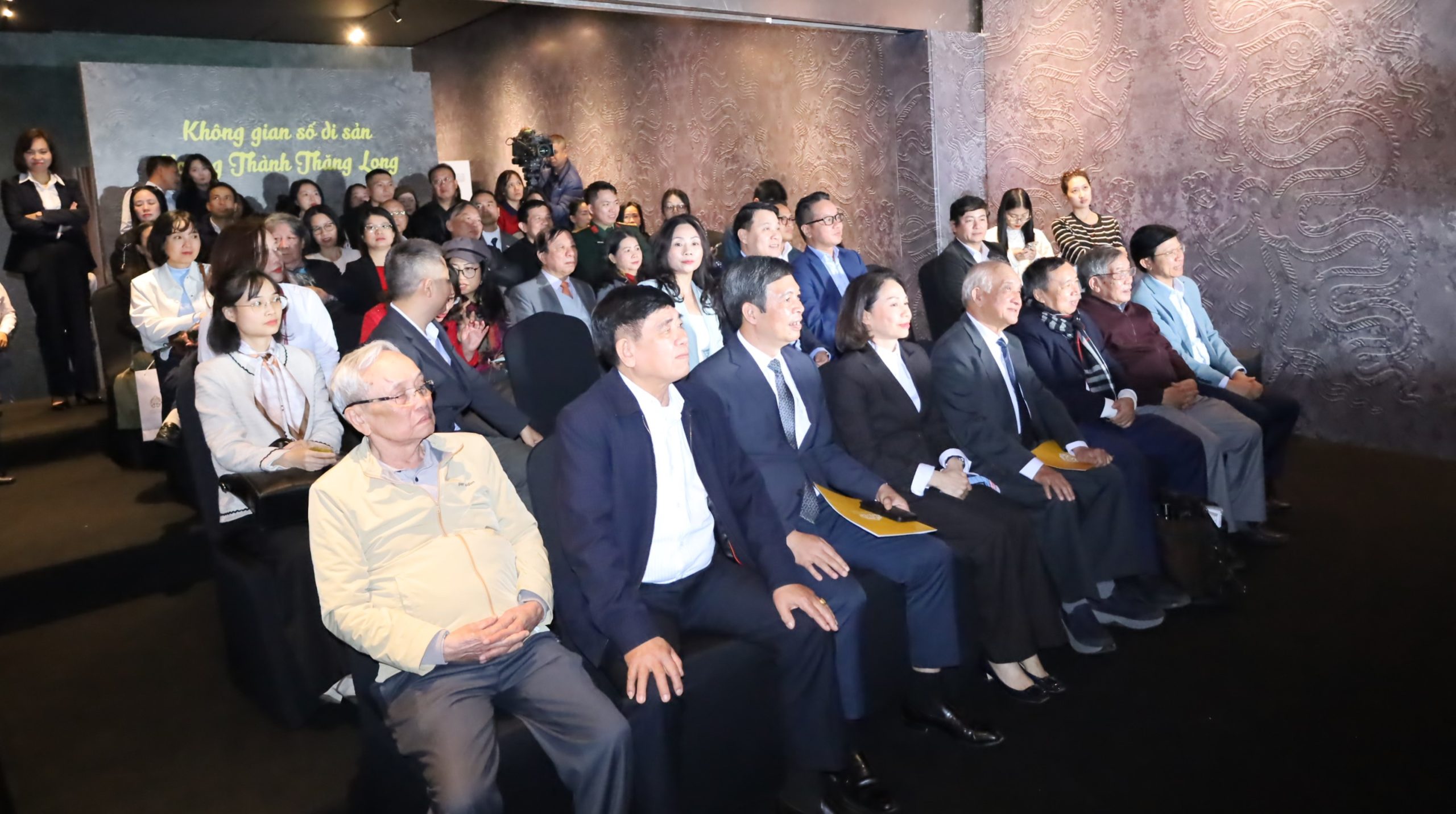
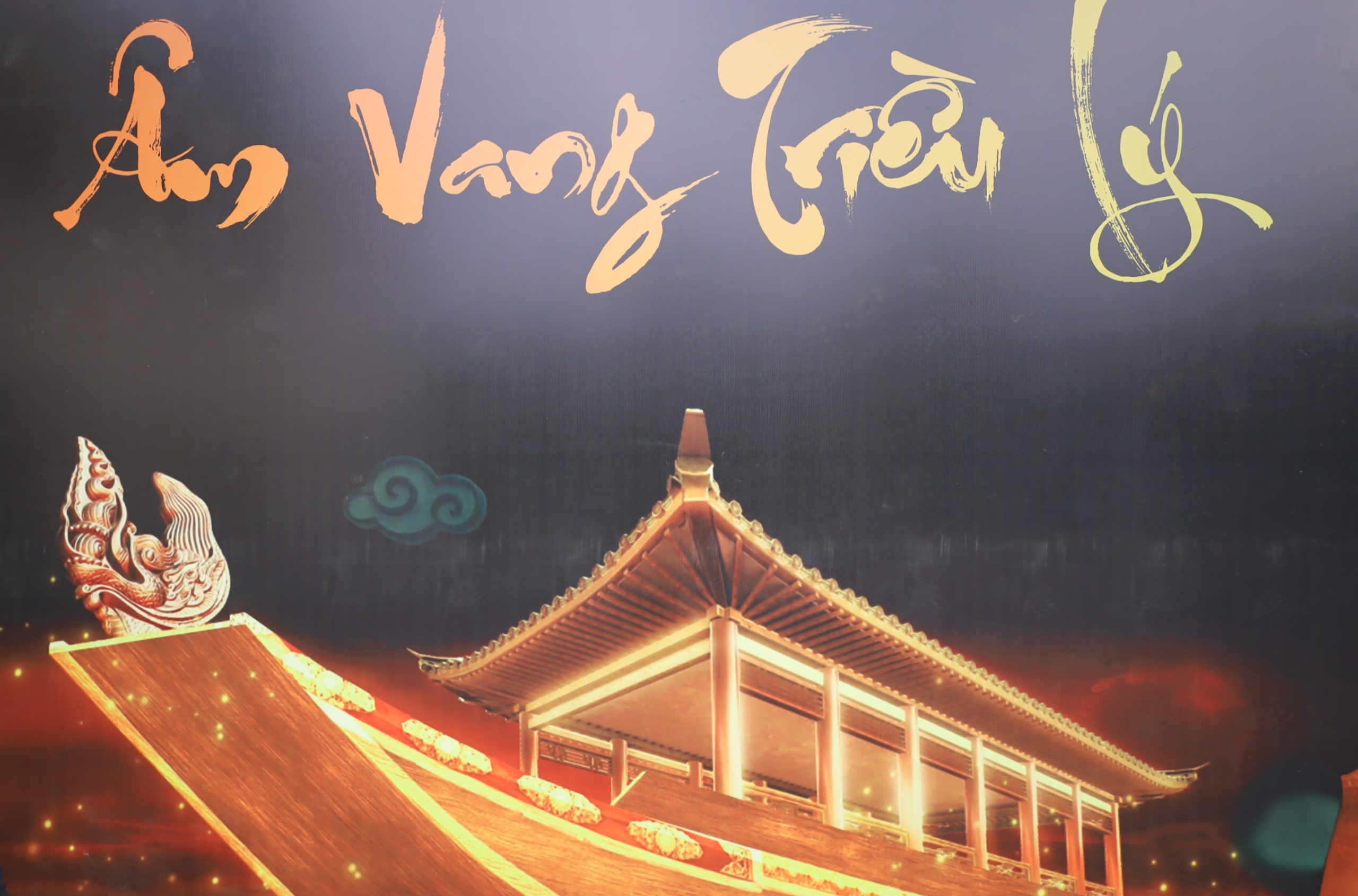
Selected images from the opening ceremony launching the performance “Thang Long Imperial Capital” and the digital spatial experience:


The editorial board