Angkor Wat – An Architectural Wonder and the Soul of the Khmer Civilization
Angkor Wat is located in Siem Reap Province, Cambodia, and is the largest religious monument in the world. It stands as a powerful national symbol of Cambodia and represents the height of religious devotion, artistic achievement, and political power of the ancient Khmer civilization.
The temple was constructed in the early 12th century during the reign of King Suryavarman II and was originally dedicated to the Hindu god Vishnu. Over time, Angkor Wat gradually became a Buddhist site and has remained an active religious center to this day.
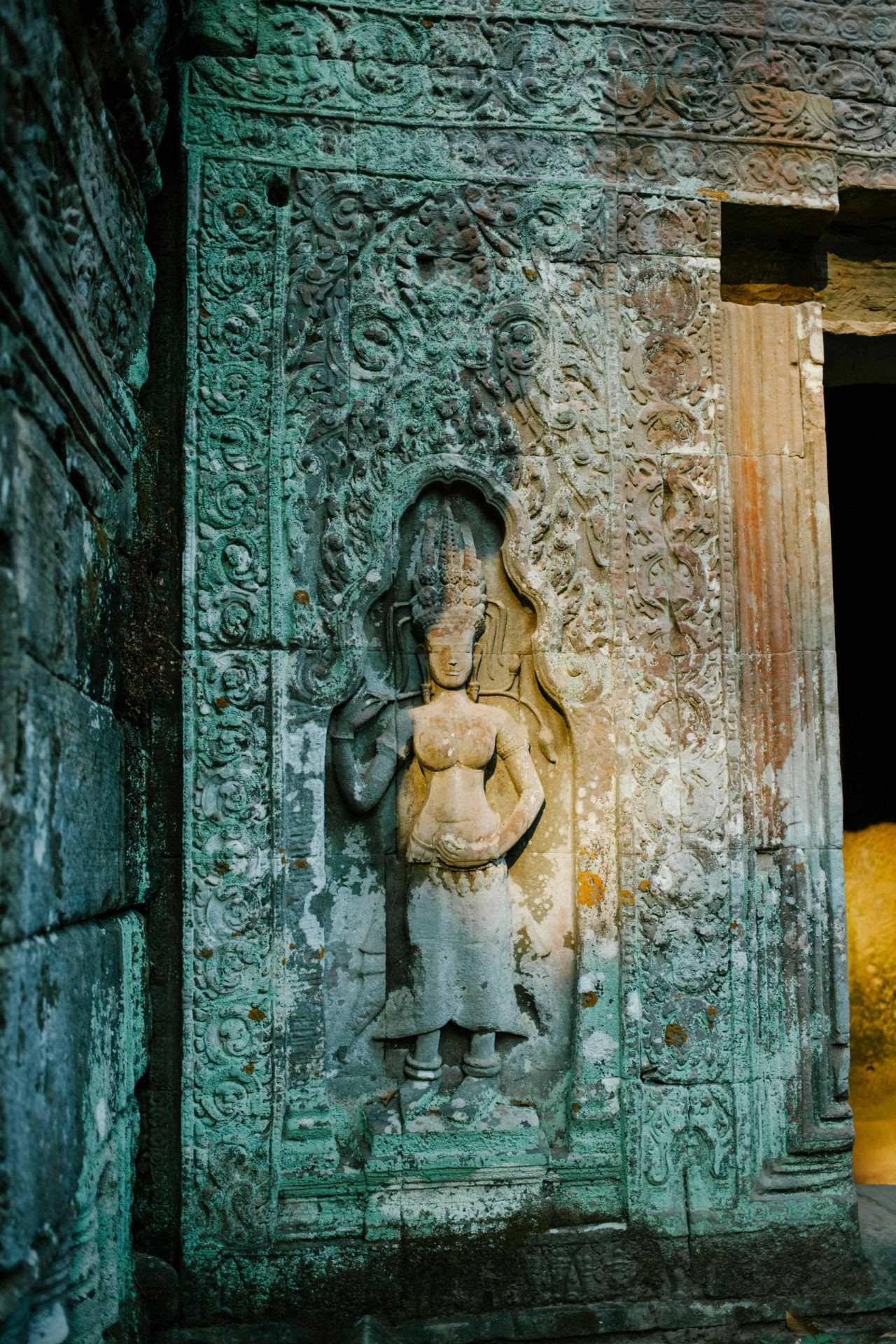
Photo: Pexels/Julia Volk
Angkor Wat is renowned for its perfectly symmetrical layout, expansive surrounding moat, and central towers that rise to represent Mount Meru, the sacred mountain in Hindu cosmology. Its long galleries are adorned with intricate bas-reliefs depicting Hindu epics, mythological scenes, and royal processions.
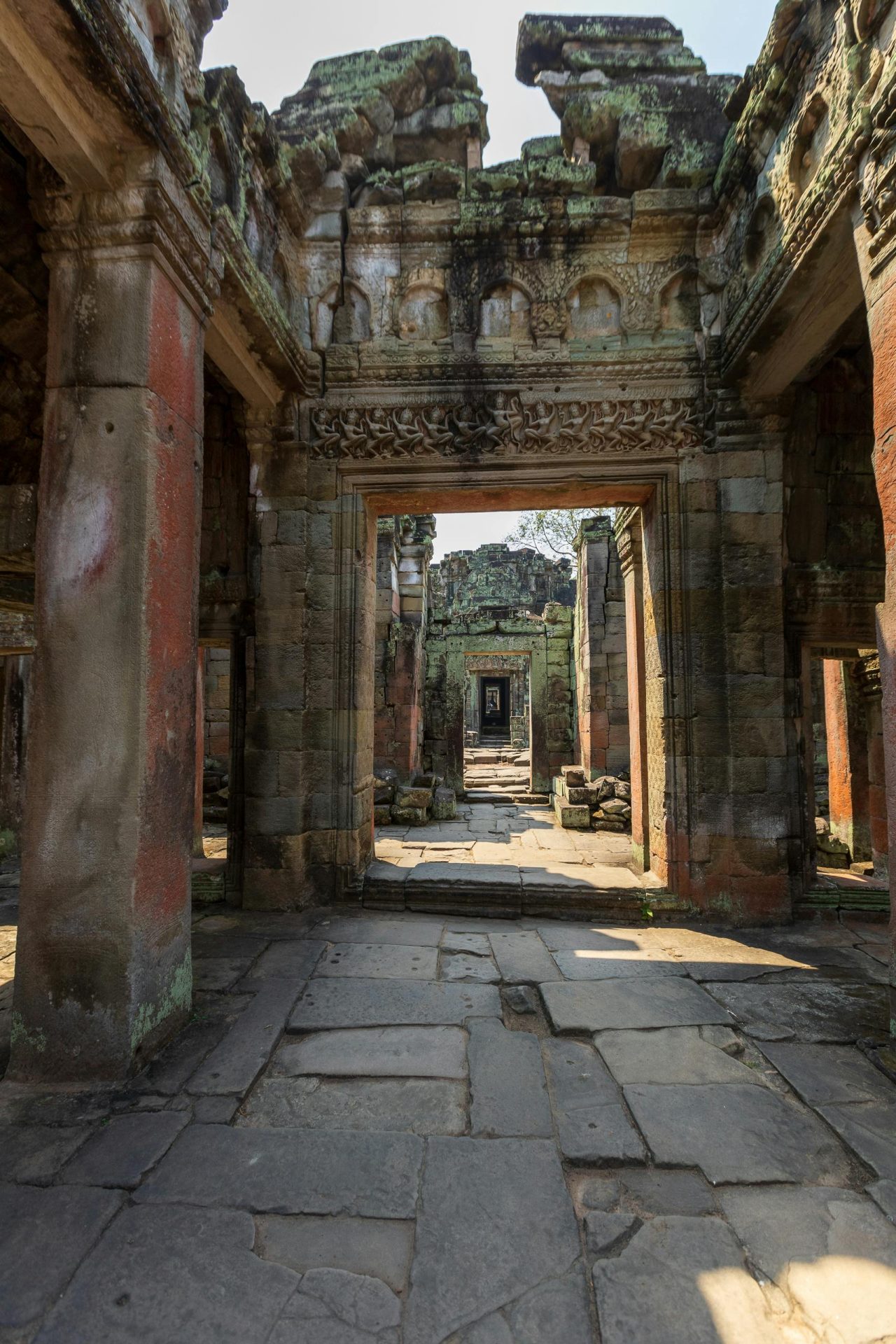
Photo: Pexels/Sergk1
One of the most remarkable aspects of Angkor Wat is its large-scale sandstone construction and high level of architectural precision, reflecting the advanced engineering skills of the Khmer builders. The seamless integration of architecture, sculpture, and natural surroundings gives the entire complex a sense of grandeur and spiritual harmony.
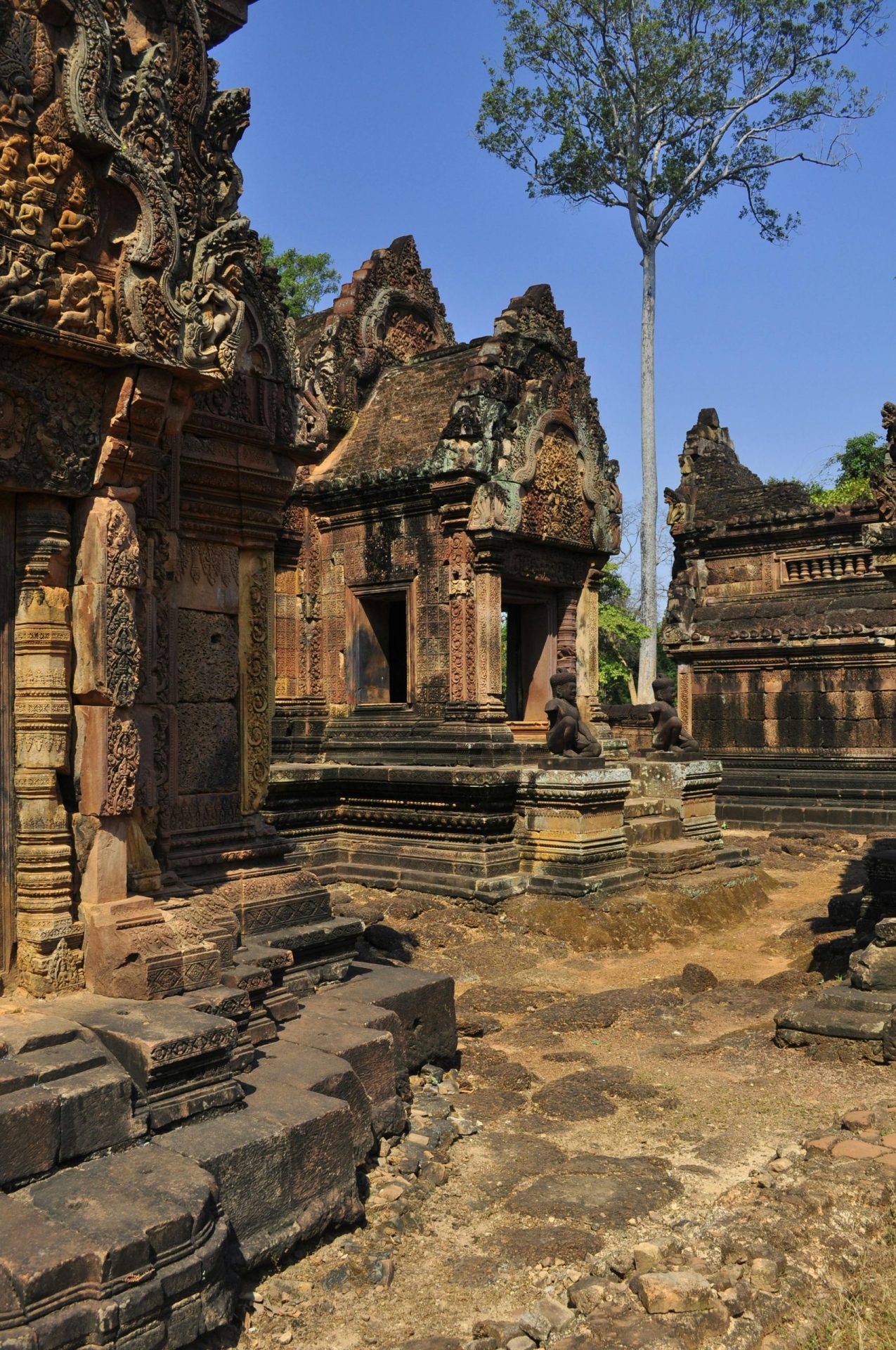
Photo: Pexels/Sophann Muon
In 1992, the Angkor temple complex, including Angkor Wat, was inscribed on the UNESCO World Heritage List. Today, Angkor Wat is not only a major tourist attraction but also an enduring symbol of Cambodia’s cultural, historical, and spiritual heritage.
NTT