Bagan – The Sacred Ancient Capital and the “Land of a Thousand Temples” in Myanmar
Located on the eastern bank of the legendary Ayeyarwady River, Bagan is one of Southeast Asia’s most magnificent archaeological and religious sites. From the 9th to the 13th century, it served as the capital of the Pagan Kingdom, the cradle of Myanmar’s civilization and the foundation of its enduring Buddhist identity.
Spread across a vast plain covering more than 40 square kilometers, Bagan is home to over 2,000 surviving temples, pagodas, and monasteries, most of which were constructed using baked bricks. Each structure reflects a distinct architectural style, ranging from gilded bell-shaped stupas to monumental temples adorned with intricate reliefs, Buddha statues, and ancient murals. Notable landmarks include Ananda Temple, Thatbyinnyu Temple, Shwezigon Pagoda, and Dhammayangyi Temple, the largest temple in Bagan.
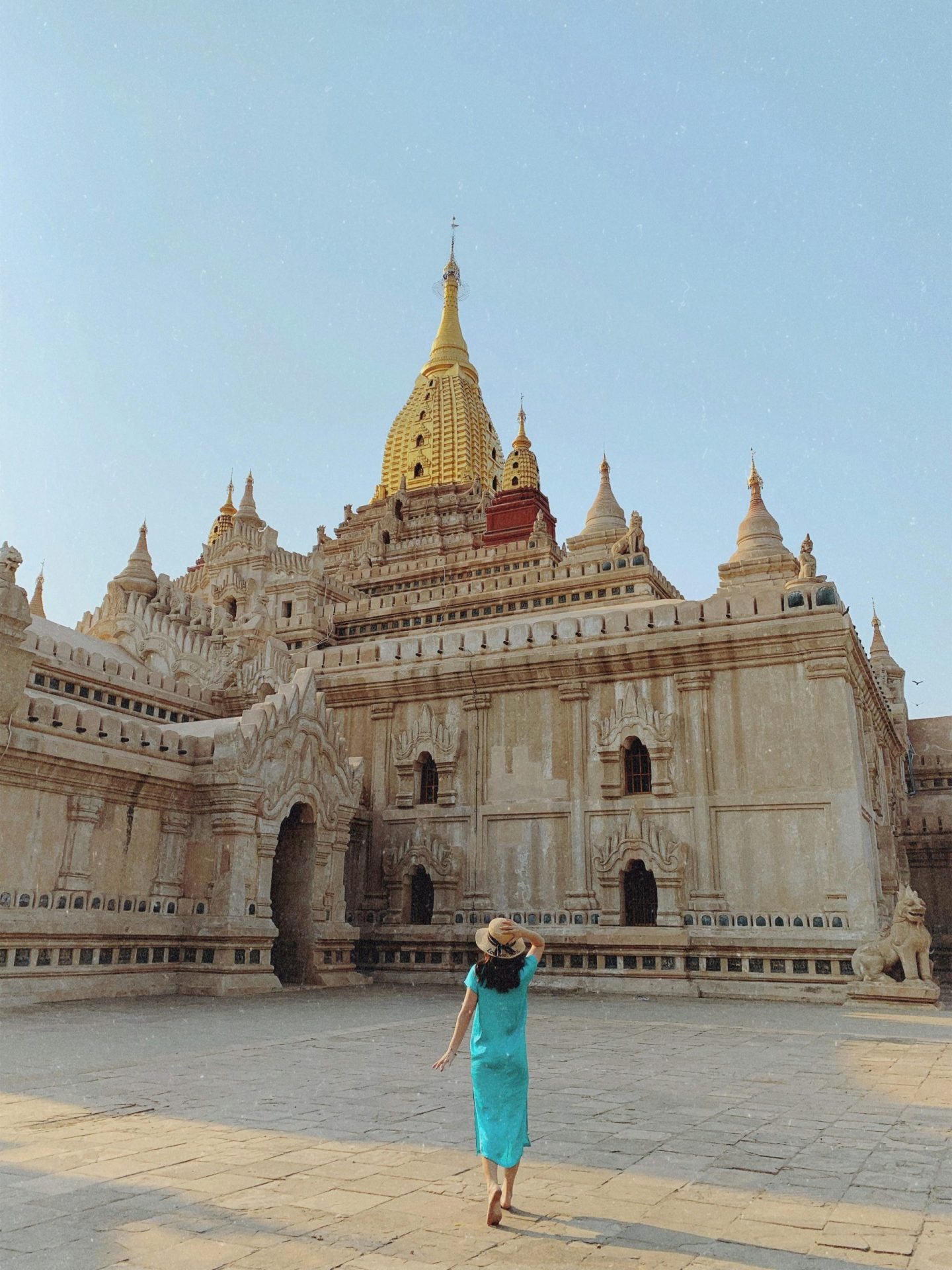
Photo: Pexels/Hanh Miu
Beyond its architectural significance, Bagan stands as a profound spiritual center of Theravāda Buddhism. For centuries, it played a vital role in the dissemination of Buddhist teachings, legal traditions, art, and written culture, thereby shaping the cultural and religious identity of Myanmar.
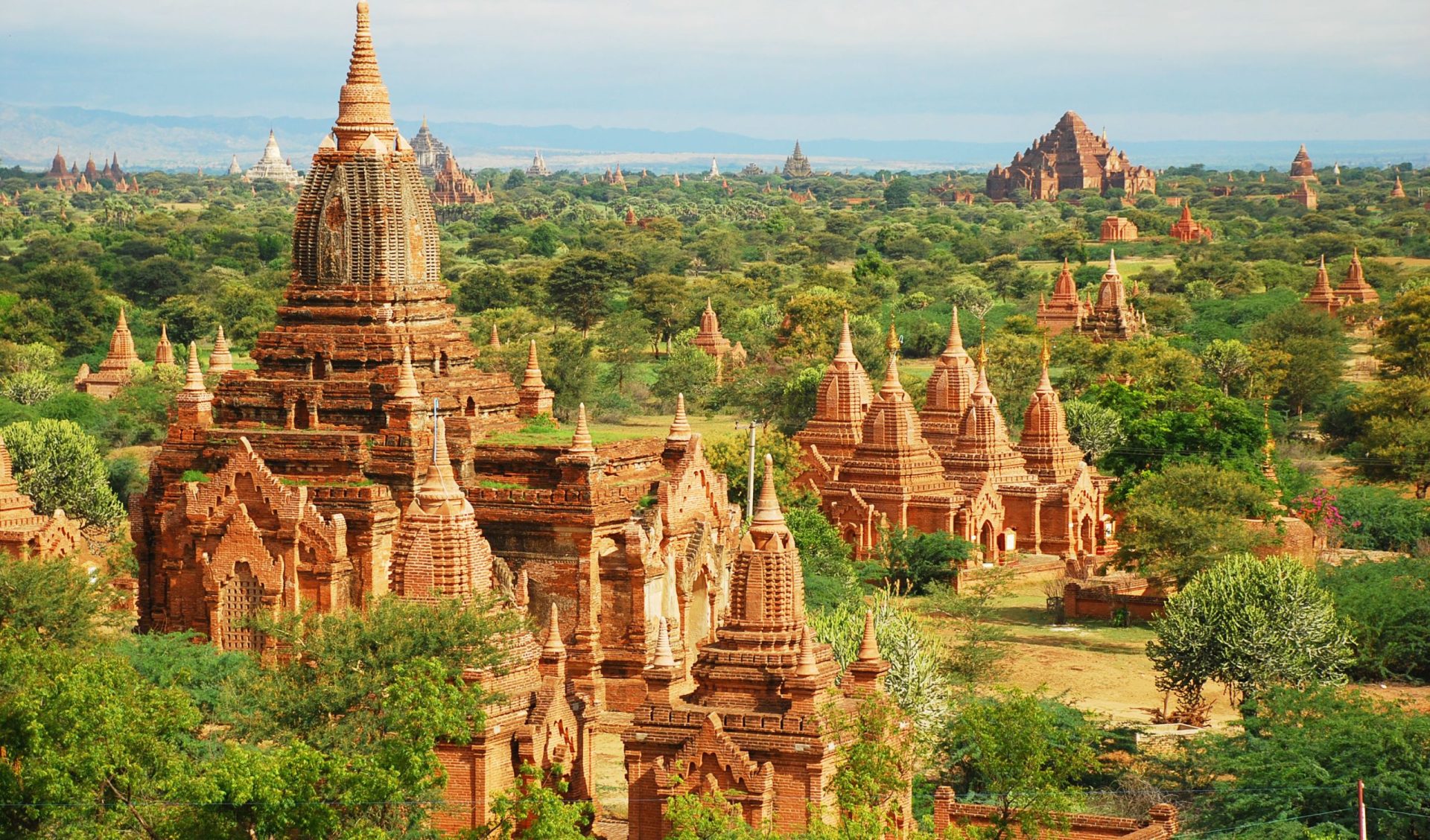
Photo: Hayes & Jarvis
One of the most breathtaking experiences in Bagan occurs at sunrise and sunset, when golden light bathes the countless ancient temples, creating a mystical and unforgettable landscape. Hot air balloon rides drifting gently over the plains at dawn have become an iconic symbol of Bagan tourism, offering panoramic views of this extraordinary heritage site.
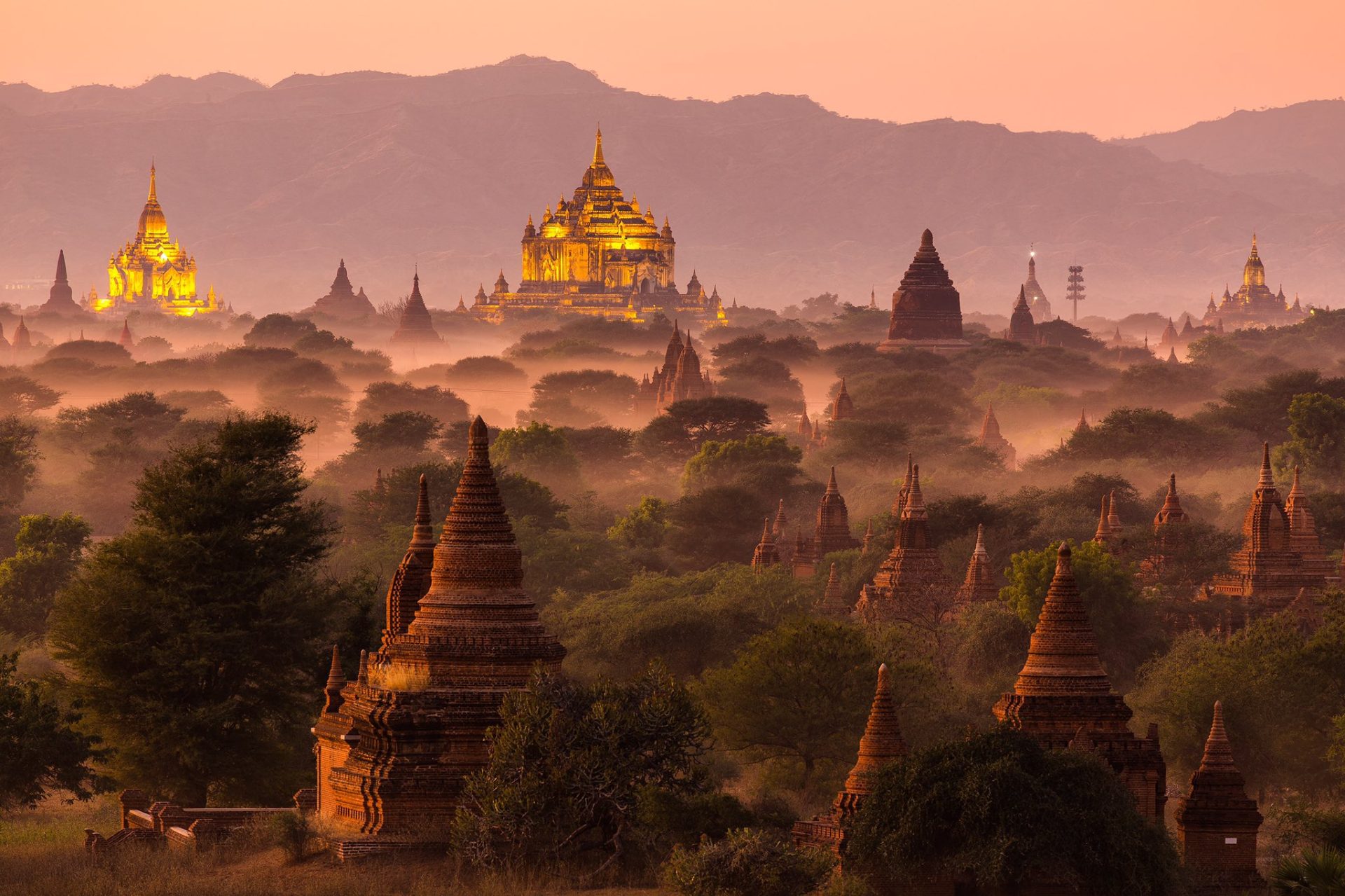
Photo: Ivivu.com
Recognized for its outstanding historical, architectural, and spiritual value, Bagan was inscribed as a UNESCO World Heritage Site in 2019. Today, it stands not only as a source of national pride for Myanmar but also as a shared treasure of humanity, bearing timeless witness to human creativity and spiritual devotion over more than a millennium.
NTT