Hanoi to host its first Ethnic and Religious Festival of the Capital
The Hanoi People’s Committee has issued Plan No. 90/KH-UBND on the organization of the First Ethnic and Religious Festival of the Capital, under the theme Converging Beliefs – Spreading Identity – Joining Hands for the Capital’s Rise. The event is scheduled to take place in late April 2026 at the Central Sector of the Imperial Citadel of Thang Long and the Hoan Kiem Lake area, with the participation of representatives of ethnic communities, religious organizations, municipal departments, sectors and localities, as well as large numbers of domestic and international visitors.
The Festival is organized to further affirm the city’s commitment to the implementation of ethnic policies, and to respect and guarantee the people’s right to freedom of belief and religion. At the same time, the event aims to preserve and promote the fine traditional cultural values of ethnic communities and religious organizations, contributing to affirming Hanoi’s position as a centre where the nation’s cultural values converge and crystallize.
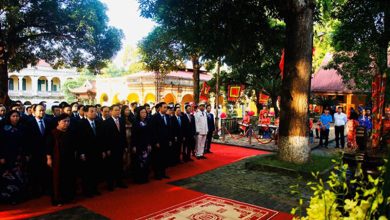
The programme will open with an incense-offering ceremony at Kinh Thien Palace within the Imperial Citadel of Thang Long, expressing gratitude to the forebears and honouring the nation’s historical traditions. This will be followed by a mass performance and cultural parade featuring representatives of ethnic groups and religious organizations, presenting traditional costumes, musical instruments and emblematic cultural symbols.
A highlight of the Festival will be the opening ceremony and the art programme entitled “Converging Beliefs – Radiant Identity – Aspiration of the Capital,” held in conjunction with the 80th anniversary of the traditional day of agencies engaged in ethnic affairs.
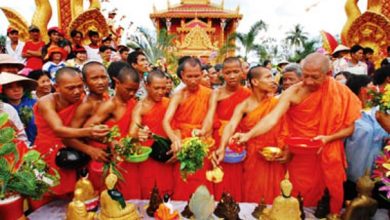
Within the framework of the event, a series of cultural spaces will be created at the Imperial Citadel of Thang Long, displaying and recreating traditional architecture from different regions, reviving festivals, and presenting folk performances and traditional games of Vietnam’s ethnic communities. Visitors will be able to enjoy performances such as the fire-jumping ritual of the Pa Then people, the Long Tong festival of the Tay people, the Kate festival of the Cham people, the Chol Chnam Thmay festival of the Khmer people, the Xoe dance of the Thai people, and nhay sap bamboo dancing of the Muong people, alongside gong performances, Then singing, ca tru, quan ho, and presentations of the traditional costumes of Vietnam’s 54 ethnic groups.
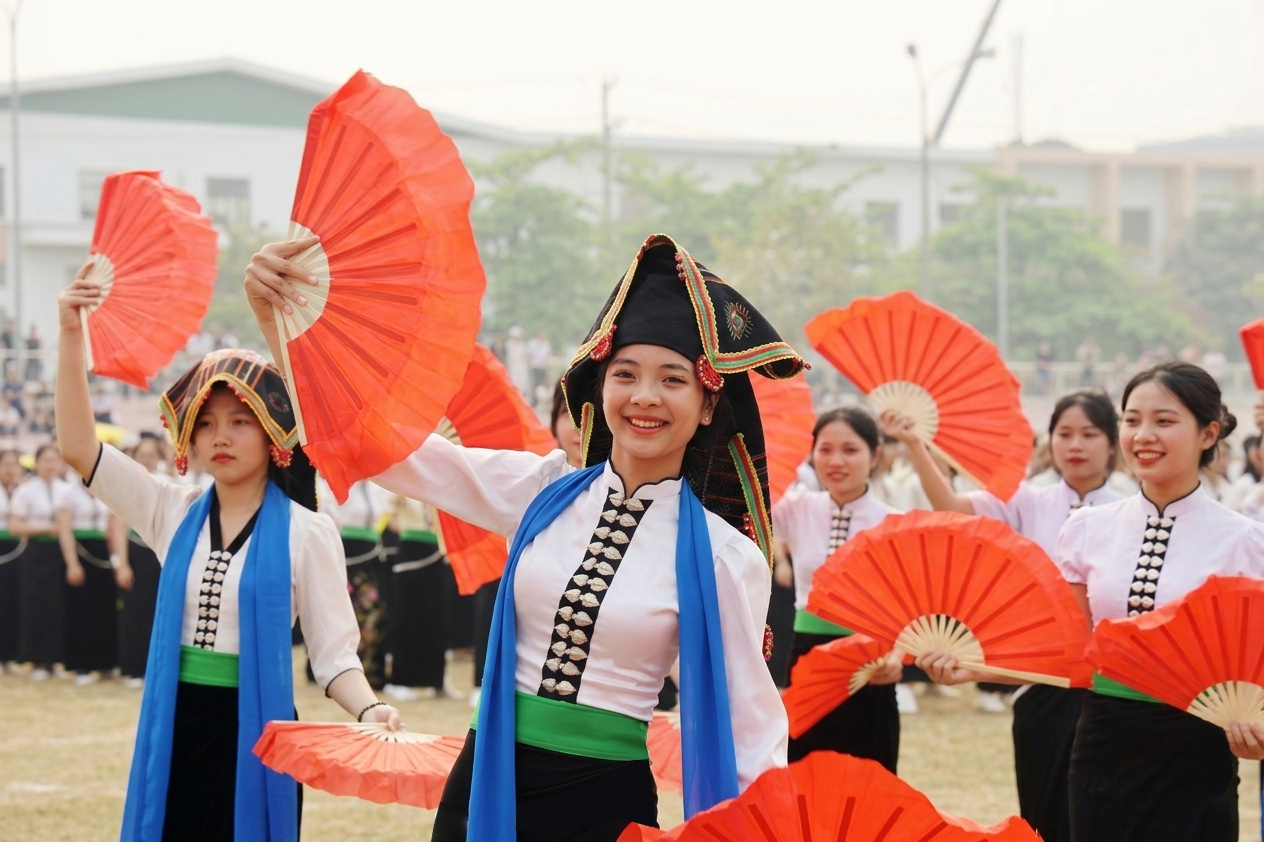
Photo: Xoe dance of the Thai ethnic group
The Festival will also introduce a religious cultural space, notably including a Zen tea and Buddhist culture area, a vegetarian culinary space, and displays of ritual objects and Buddhist symbols. In addition, activities will feature the exhibition of khan chau, ao luot, and ritual props used in the practice of the Mother Goddess worship belief, calligraphy performances, and the recreation of selected traditional rituals through virtual spaces combined with 3D technology.
Beyond the cultural activities, visitors will also be able to explore experiential cultural zones, sample regional cuisine, watch demonstrations of traditional handicrafts, and visit booths showcasing OCOP products and distinctive agricultural produce from ethnic minority areas.
The First Ethnic and Religious Festival of the Capital also serves as an activity celebrating the 14th National Party Congress, the elections of deputies to the 16th National Assembly and People’s Councils at all levels for the 2026–2031 term, the 80th anniversary of the traditional day of agencies engaged in ethnic affairs, and the 51st anniversary of the liberation of the South and national reunification. The Festival is being organized under the direction of the Hanoi People’s Committee, with the Department of Ethnic and Religious Affairs serving as the lead agency in coordination with relevant units.
NTT