
Sufficient Scientific Evidence to Support Research into the Reconstruction of Kinh Thien Palace
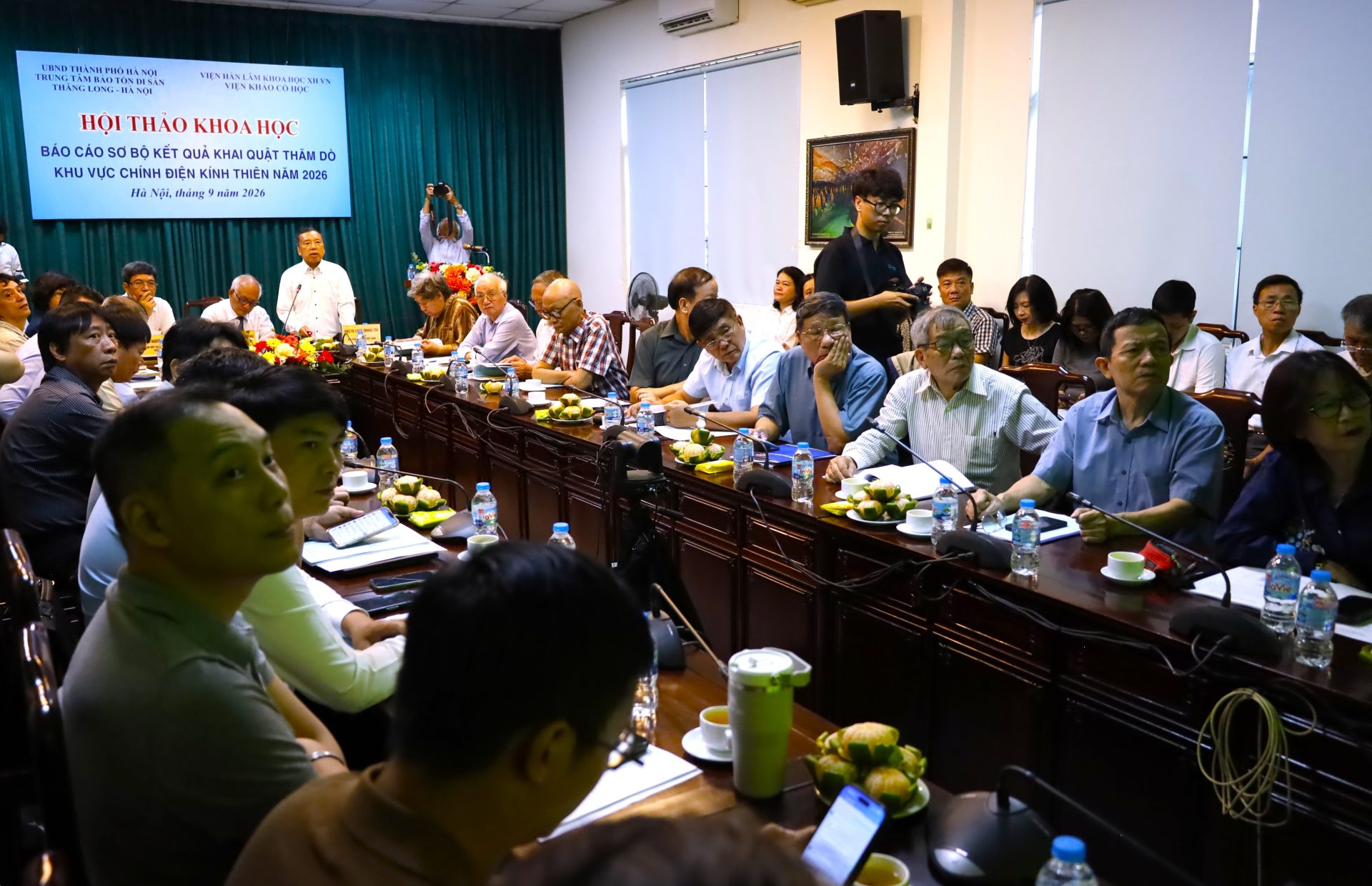
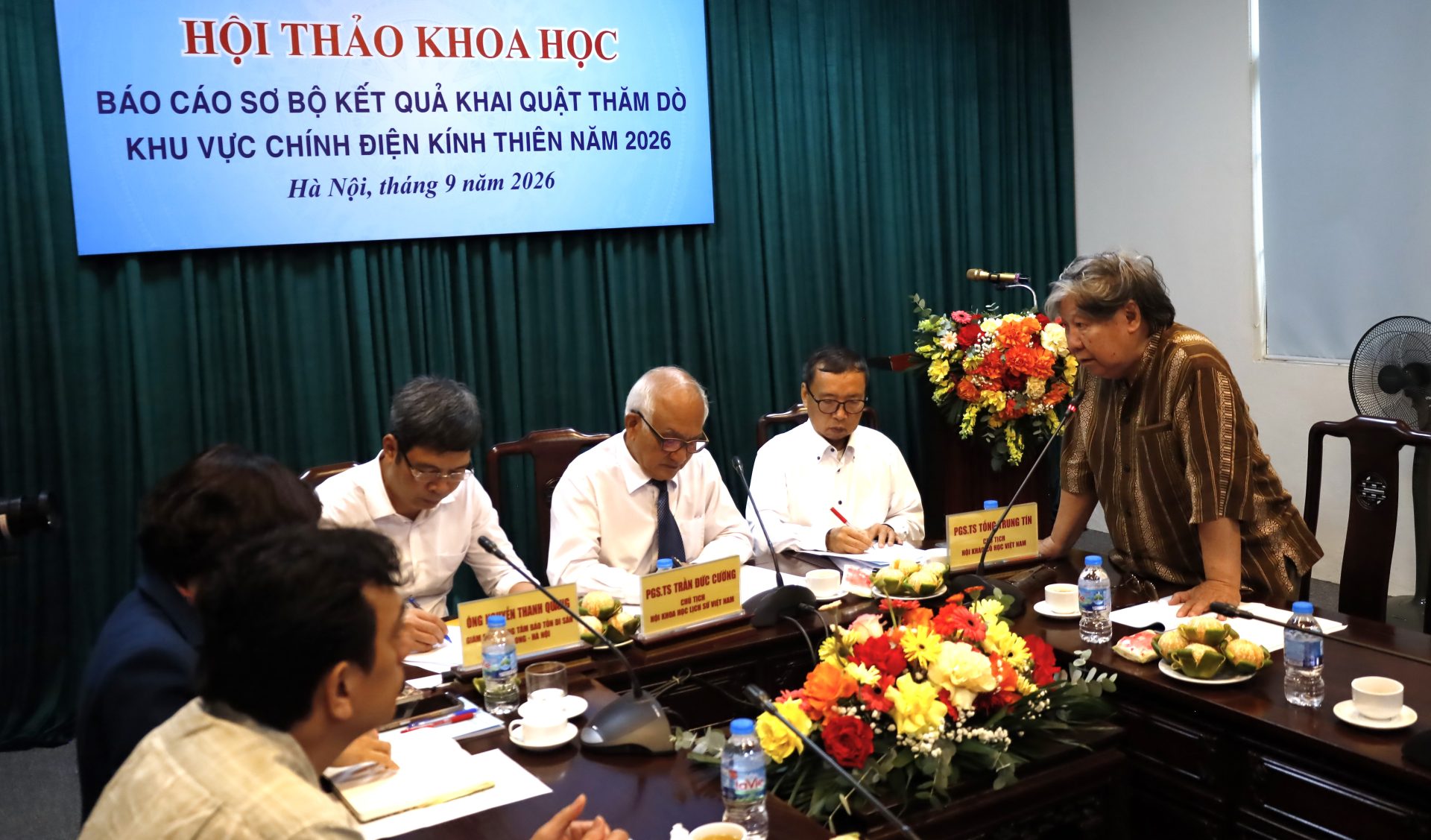
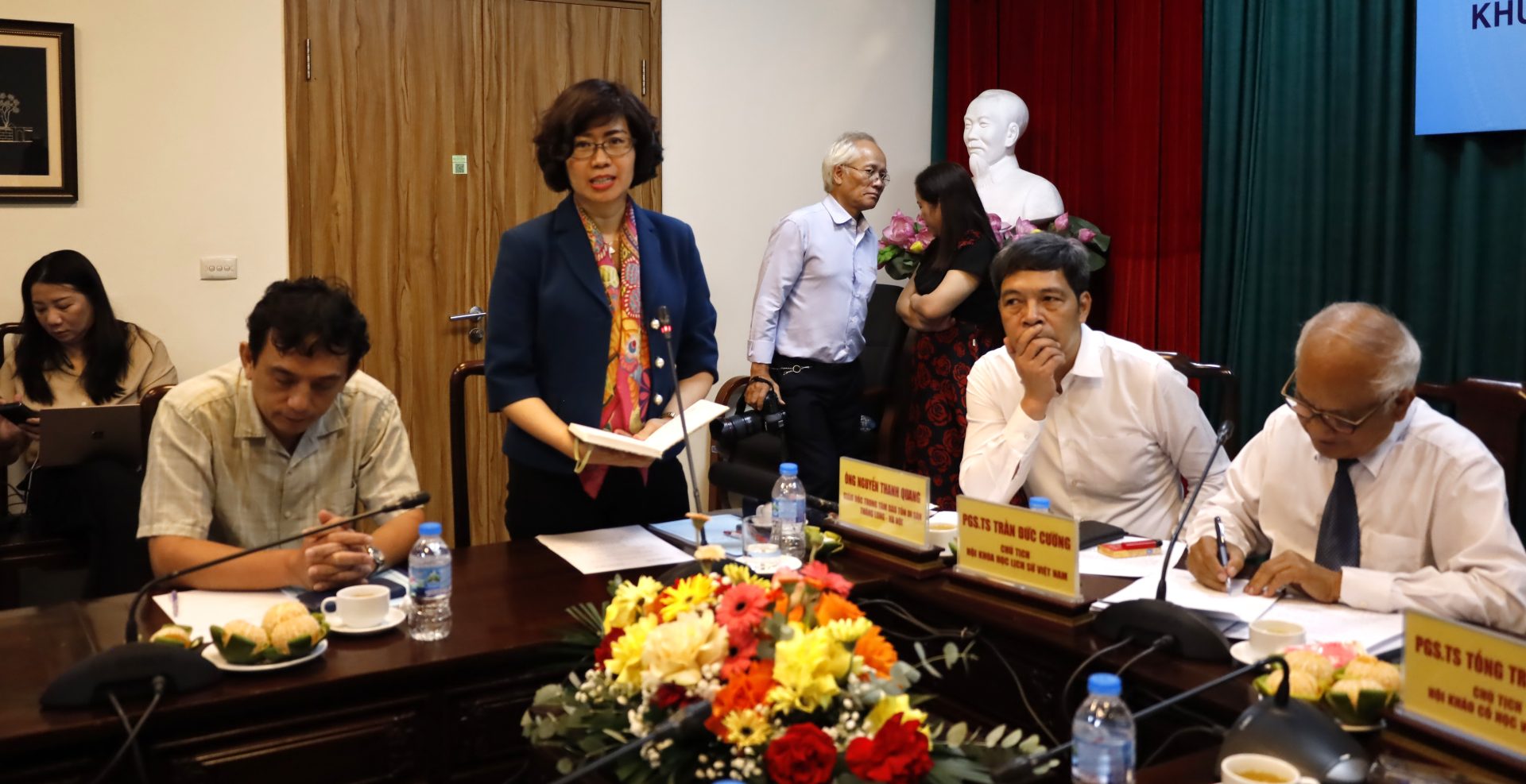
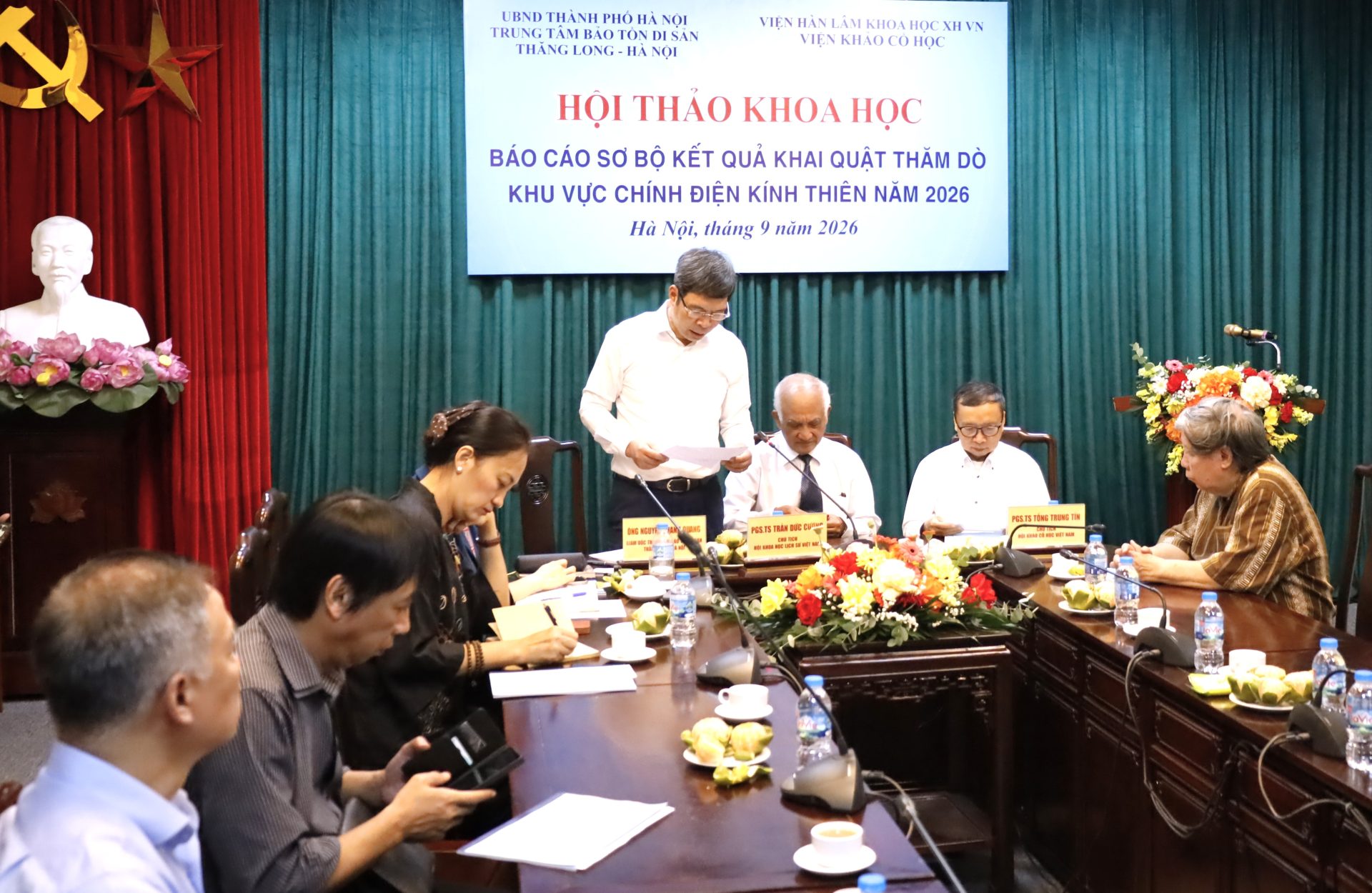
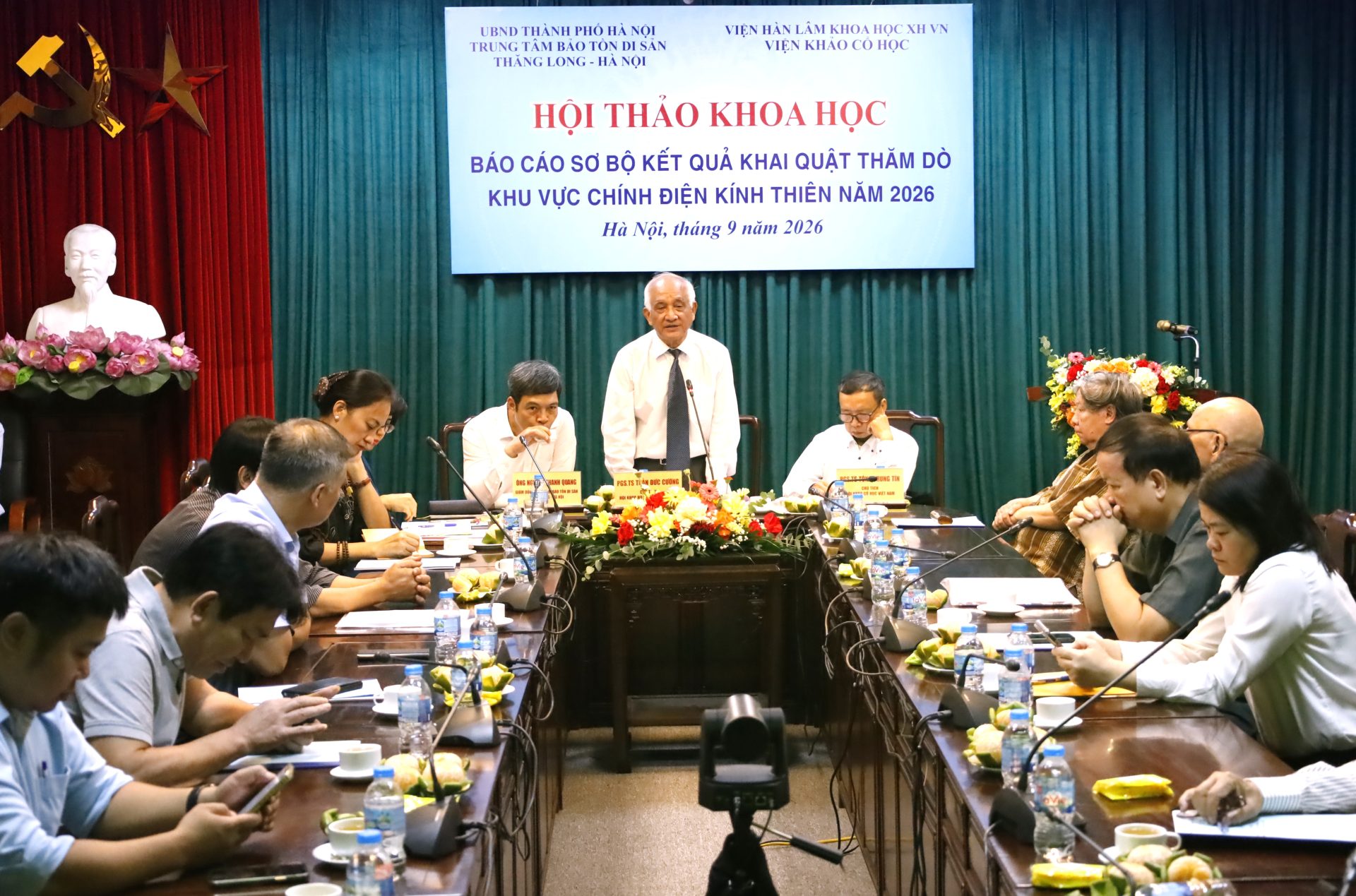
On the morning of September 14, at the Thang Long Imperial Citadel heritage site, the Thang Long–Hanoi Heritage Conservation Centre, in collaboration with the Institute of Archaeology, organised a scientific workshop entitled “Preliminary Report on the Results of the 2026 Exploratory Excavations in the Kinh Thien Palace Area”. The fourth excavation campaign further clarified the palace’s scale, foundation structure and architectural layout, providing important additional scientific evidence for research into the reconstruction of this exceptional building.
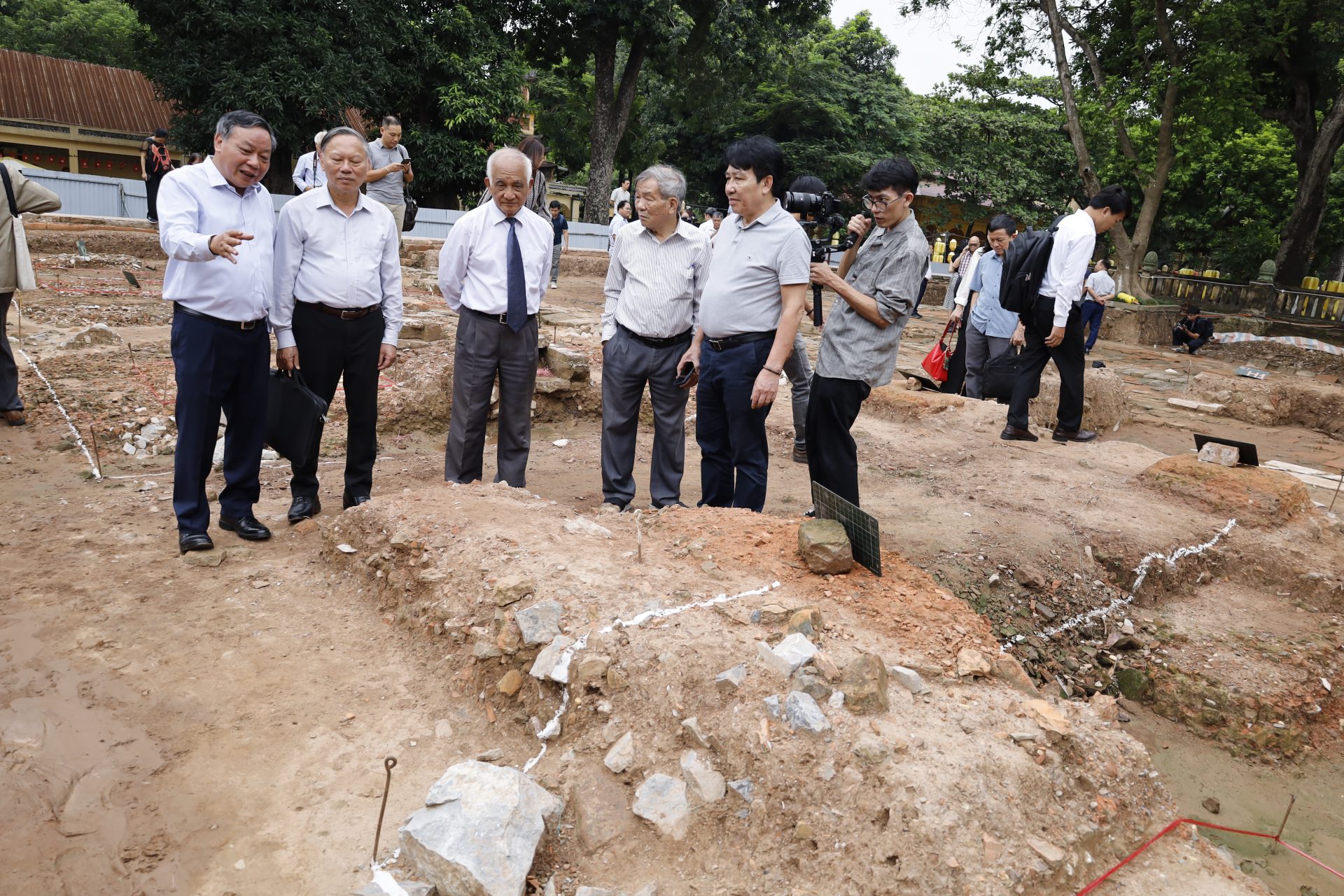
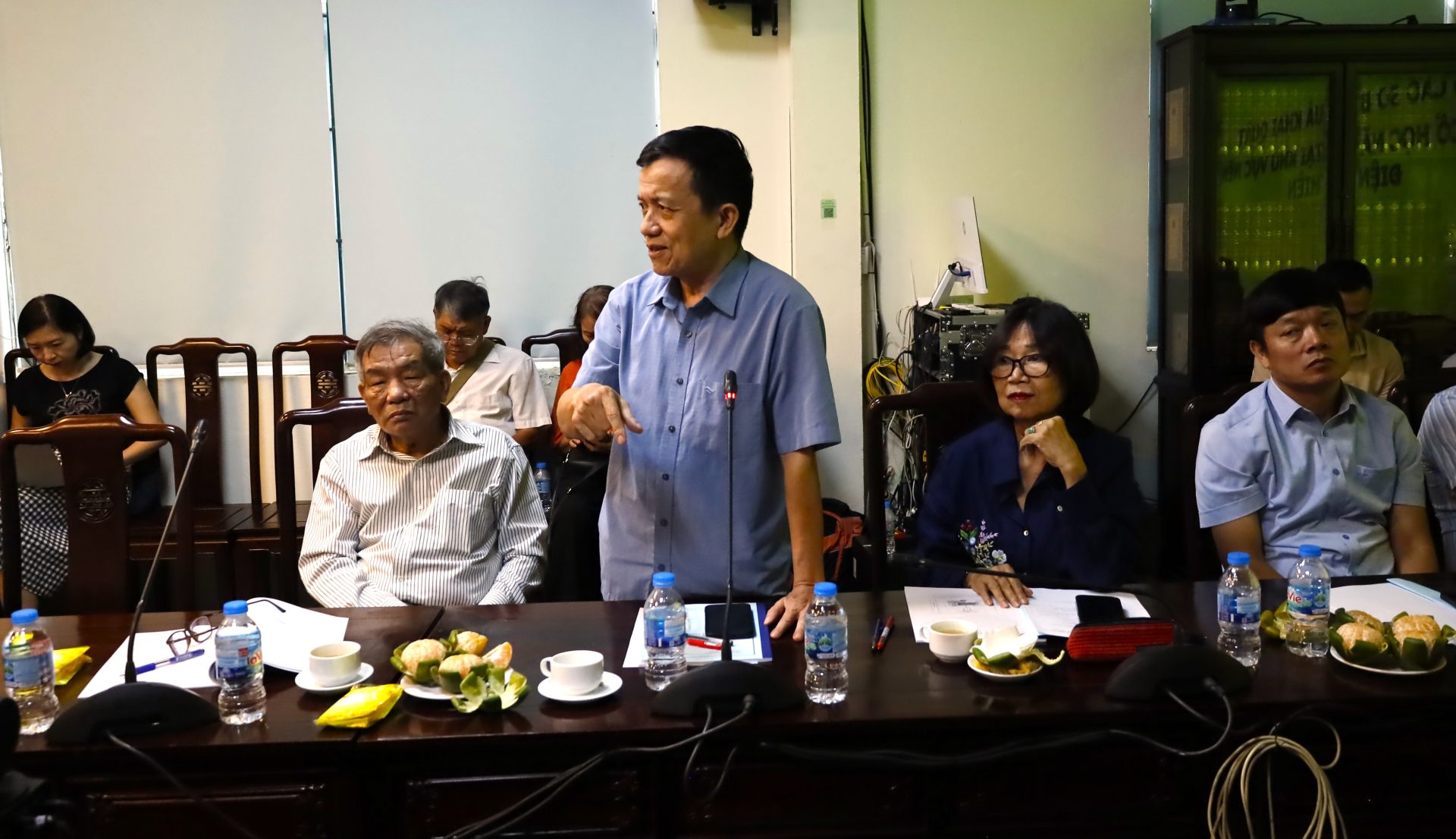
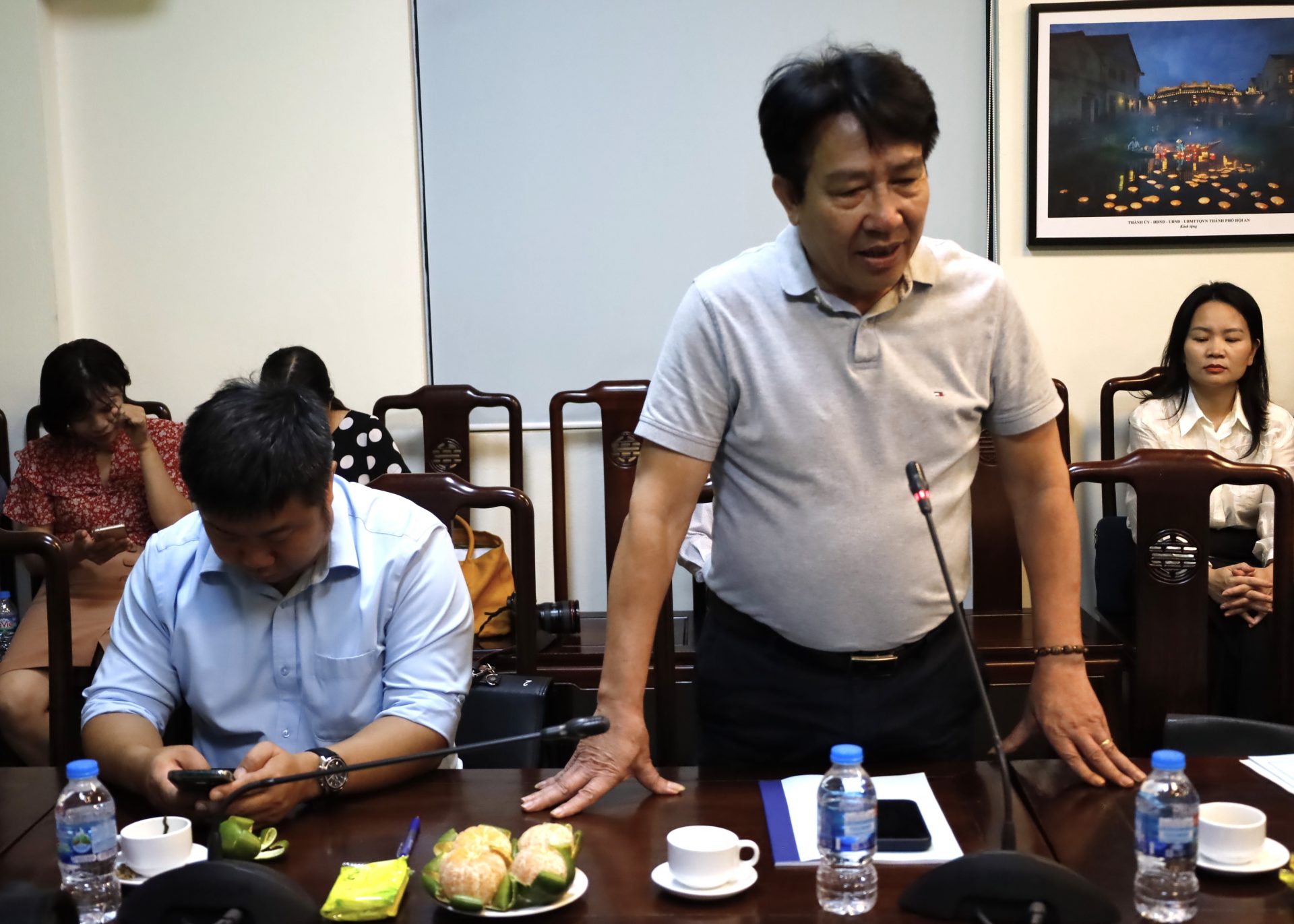
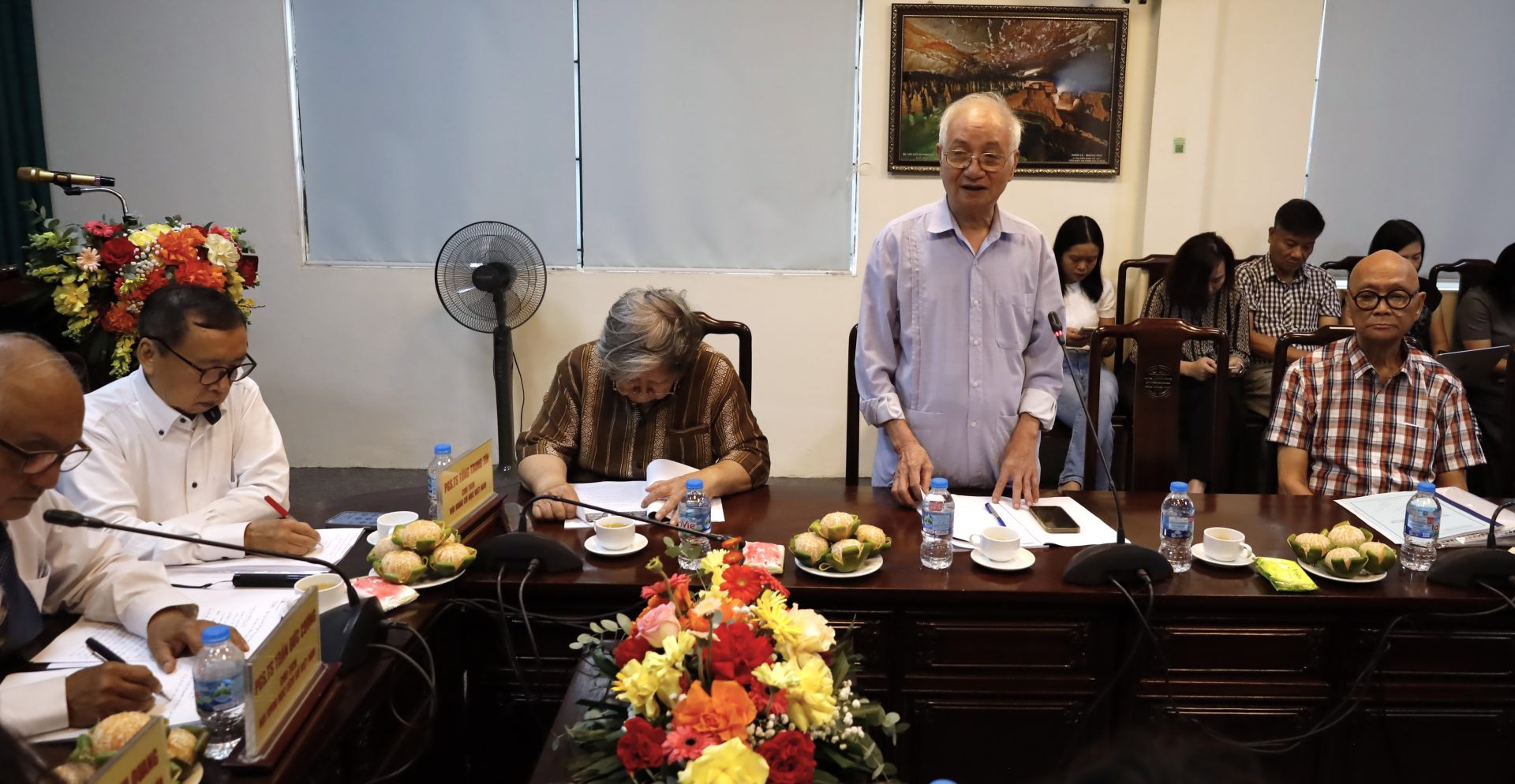
The workshop brought together heritage managers, scholars and specialists in history, archaeology, architecture and heritage conservation; representatives of central government agencies, Hanoi municipal authorities, the Vietnam National Commission for UNESCO and the UNESCO Office in Hanoi; and numerous research institutions, universities and media organisations.
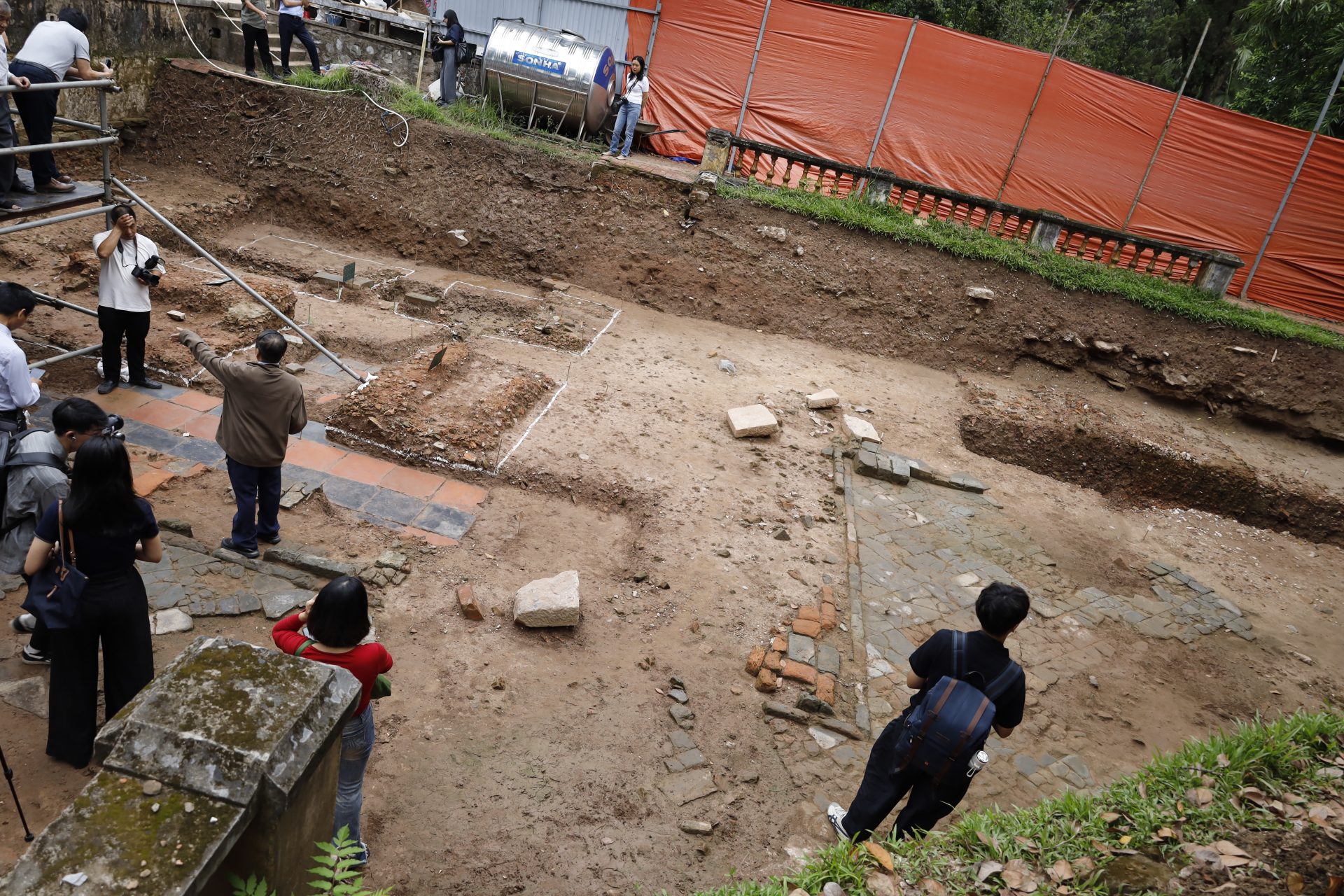
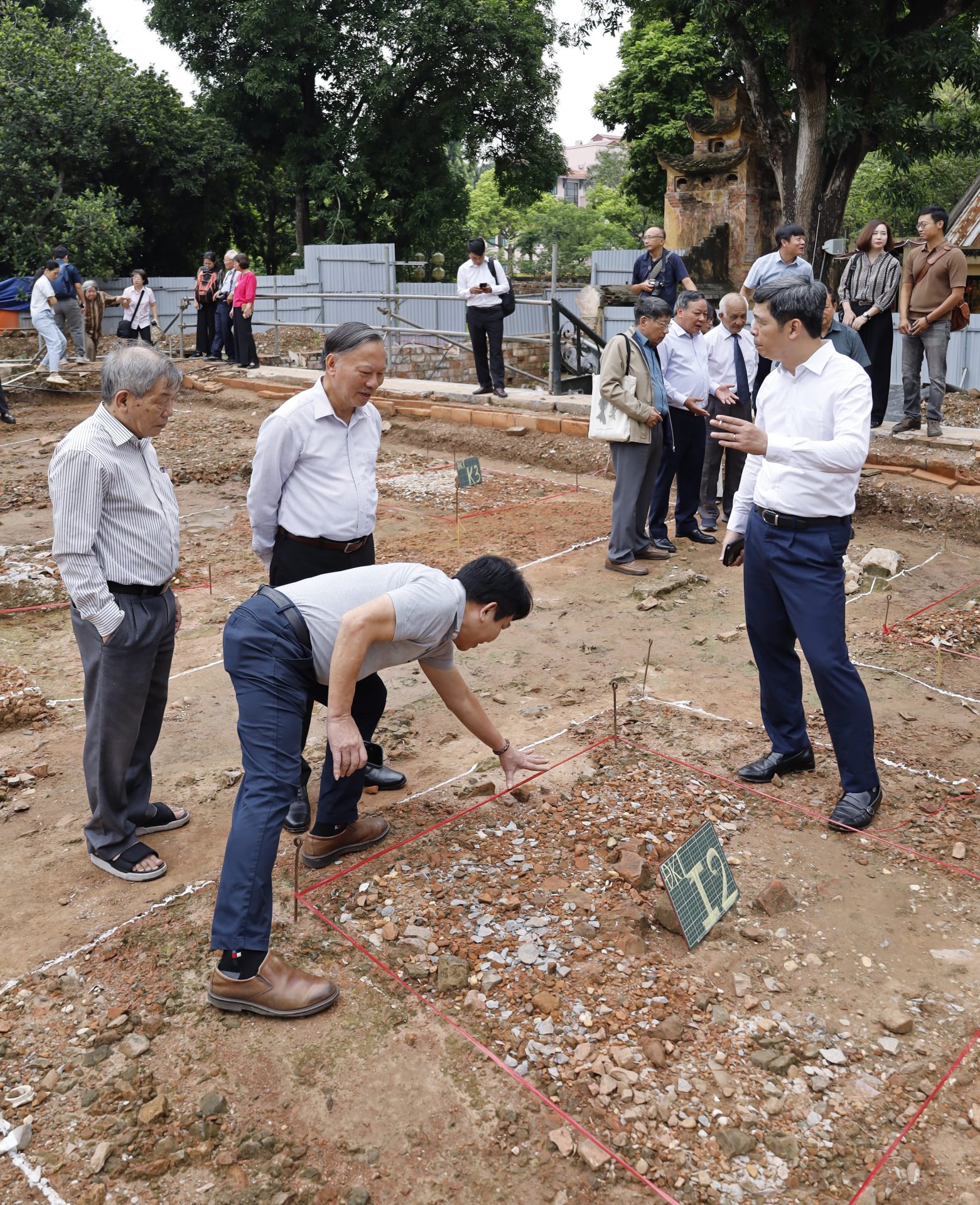
Following UNESCO/ICOMOS recommendations and decisions of the World Heritage Committee, the Thang Long–Hanoi Heritage Conservation Centre and the Institute of Archaeology had undertaken the fourth archaeological excavation at the Kinh Thien Palace foundations, in the Artillery Building area (CT04). Authorised under Decision No. 51/QD-BVHTTDL, dated January 10, 2026, of the Ministry of Culture, Sports and Tourism, and conducted under the direction of the Hanoi People’s Committee, the excavation covered a total area of 910 m²: 840 m² to the east and 70 m² to the west of the Artillery Building.
A Continuous Archaeological Sequence Spanning Some 1,300 Years
The combined findings from four excavation campaigns reveal a cultural stratigraphy approximately six metres deep at the Kinh Thien Palace site. Successive cultural layers date from the Dai La period through the Dinh and Early Le, Ly, Tran, Early Le, Restored Le and Nguyen dynasties. This exceptionally valuable stratigraphic sequence reflects the continuous development of Thang Long’s centre of power over some 1,300 years. Notably, remains of Kinh Thien Palace from the Early Le and Restored Le periods were discovered beneath the foundations of the Nguyen-dynasty Long Thien Palace.
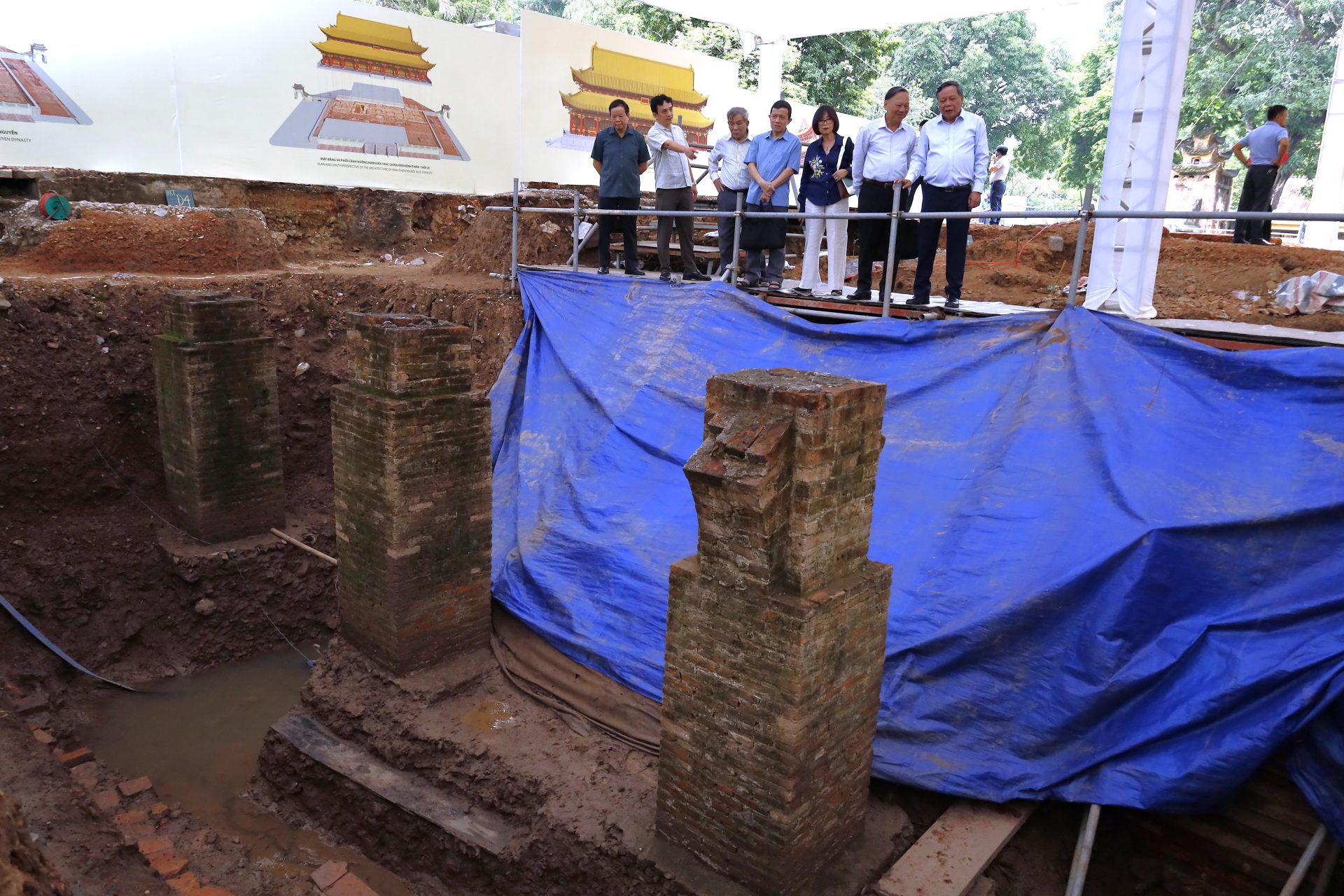
The column foundation system comprises single and paired foundations. The single foundations measure 2.8–3.5 m by 2.5–3.5 m, while the paired foundations measure 5.4–6.1 m by 2.7–3 m. These foundations incorporate additional inner cores beneath the columns, demonstrating the substantial scale and technical sophistication of the construction. Based on the exposed foundations, archaeologists have provisionally established that Kinh Thien Palace comprised nine bays and ten rows of columns along the east–west axis, and five bays and six rows of columns along the north–south axis.
The excavation also provided a clearer understanding of the remains of the Nguyen-dynasty Long Thien Palace. Its eastern and western limits coincide with those of the French colonial Artillery Building. Building on the 2025 research findings, the new evidence indicates that Long Thien Palace was constructed during Emperor Gia Long’s reign in the trung thiem diep oc style, comprising a front hall and a main hall with double eaves on a shared foundation platform.
Strengthening the Evidence Base for Reconstruction Research
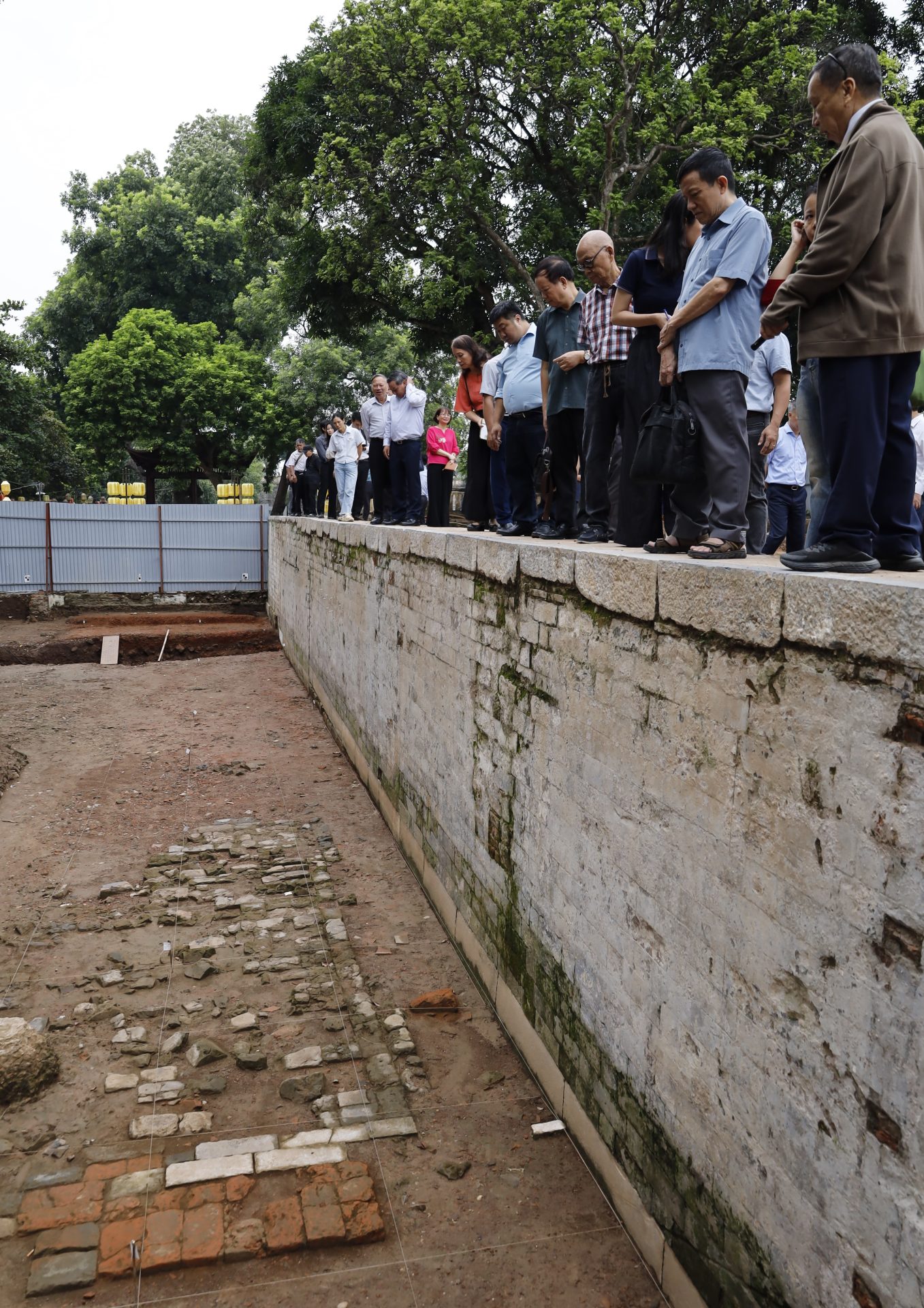
The 2026 excavations yielded substantial new evidence concerning the scale, platform foundations, column foundations and construction materials of Kinh Thien Palace. Archaeologists also uncovered traces of the palace courtyard, materials used to face the foundation platform, courtyard structures to the west and several associated architectural remains. Scholars consider these findings important for understanding the palace’s spatial setting and its relationship with structures built in subsequent historical periods.
Following more than 15 years of interdisciplinary research encompassing official histories, historical maps, archaeology, architecture and court rituals, Vietnamese and international scholars agree that Kinh Thien Palace and its surrounding ceremonial space occupied the central area of the Forbidden City. This was the centre of political power and court ceremony, serving as the foremost symbol of Dai Viet’s sovereign authority for four centuries, from the fifteenth to the eighteenth century. The latest discoveries provide further evidence of the palace platform’s dimensions, its platform and column foundations, construction materials, courtyard and associated structures. Together, they bring the palace’s architectural form and spatial layout into increasingly clear focus.
Experts at the workshop spoke highly of the excavation results. Many emphasised the importance of the evidence for research into the conservation and restoration of the Kinh Thien Palace precinct. The 2026 findings continue to fulfil UNESCO/ICOMOS recommendations, the 2022 Hanoi Communiqué and the requirements of the Law on Cultural Heritage. More importantly, they strengthen the scientific basis for research into reconstructing Kinh Thien Palace, helping to clarify and celebrate the Outstanding Universal Value (OUV) of the Thang Long Imperial Citadel World Heritage property. Under the proposed research approach, reconstruction must adhere to the principles of authenticity set out in international heritage instruments and the toolkit proposed by ICOMOS. Any proposal must rest on sound scientific evidence, be highly feasible and meet the requirements for conserving and enhancing the property’s OUV.
According to the scholars, research into the reconstruction of Kinh Thien Palace and its surrounding precinct is expected to lead to the creation of a major focal point within the heritage site. This would enable a more vivid interpretation of its history, architecture and court culture, helping to promote the site’s heritage values and strengthen its appeal to Vietnamese and international audiences.
In his concluding remarks, Associate Professor Dr Tran Duc Cuong, President of the Vietnam Association of Historical Sciences, described the 2026 excavation as a success that had yielded substantial new evidence about Kinh Thien Palace. Should reconstruction proceed, safeguarding the property’s authenticity must take precedence, with all work grounded in scientific evidence and guided by international conservation principles. This is regarded as an important approach to celebrating and promoting the Outstanding Universal Value of the Central Sector of the Imperial Citadel of Thang Long–Hanoi.
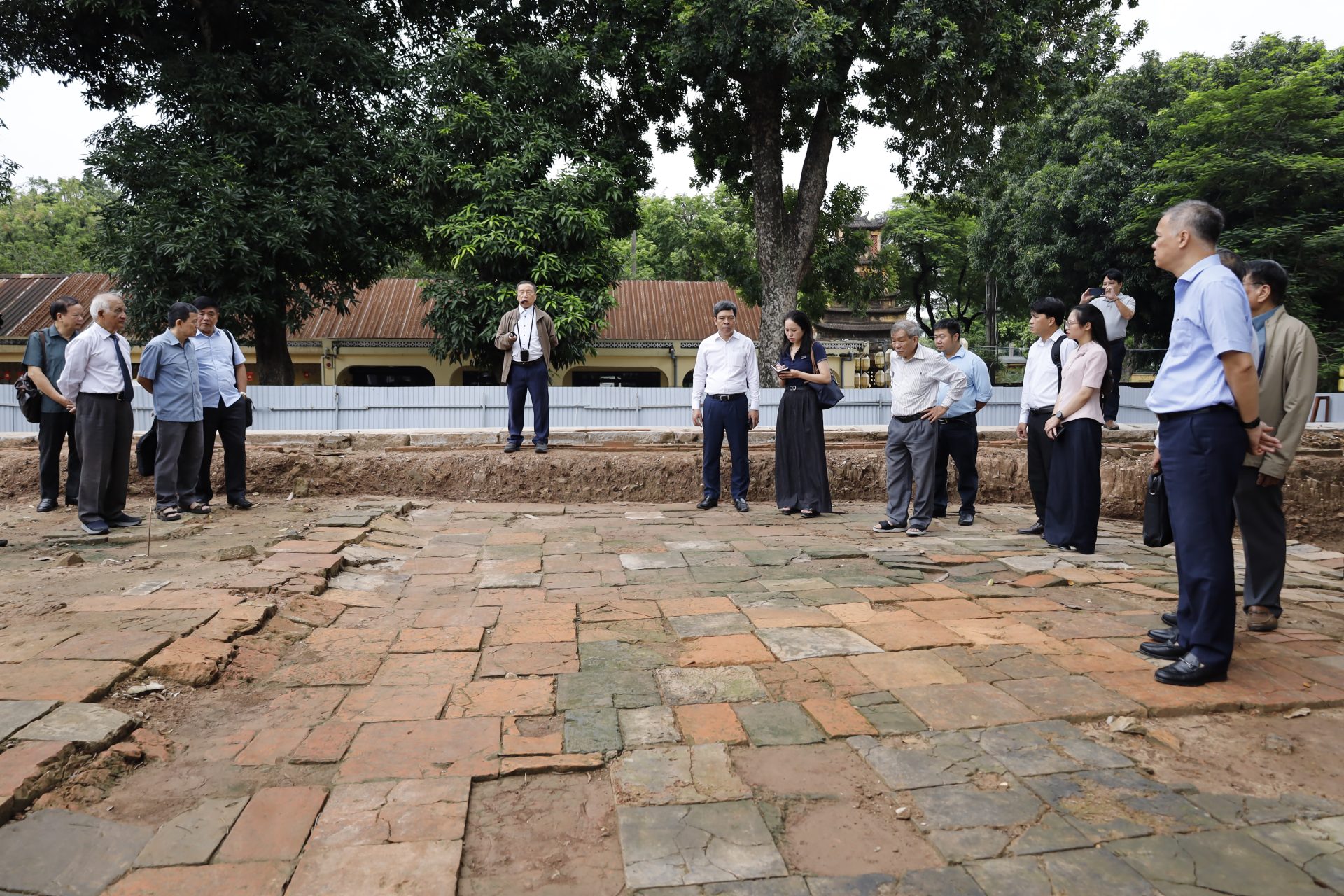
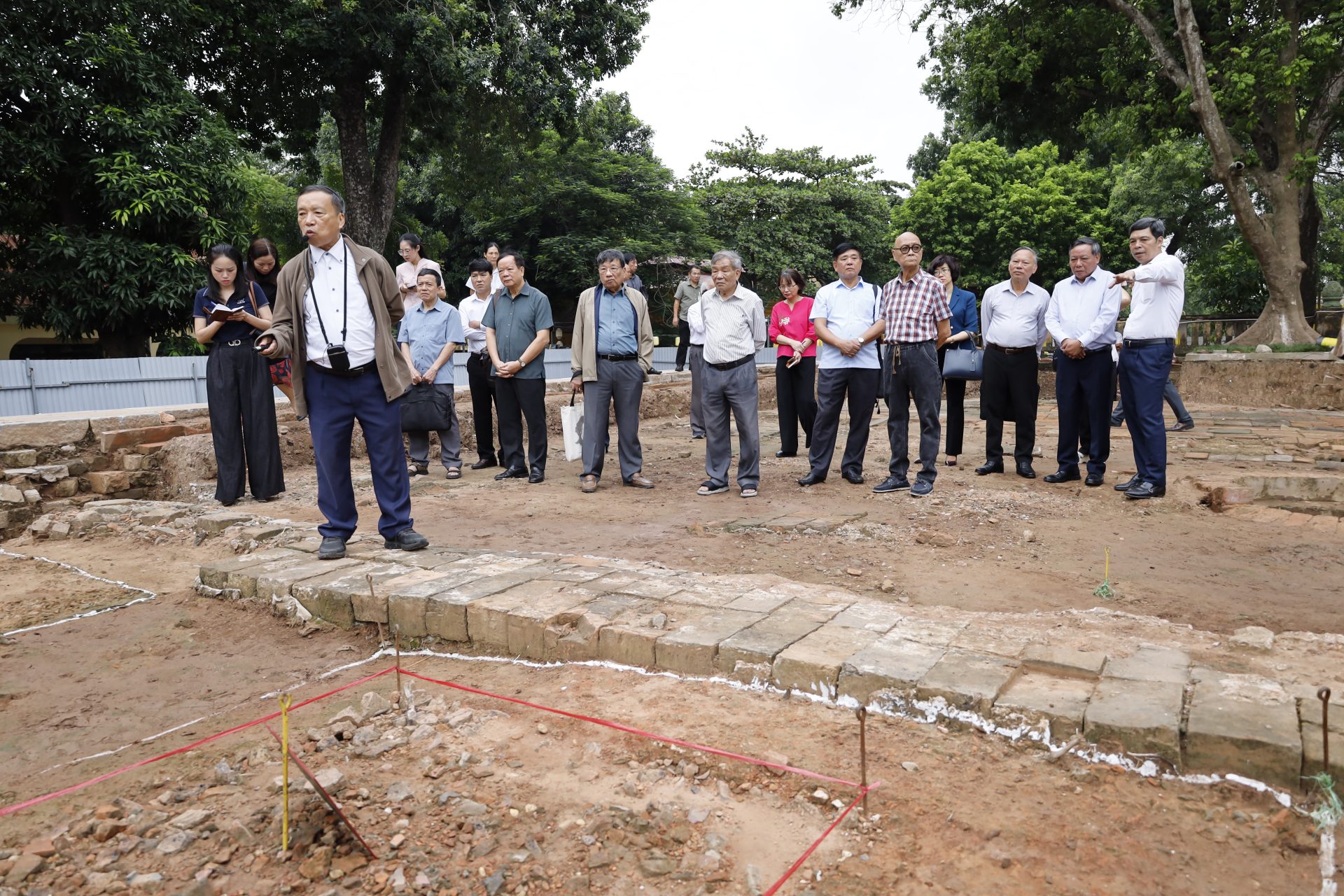
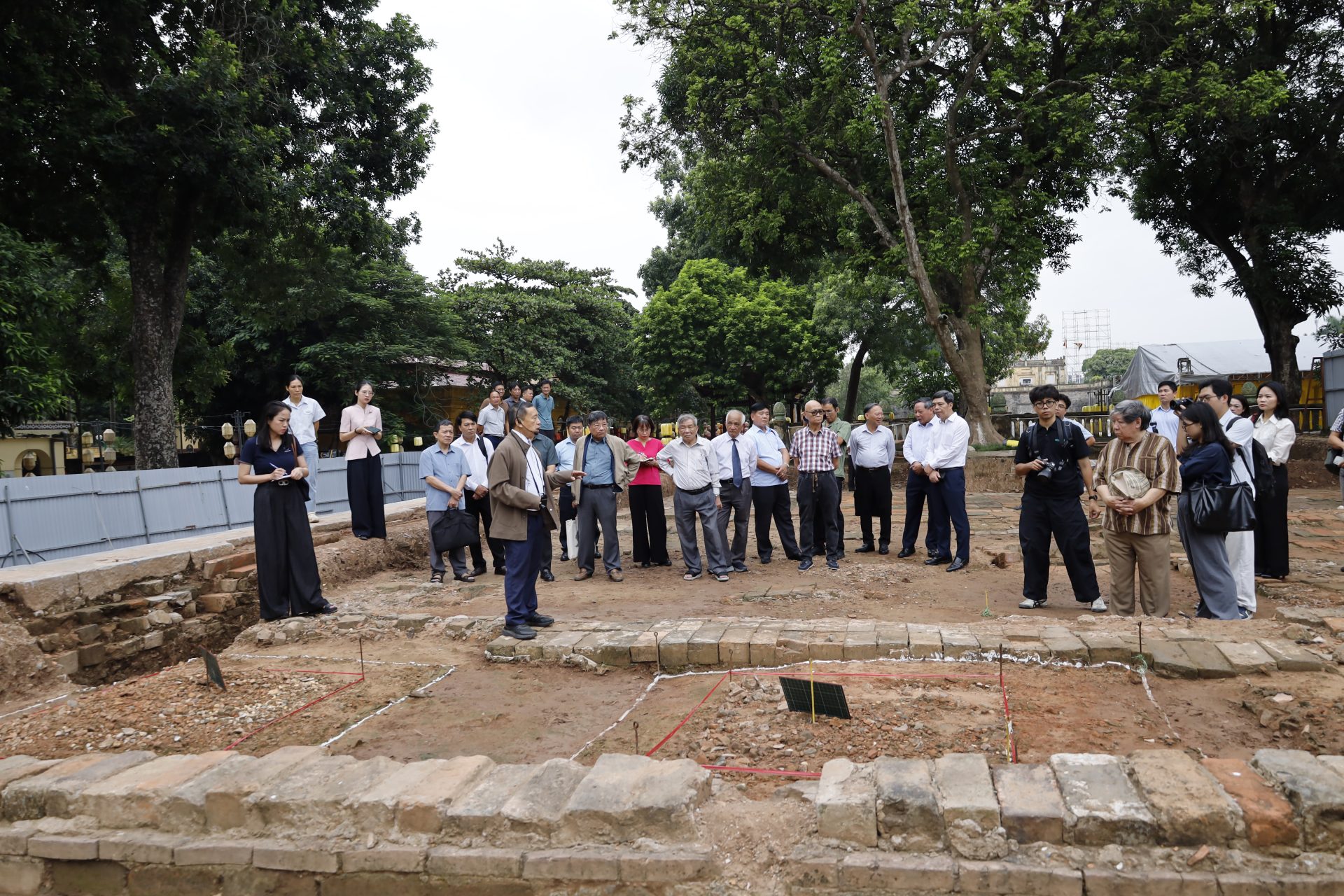
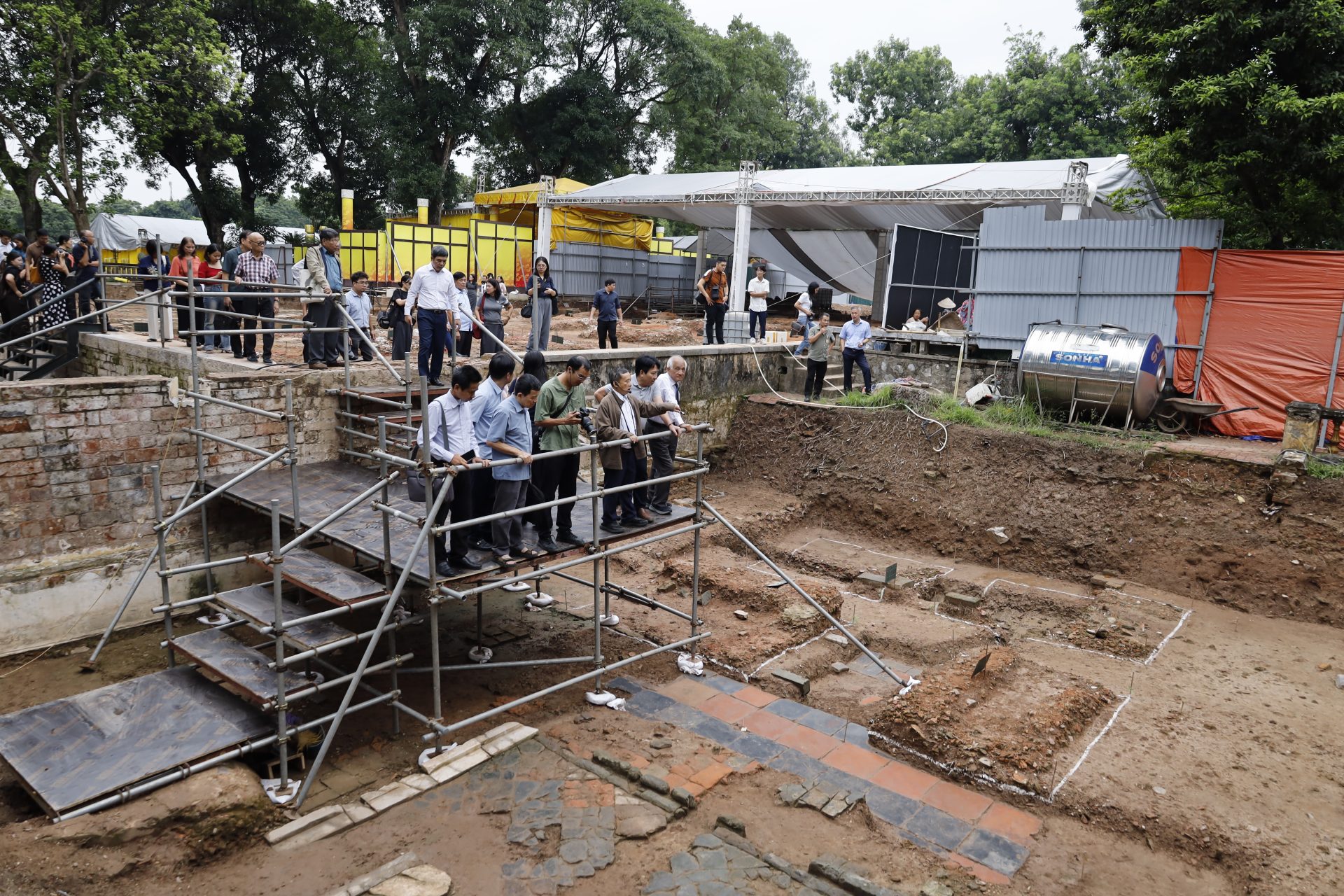
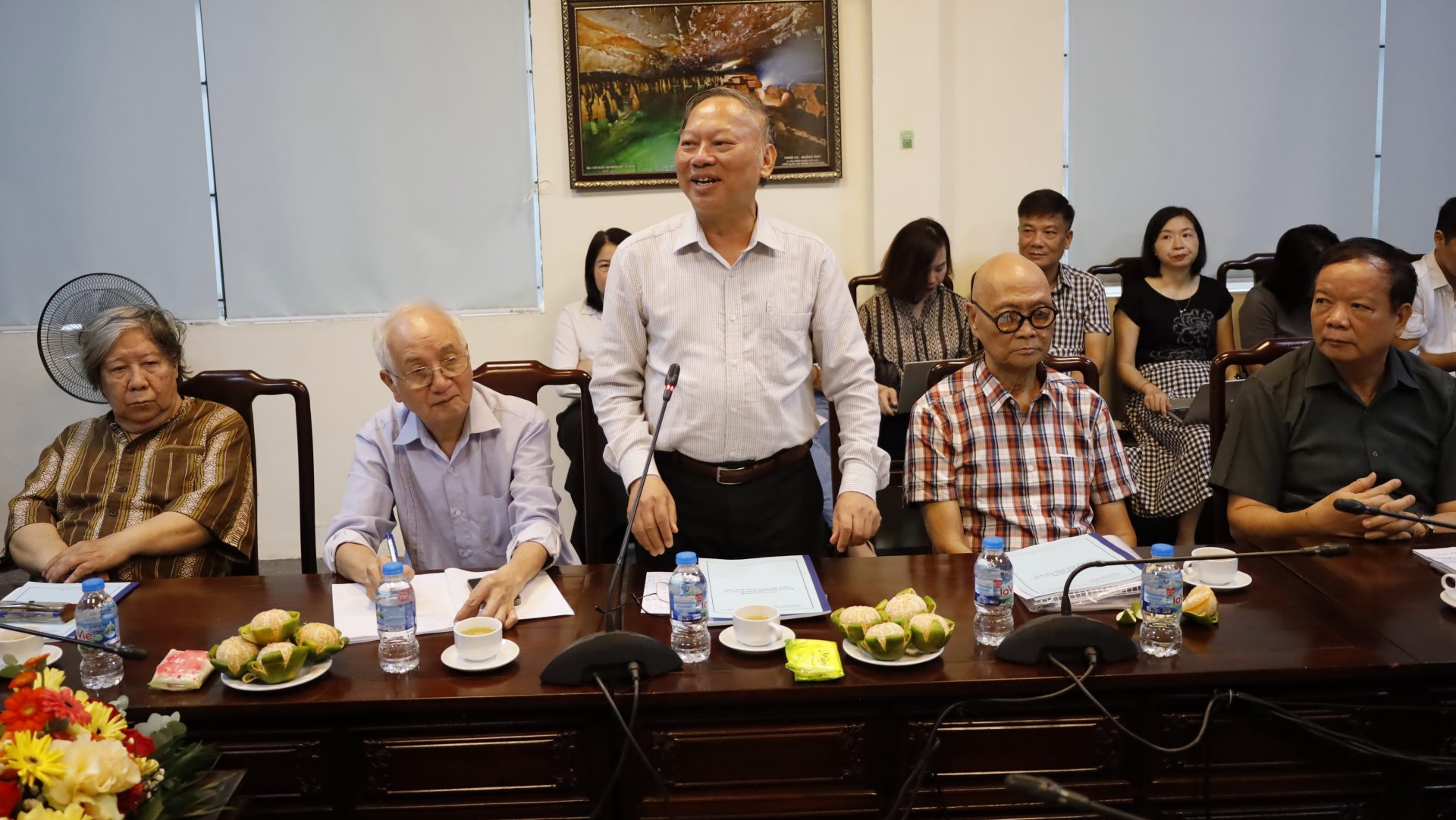
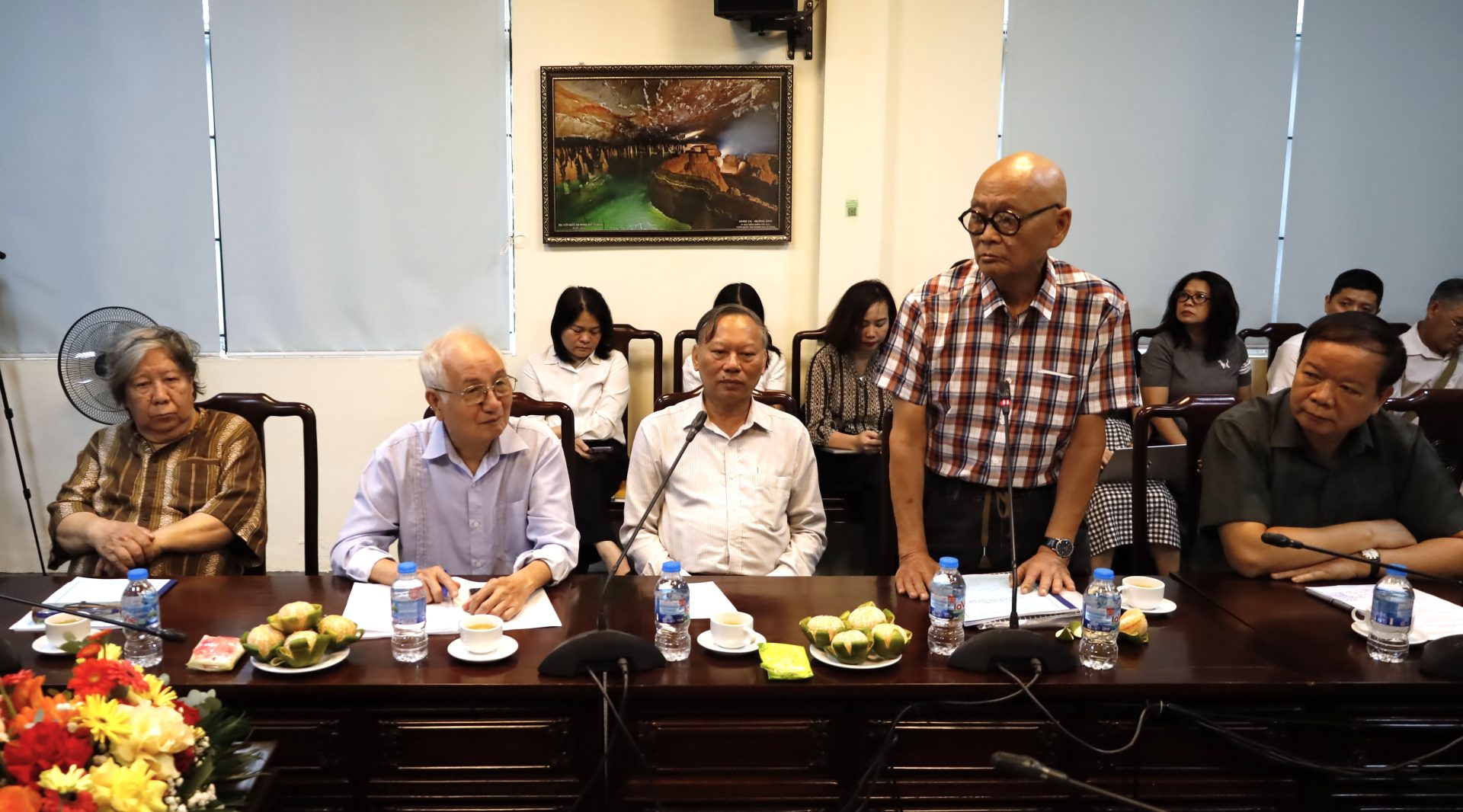
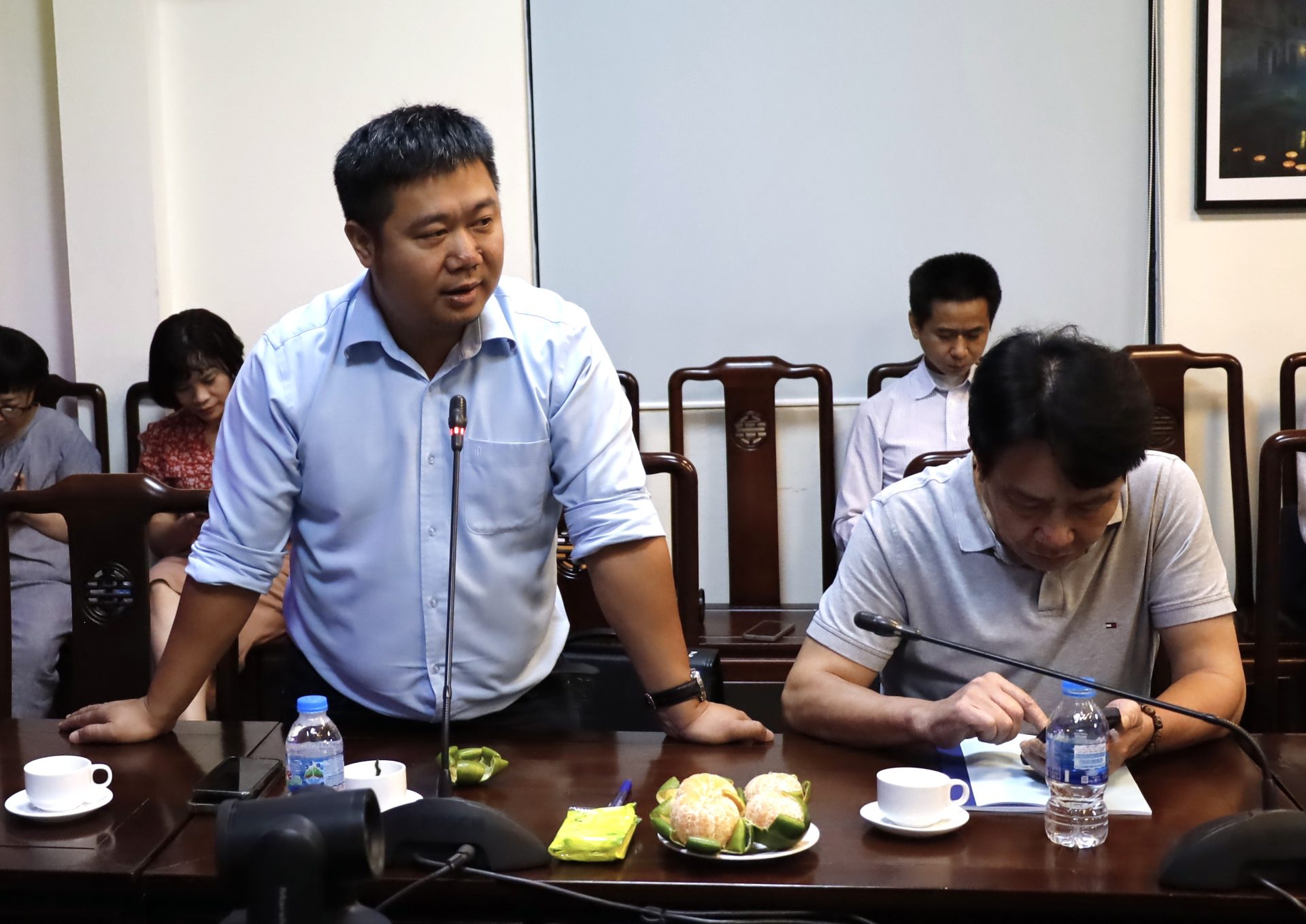
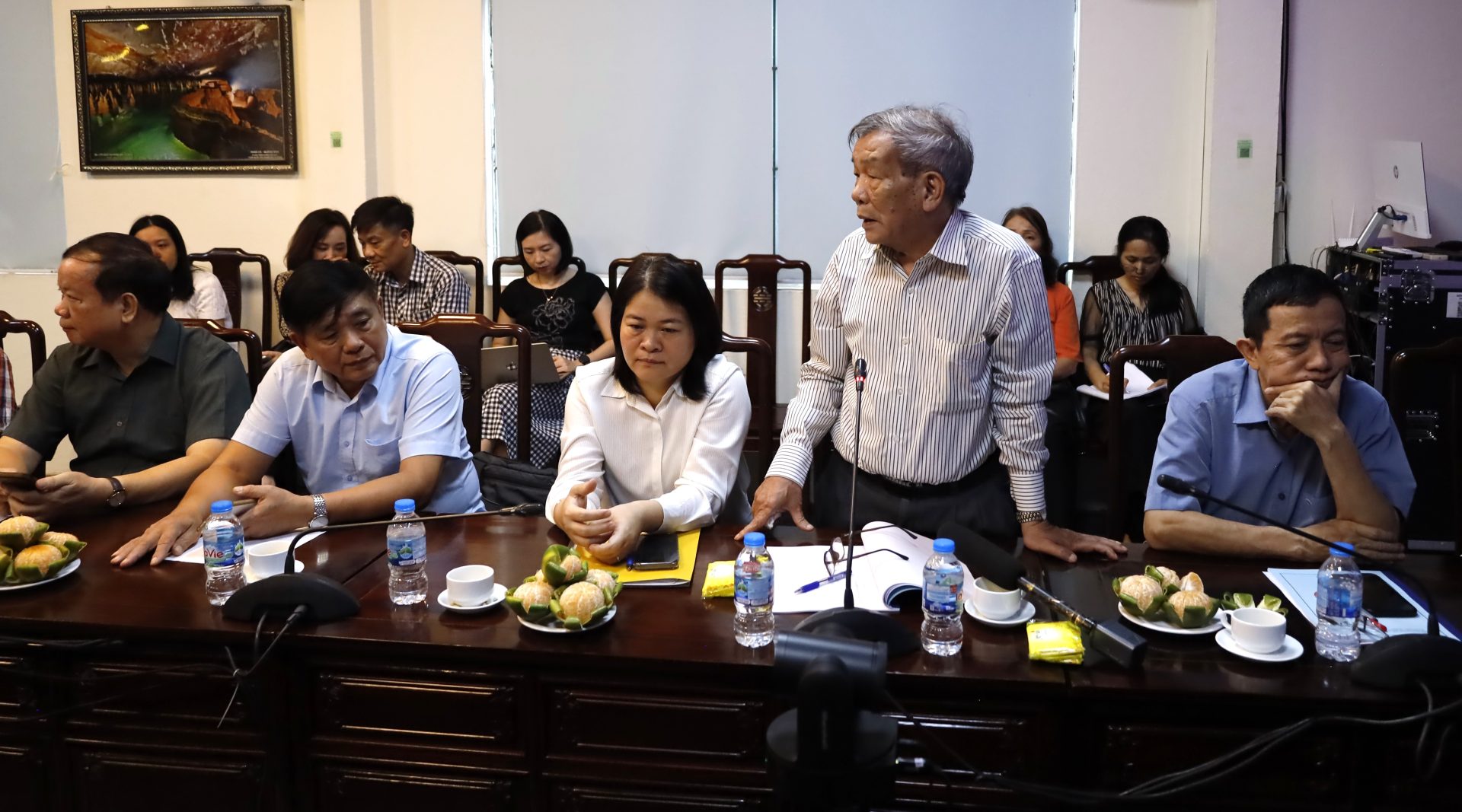
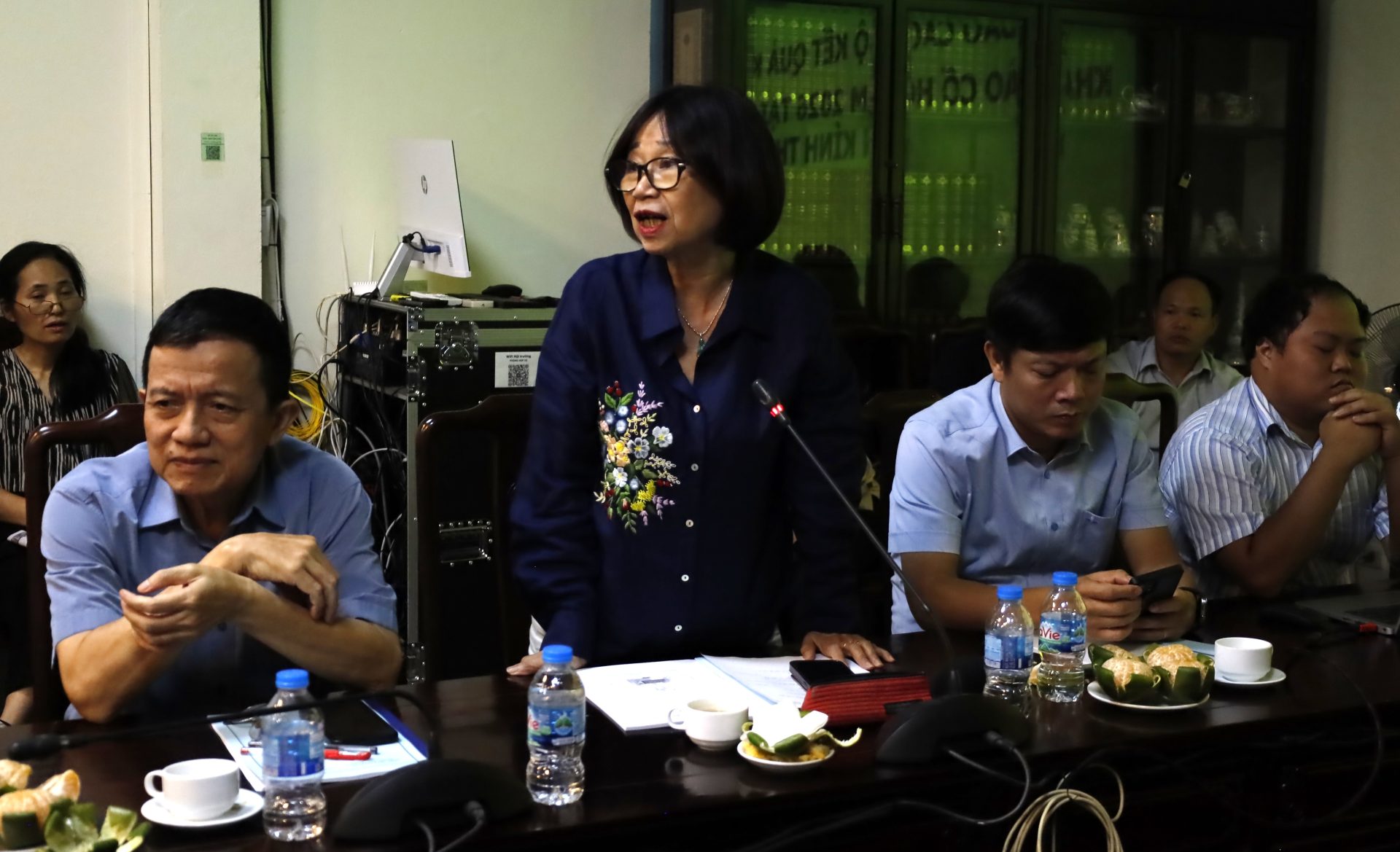
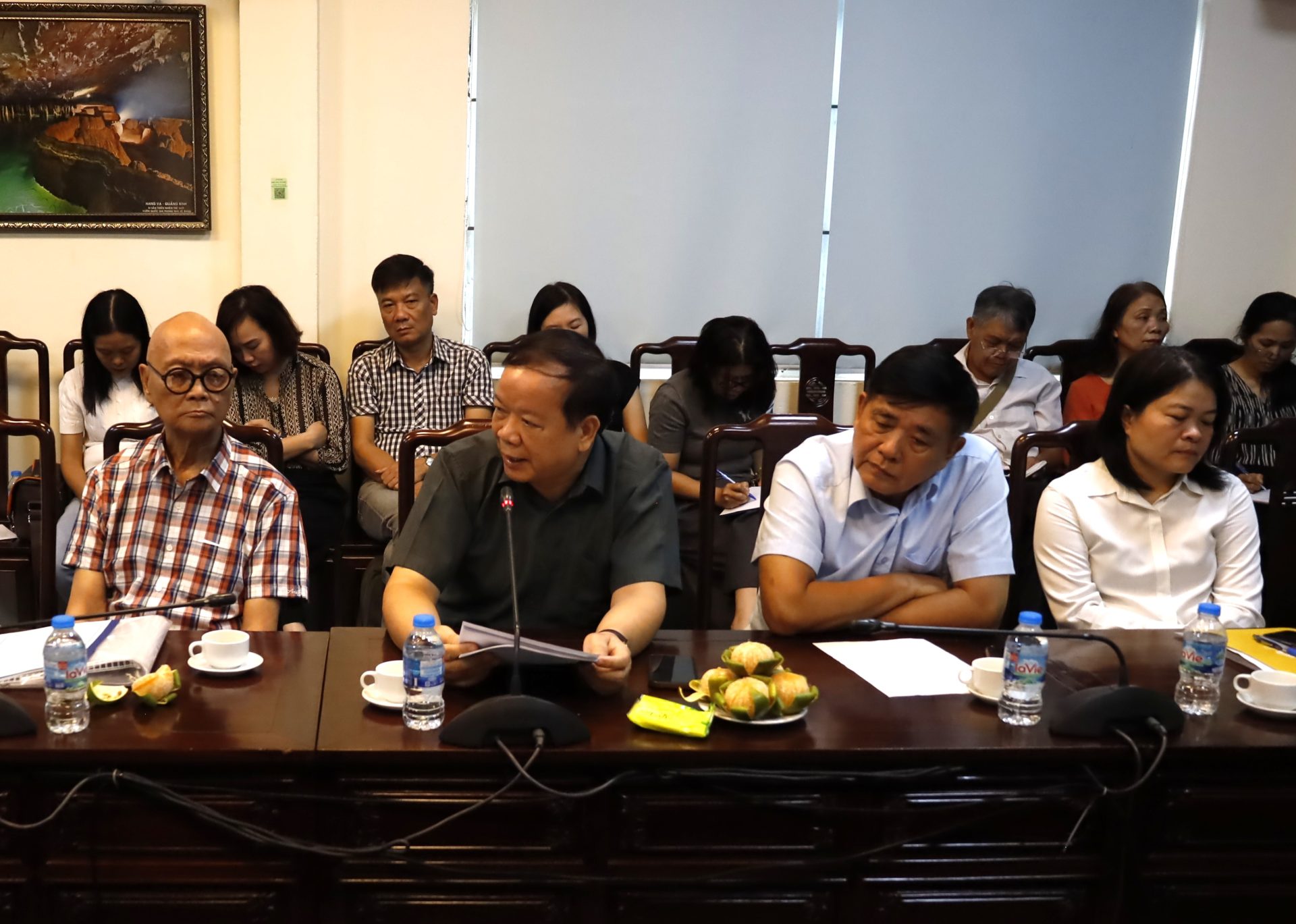
(Selected images from the workshop on the preliminary results of the 2026 exploratory excavations in the Kinh Thien Palace area)
Editorial Board