Tet Flower Street in the space of the Imperial Citadel of Thang Long
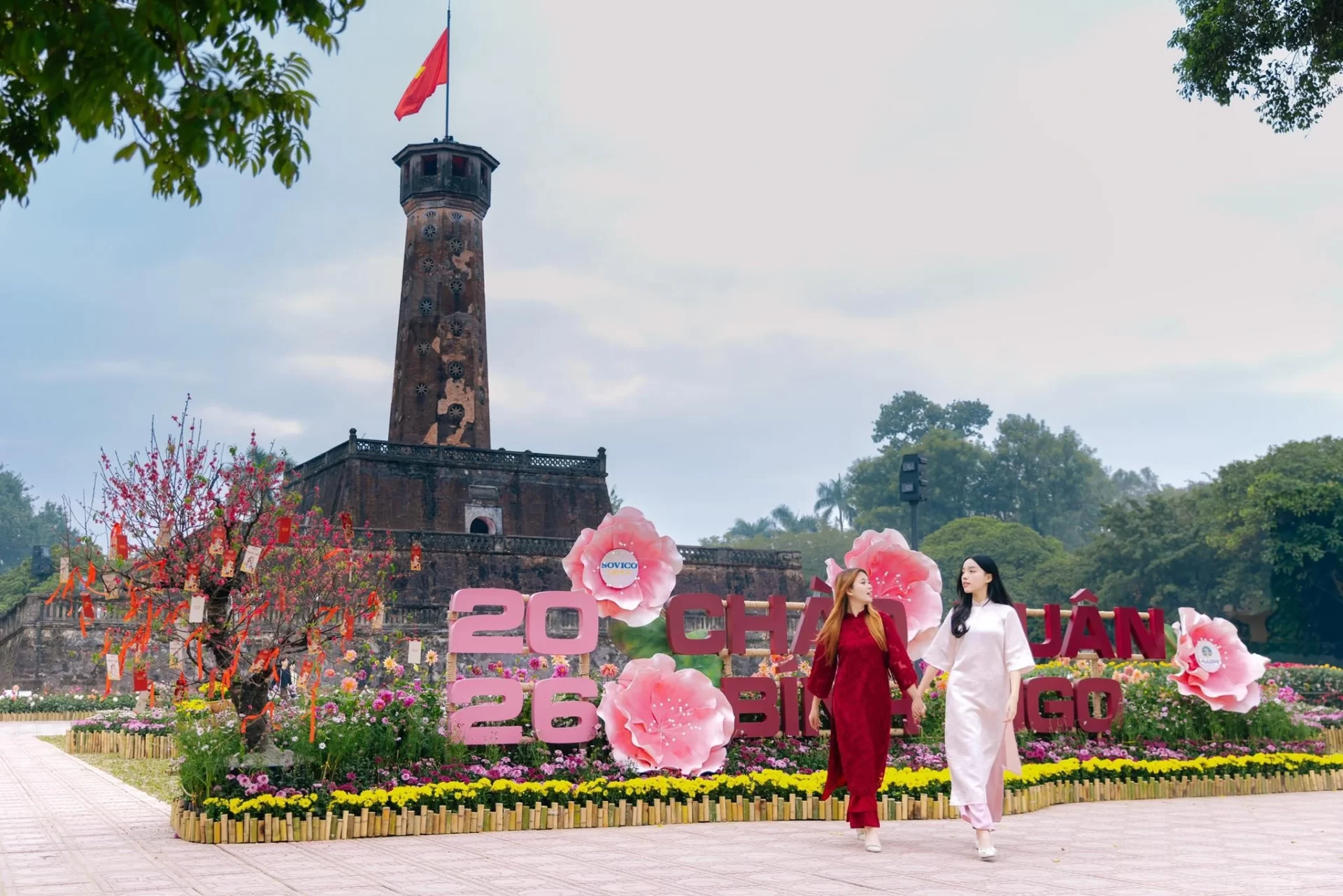
The 2026 Lunar New Year Flower Street is being held for the first time within the heritage site of the Imperial Citadel of Thang Long, taking place from February 10 to 22 (from the 23rd day of the last lunar month of the Year of the Snake to the 6th day of the Lunar New Year of the Year of the Horse). The event features a series of displays, exhibitions, and reenactments of traditional rituals, creating a cultural highlight at the beginning of the new year.
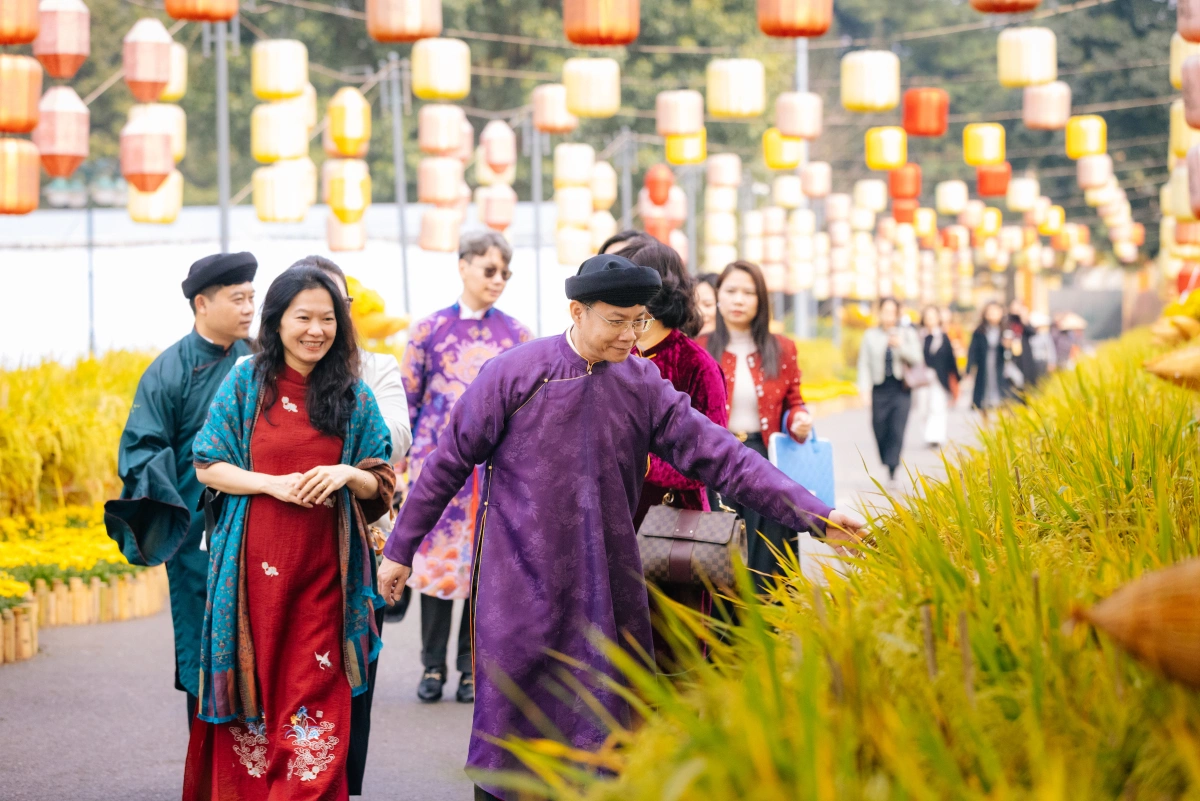
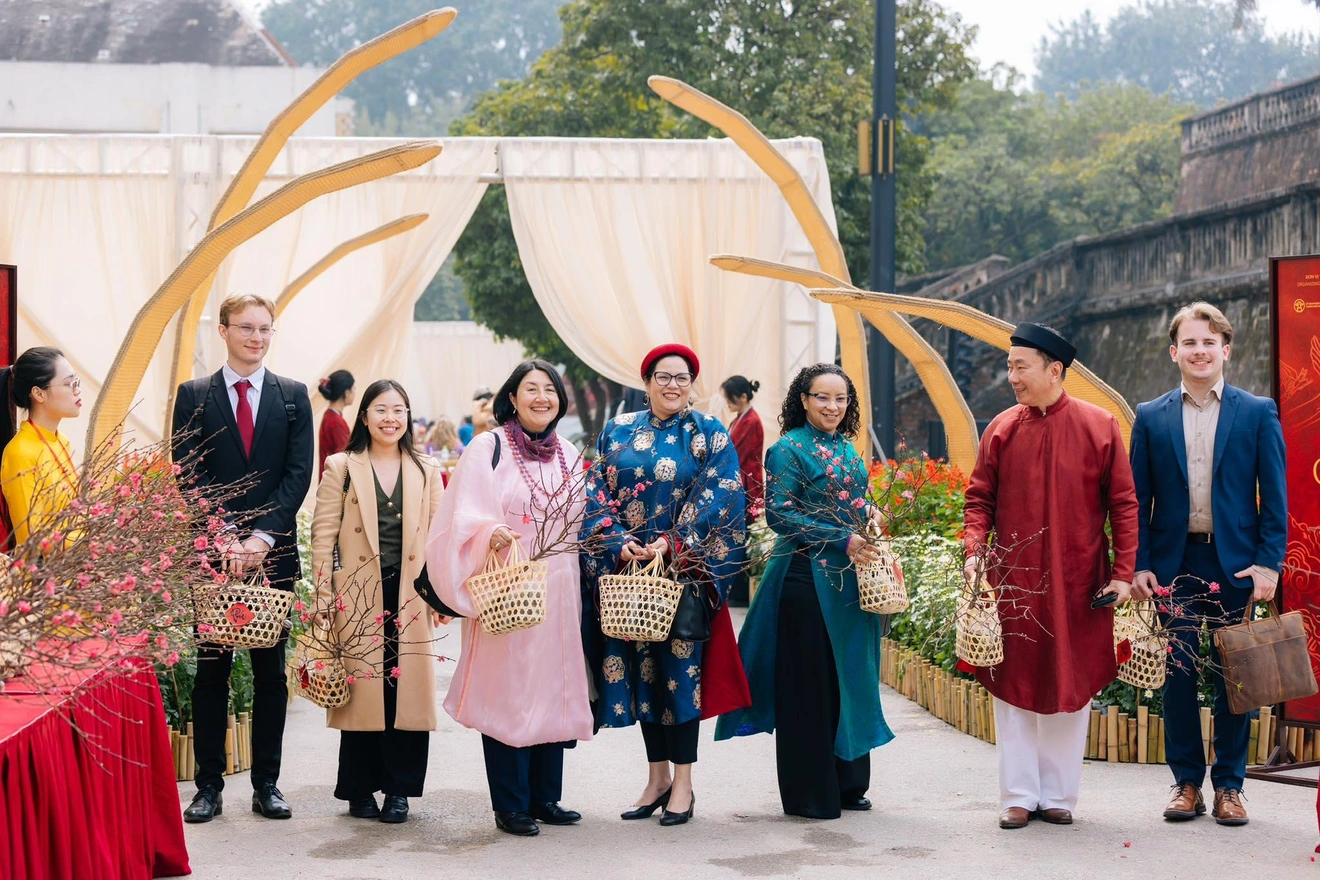
All decorative installations have been designed in strict adherence to conservation principles, without interfering with the architectural structure or the distinctive spatial axis of the heritage site. The primary materials used are bamboo and wood, combined with restrained lighting systems to preserve the solemn character of the monument. In the photo, Mr. Ngo Le Van – Deputy Minister of Foreign Affairs and Chairman of the Vietnam National Commission for UNESCO – visits the Spring Flower Street.
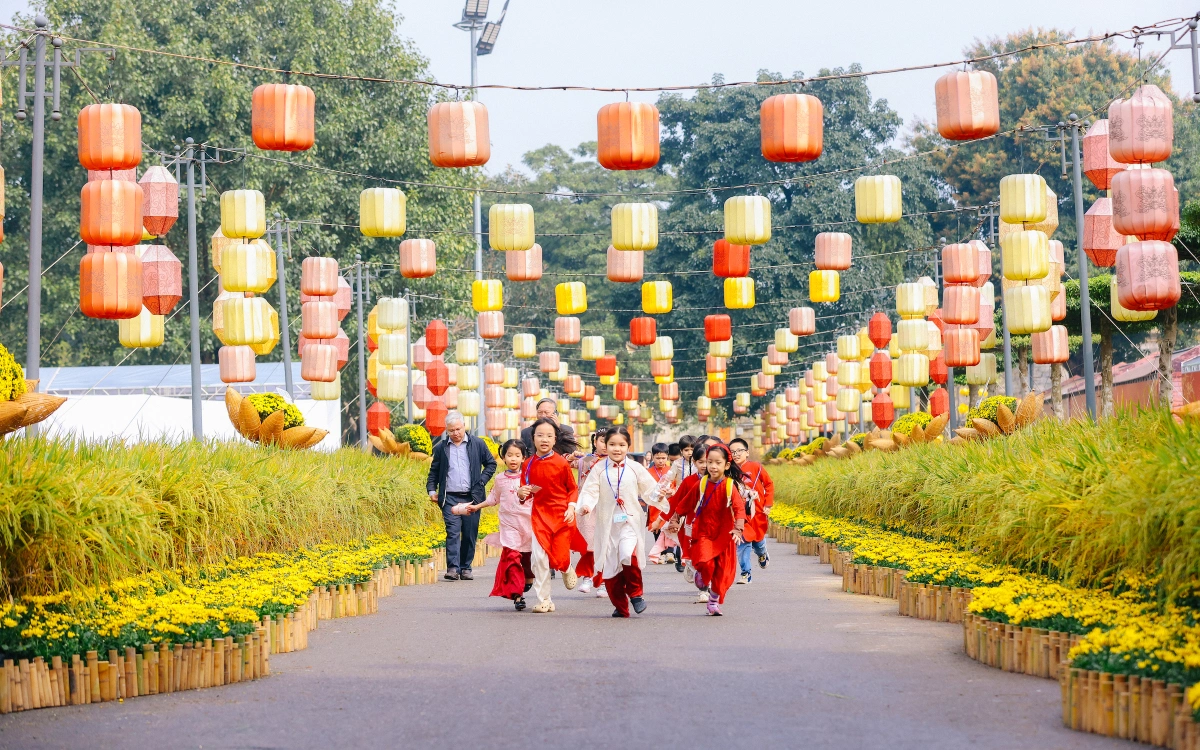
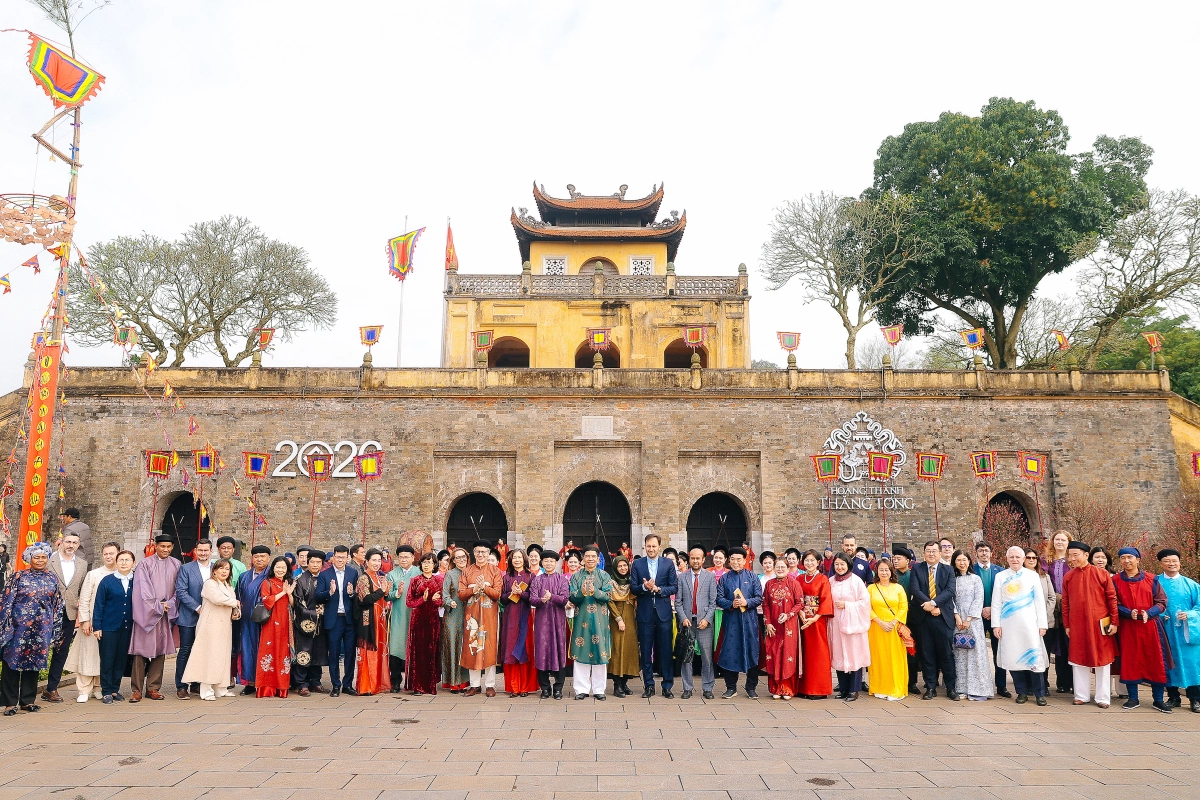
Under the theme “Dawn of Aspiration,” the experiential space is structured into four chapters: Capital – Splendor – Aspiration – Festival, symbolizing the transition between the thousand-year-old imperial history and the aspirations for development in a new era. The site was also selected to welcome ambassadors, spouses, and representatives of diplomatic missions attending the Vietnam Day 2026 Program.
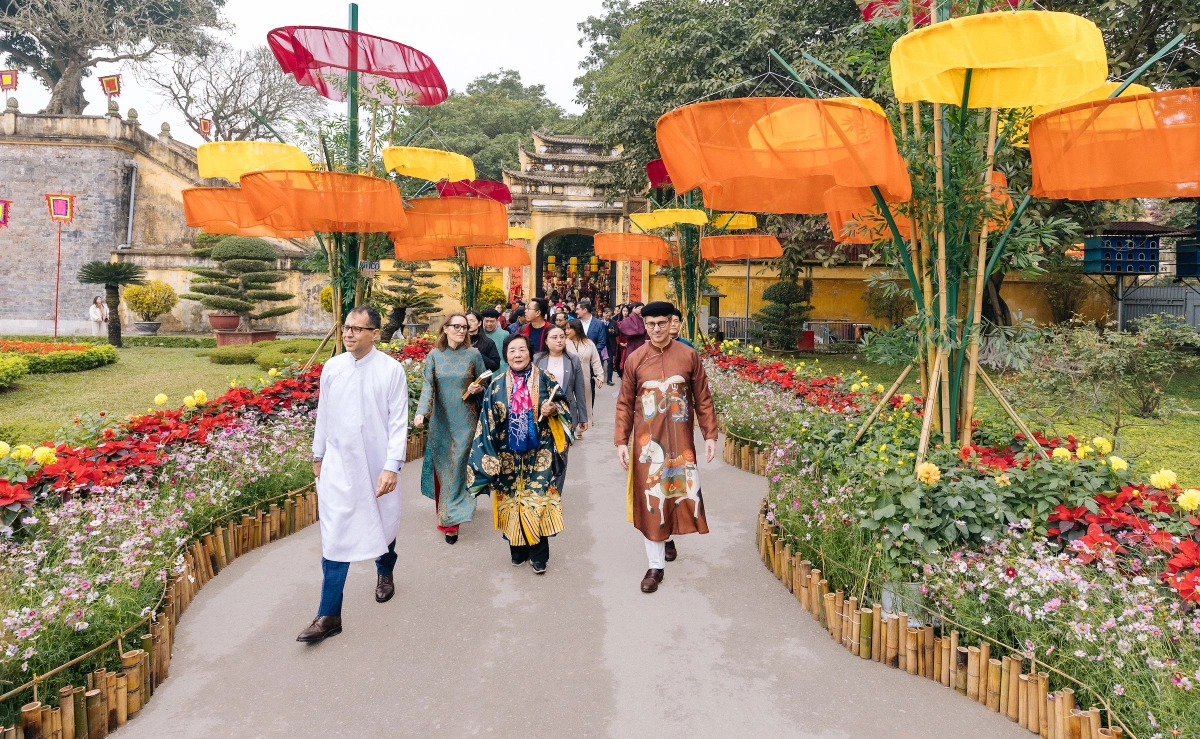
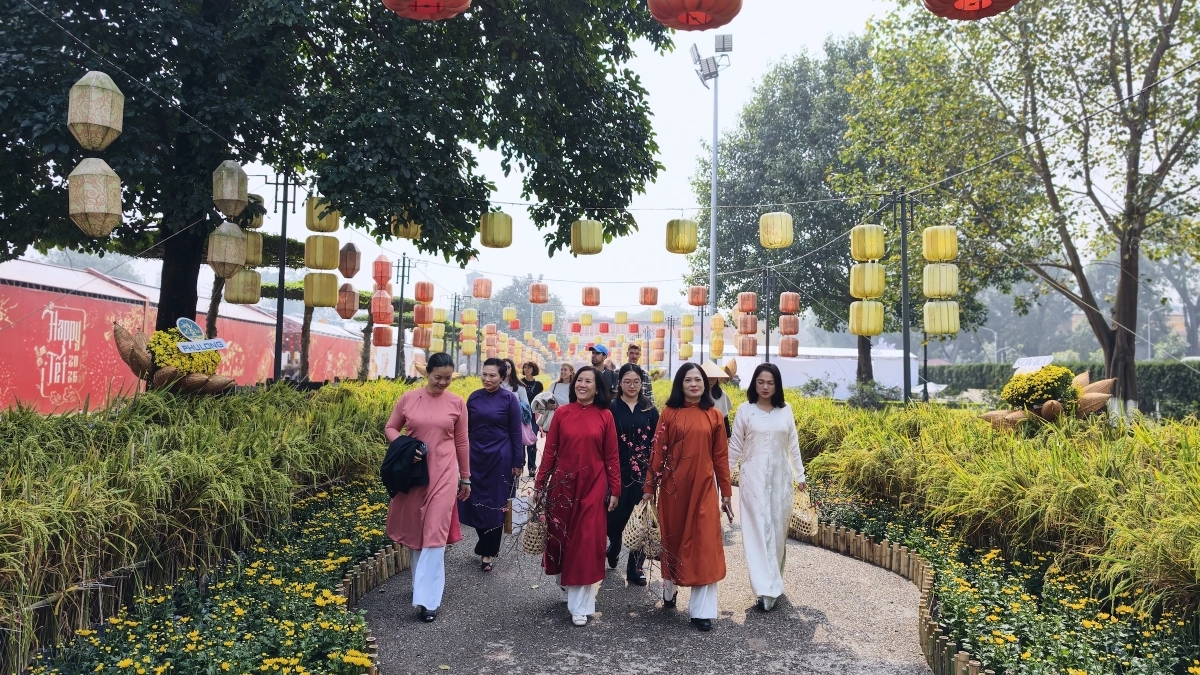
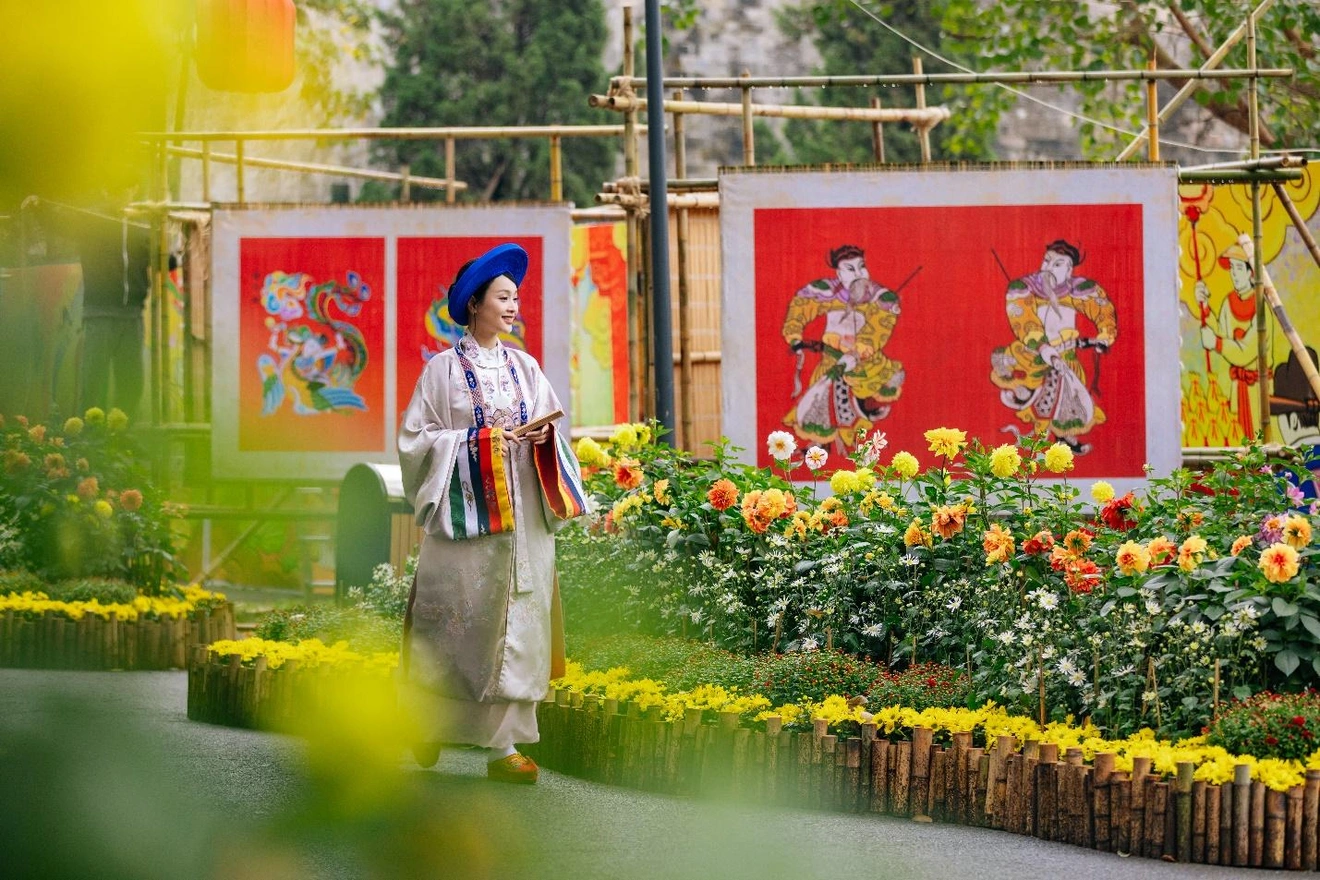
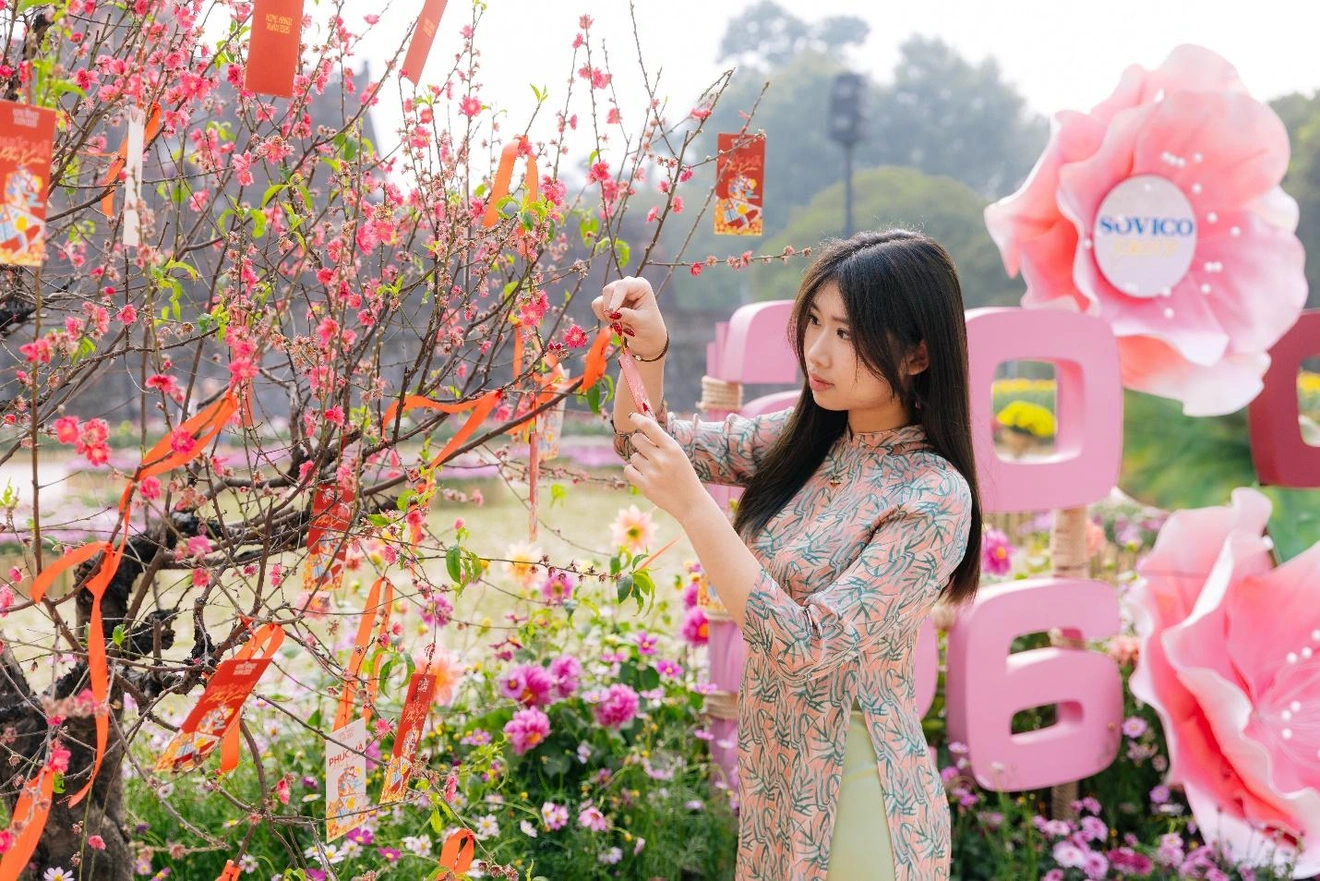
The floral landscape showcases many plants typical of Northern Vietnam’s spring, such as Dien grapefruit trees, kumquat trees, and peach blossoms, interwoven with ripening rice stalks and traditional flower varieties. The multi-layered arrangement is intended to highlight the existing architecture rather than create oversized decorative structures. Mr. Jonathan Wallace Baker, UNESCO Representative to Vietnam (wearing a brown ao dai), along with ambassadors and their spouses, toured the site and expressed their admiration for the flower street.
Under the theme “Dawn of Aspiration,” the experiential space is structured into four chapters: Capital – Splendor – Aspiration – Festival, symbolizing the transition between the thousand-year-old imperial history and the aspirations for development in a new era. The site was also selected to welcome ambassadors, spouses, and representatives of diplomatic missions attending the Vietnam Day 2026 Program.
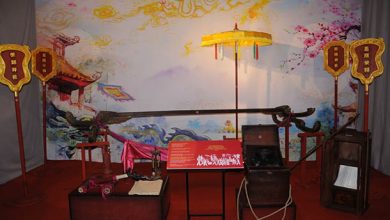
In addition to the flower street, numerous cultural activities celebrating the Lunar New Year are being organized at the Imperial Citadel of Thang Long. The thematic exhibition space includes a traditional Tet area that recreates the festive life of residents in the ancient capital with various customary practices. This is followed by a ceremonial space dedicated to the Later Le Dynasty, introducing representative royal rituals through panels, paintings, and reconstructed models. The photo exhibition “Tet in Memory,” together with displays on Vietnam’s cultural heritage, provides further documentation of Tet celebrations across different historical periods and preservation efforts.
Recognized by UNESCO as a World Cultural Heritage Site in 2010, the Imperial Citadel of Thang Long reflects more than a millennium of imperial history. Introducing the flower street model into the heritage site is considered an innovative approach to promoting the site’s value, enabling residents and visitors to experience traditional Tet within the thousand-year historical context of Thang Long – Hanoi, while reinforcing its role in promoting Vietnamese culture to the international community.
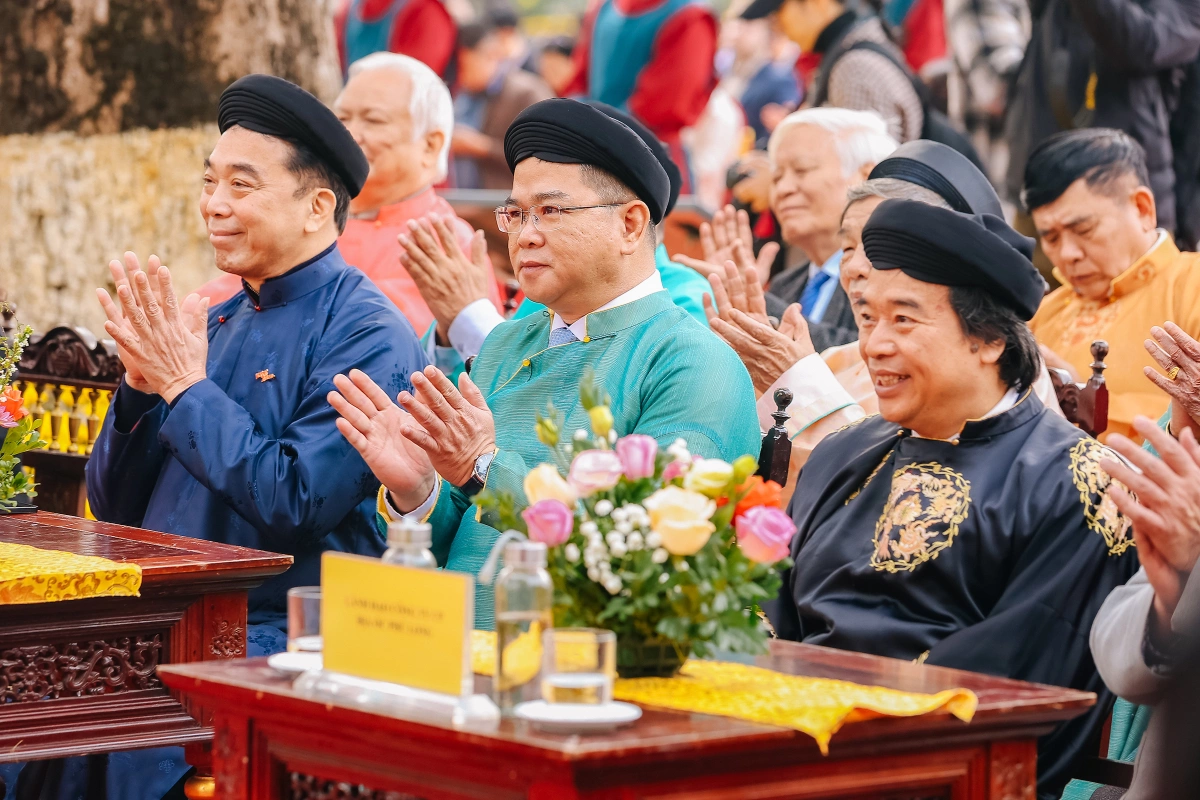
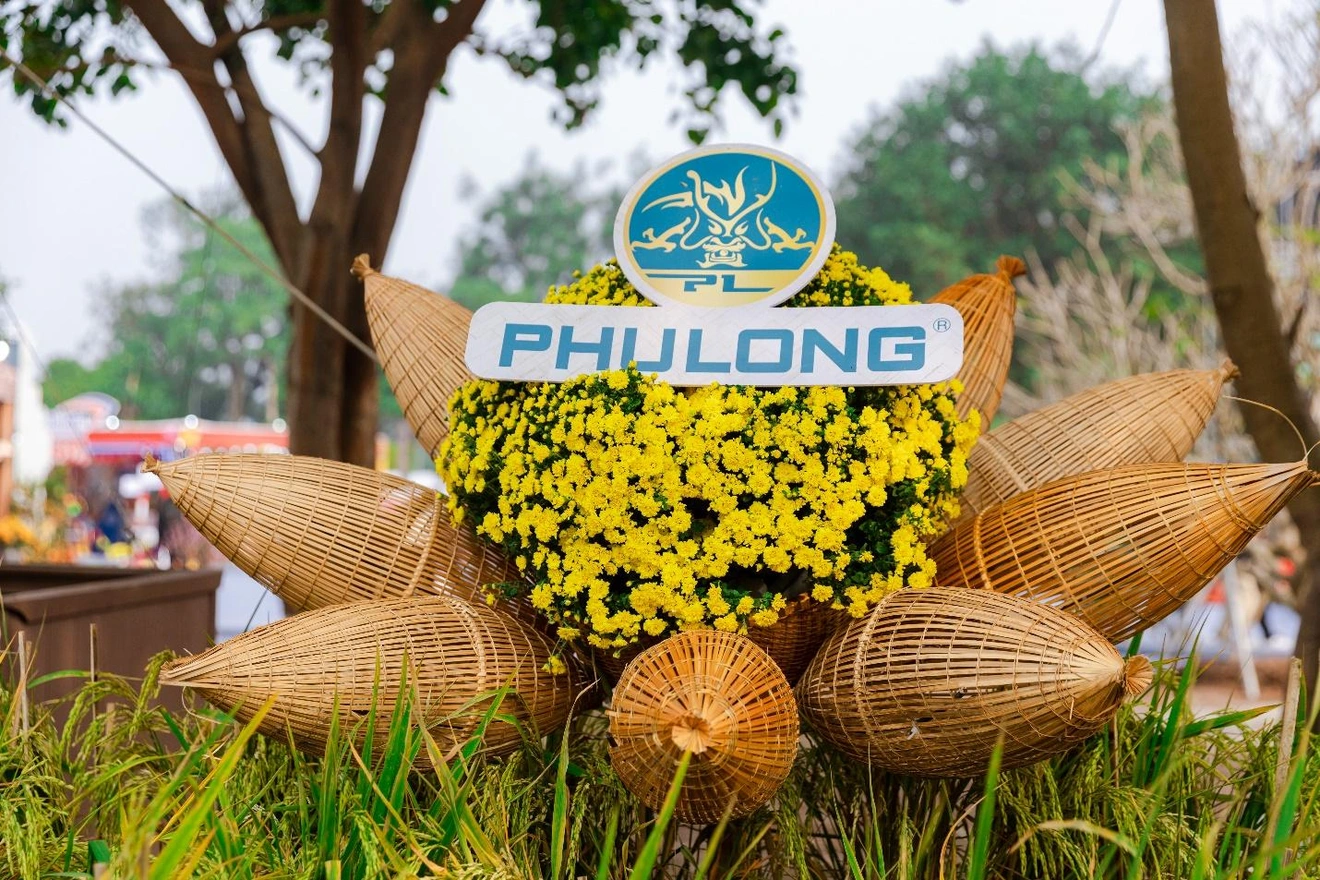
The event is organized by the Thang Long – Hanoi Heritage Conservation Center in collaboration with Sovico Group and Phu Long Real Estate Corporation, demonstrating the active participation of businesses in supporting cultural and heritage activities, thereby spreading traditional Tet values to the community and international friends.
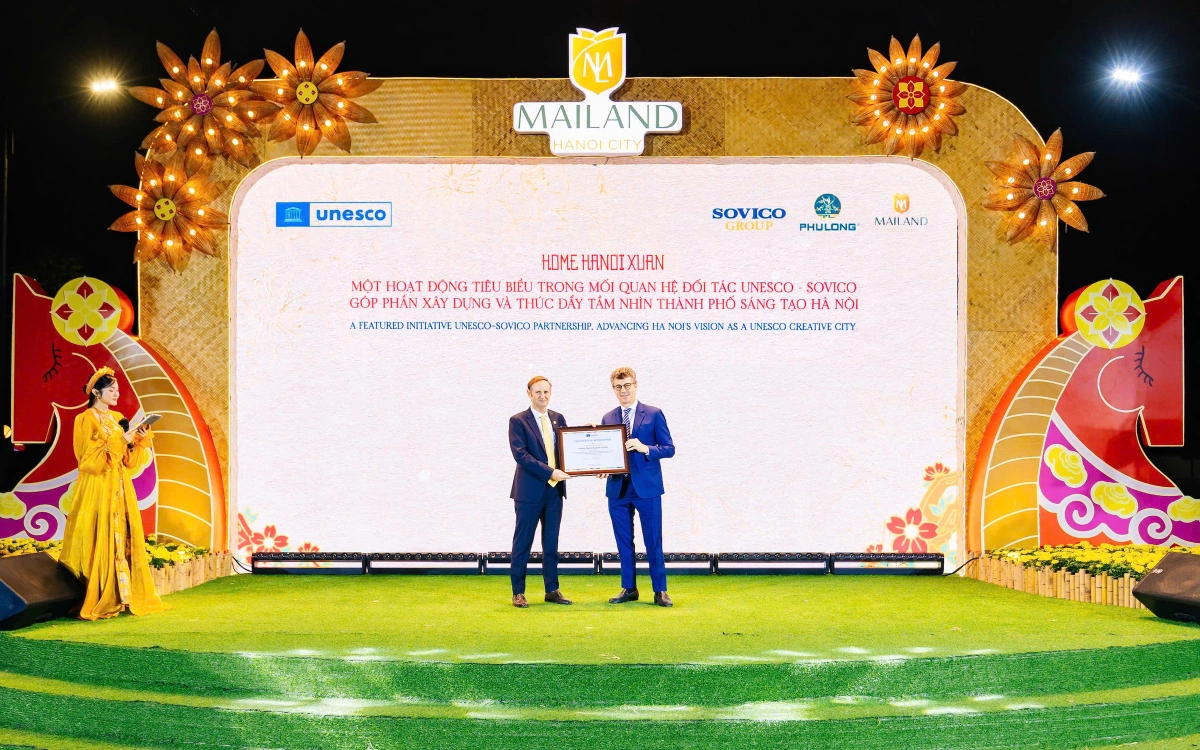
Previously, at an event held on February 7, the Home Hanoi Xuan Flower Street at Mailand Hanoi City received UNESCO recognition as an outstanding initiative, acknowledging its contributions to implementing Hanoi’s vision and action plan as a member of the UNESCO Creative Cities Network, as well as its contemporary approach to reinterpreting and revitalizing cultural heritage.
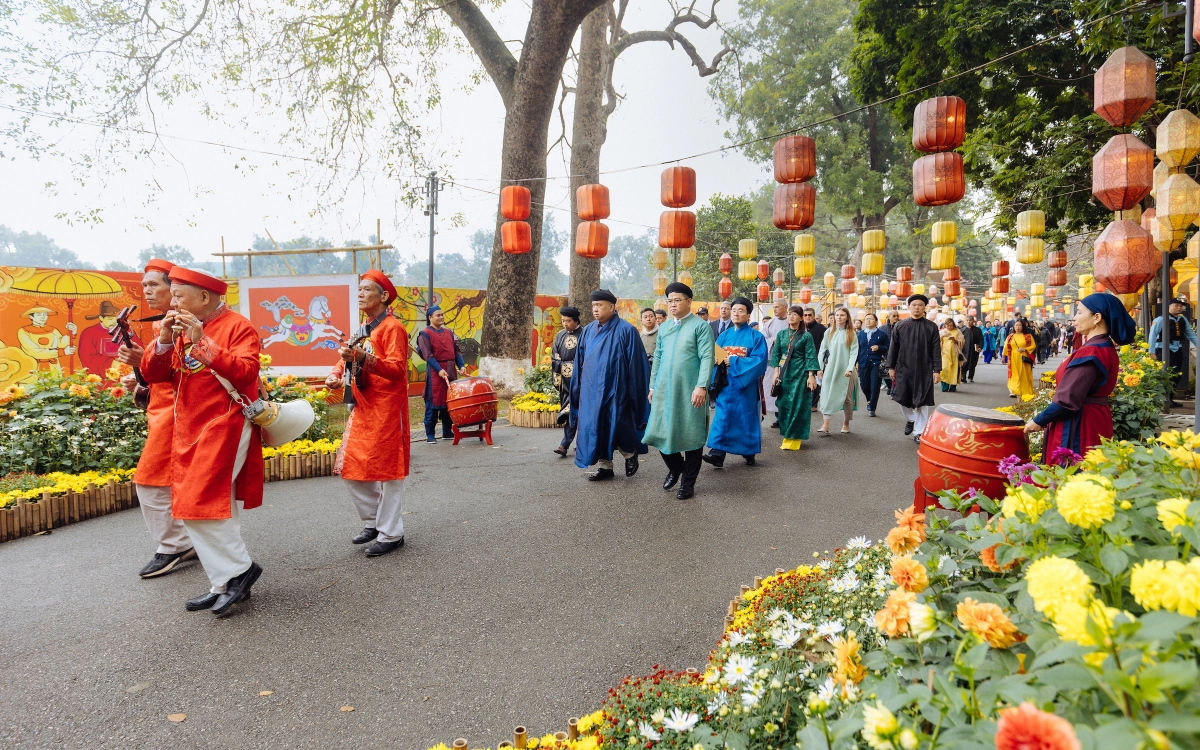
A representative of Phu Long shared: “For us, sustainable development goes hand in hand with the responsibility to preserve and promote cultural and heritage values. Our participation in developing the Tet Flower Street at the Imperial Citadel of Thang Long has been carried out with full respect for the heritage space, while contributing to promoting an image of Vietnam that is rich in identity, humane, and open to international friends.”
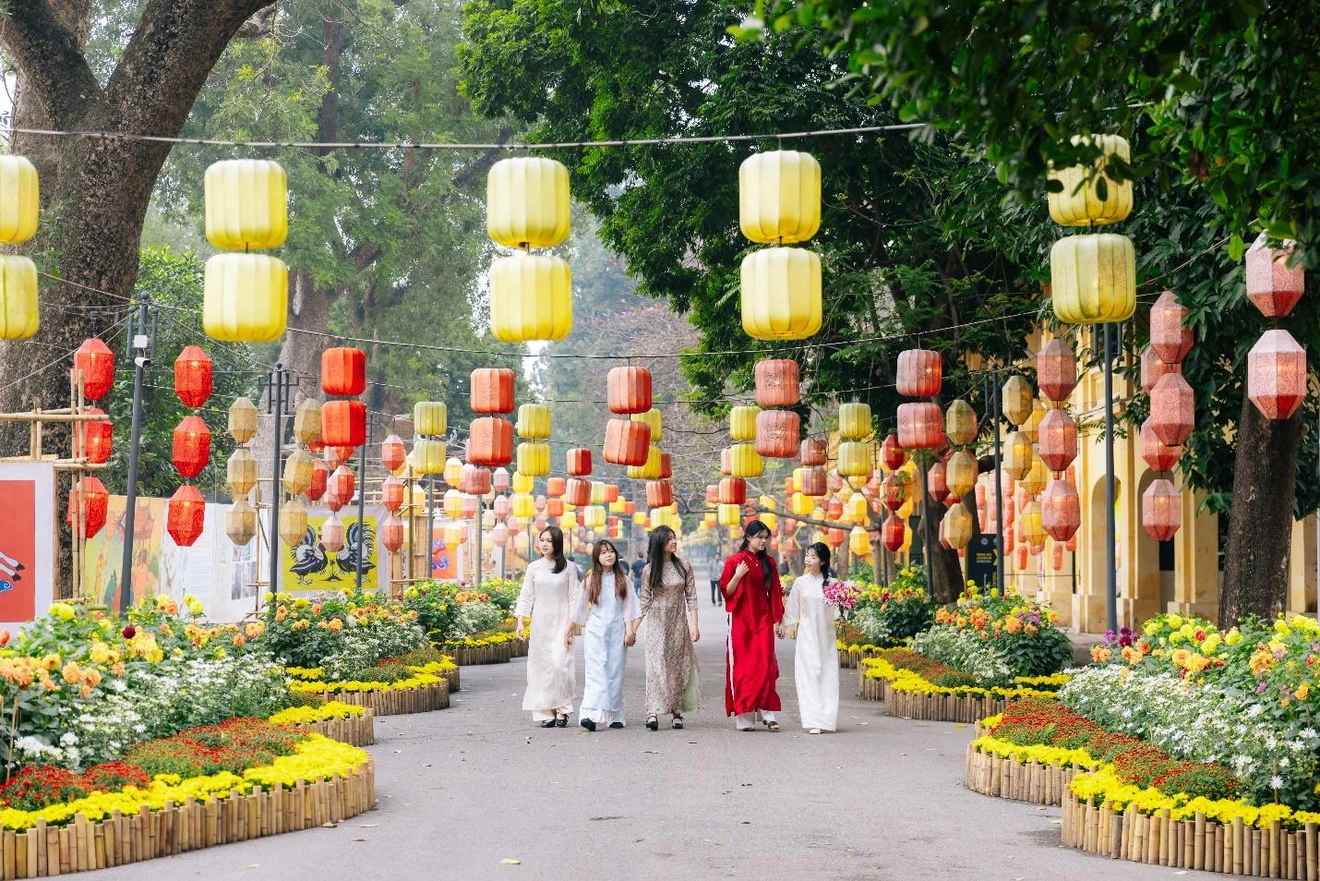
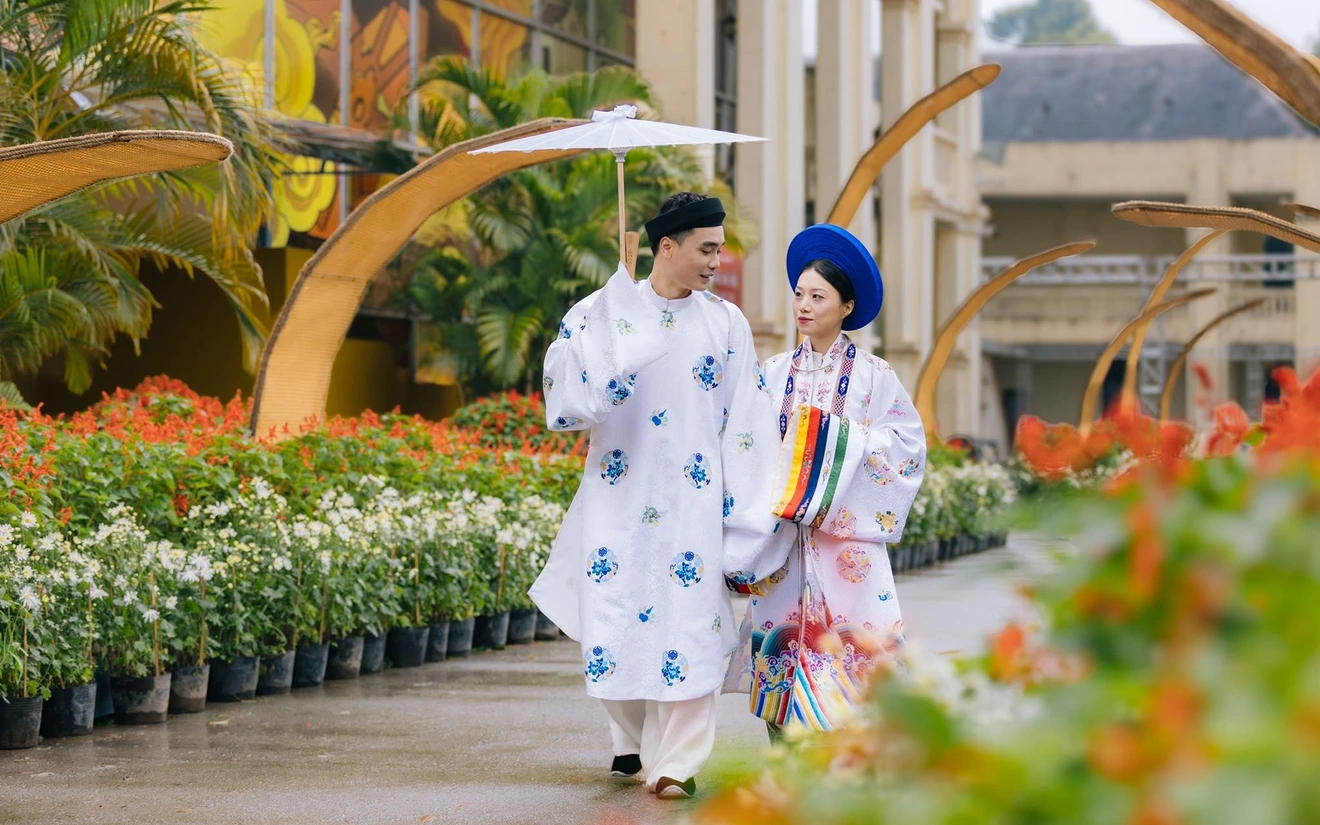
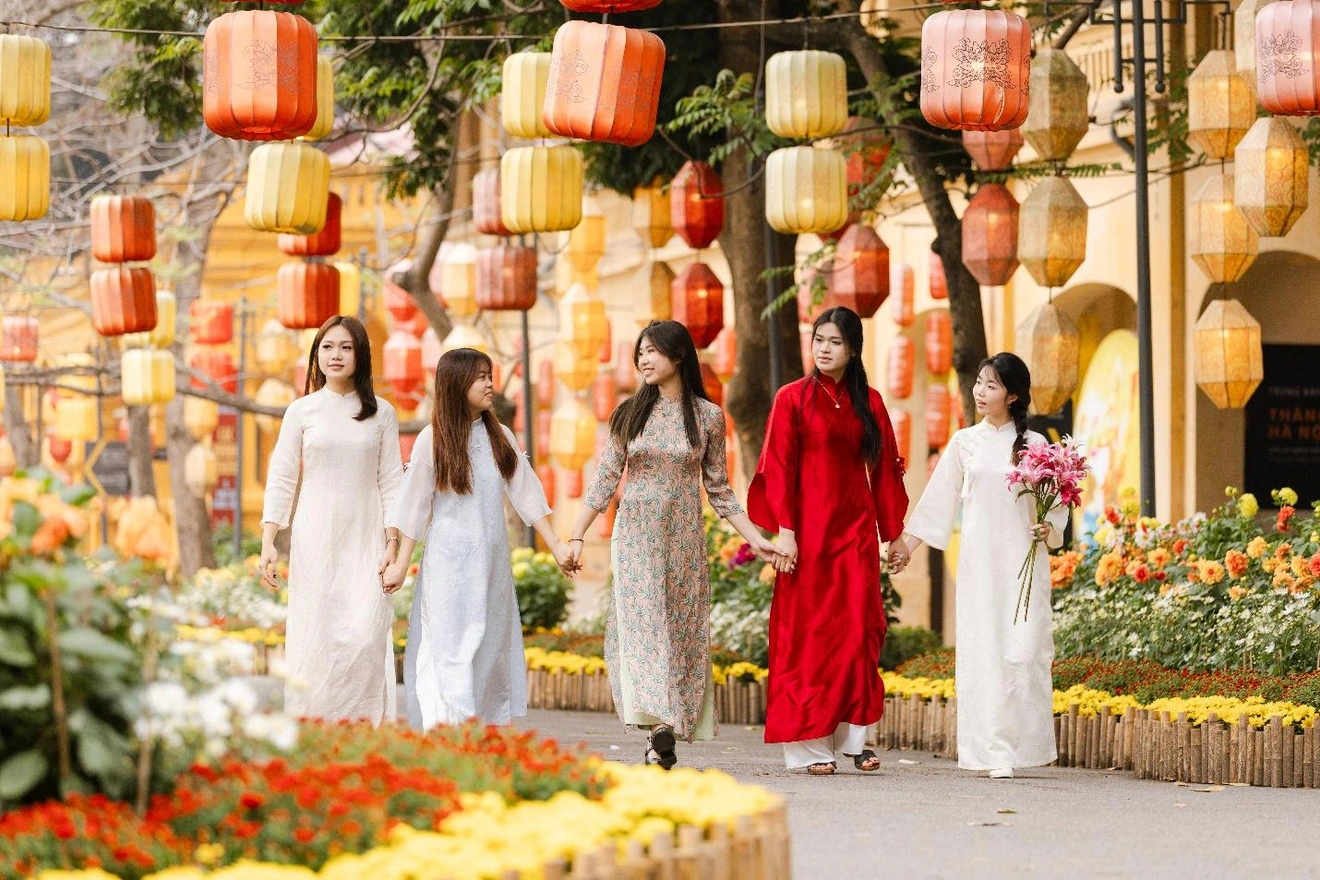
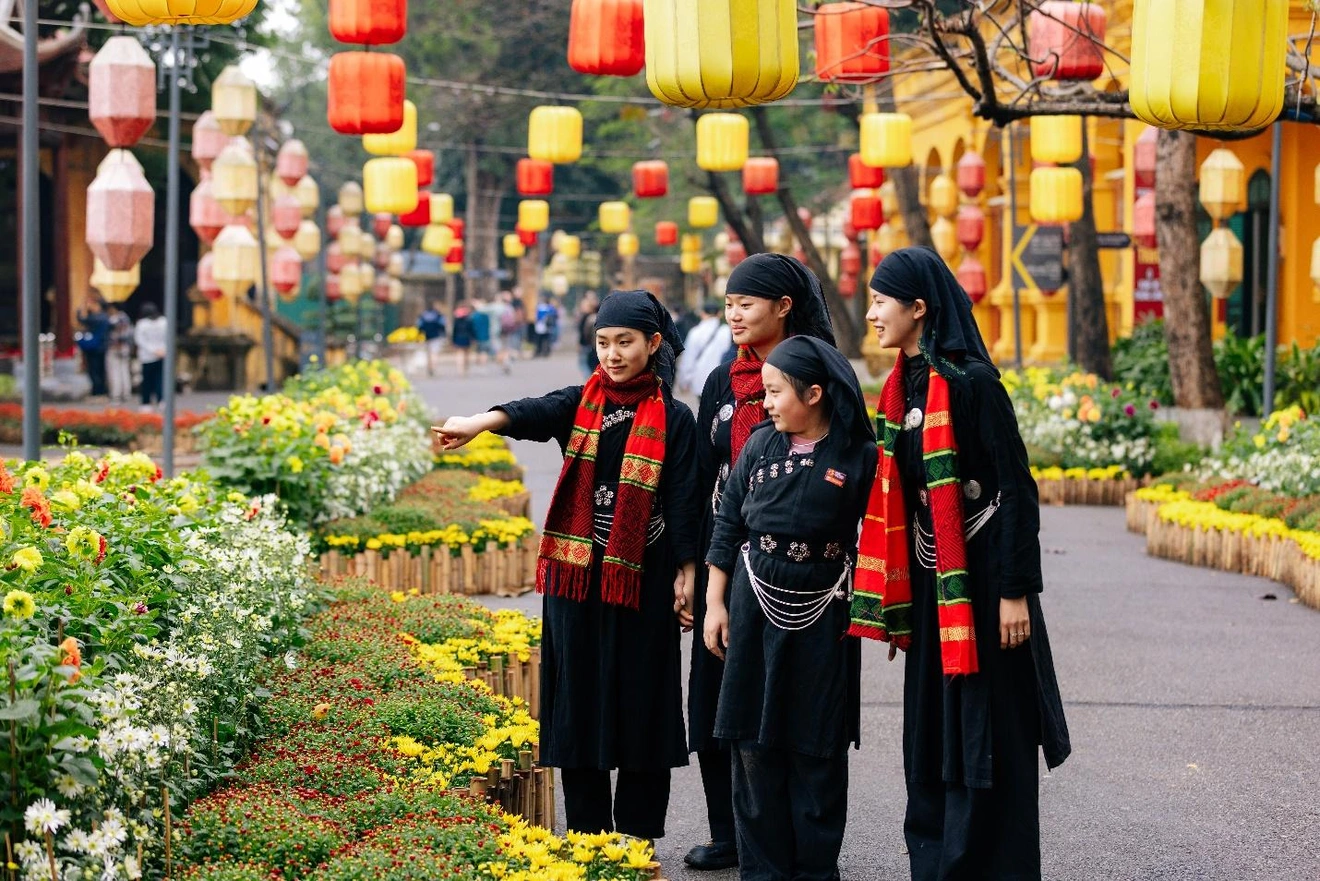
Additional images from the 2026 Tet Flower Street event:


NTT