Thang Long Imperial Citadel: A Heritage Site Connecting ASEAN
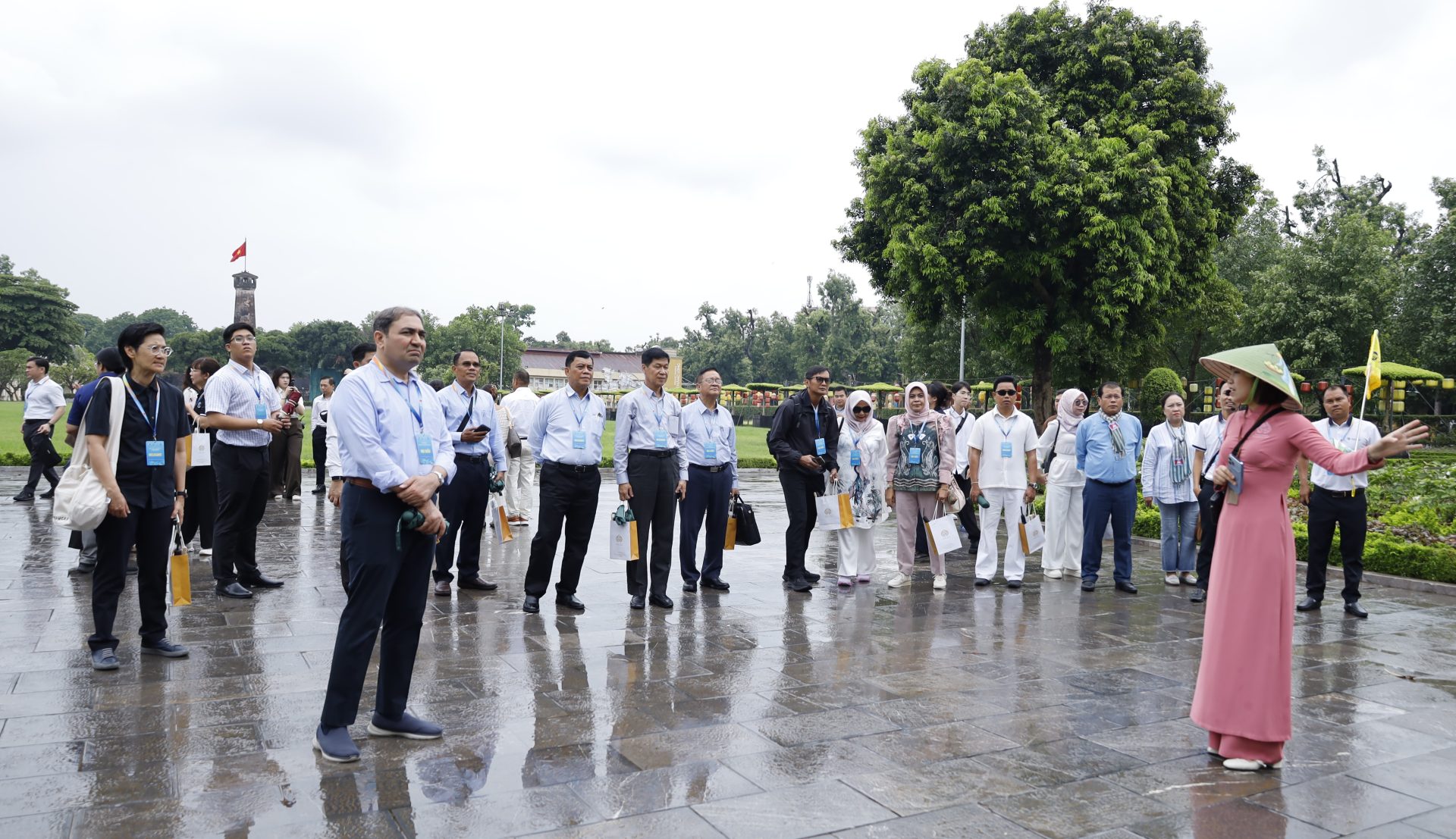
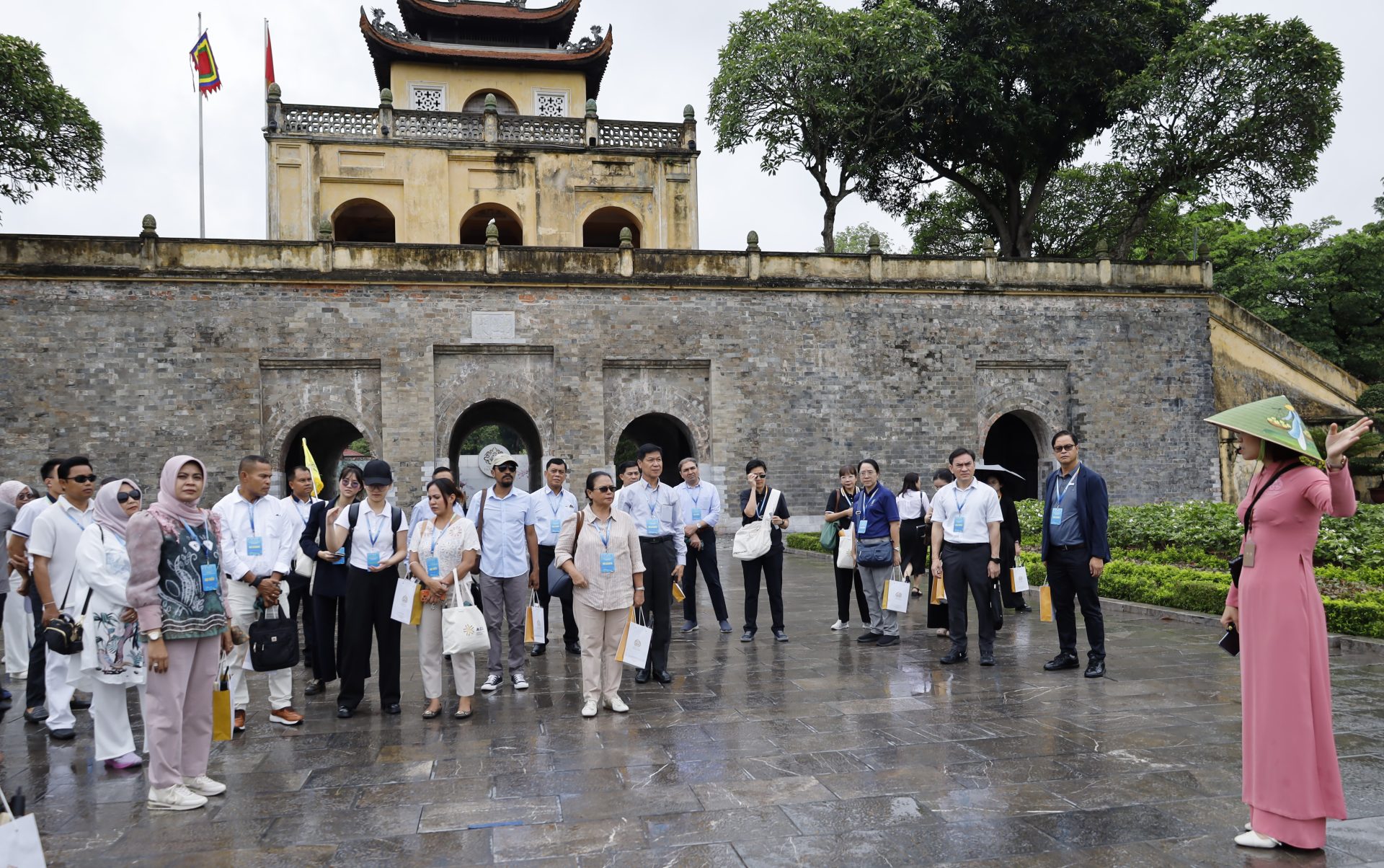
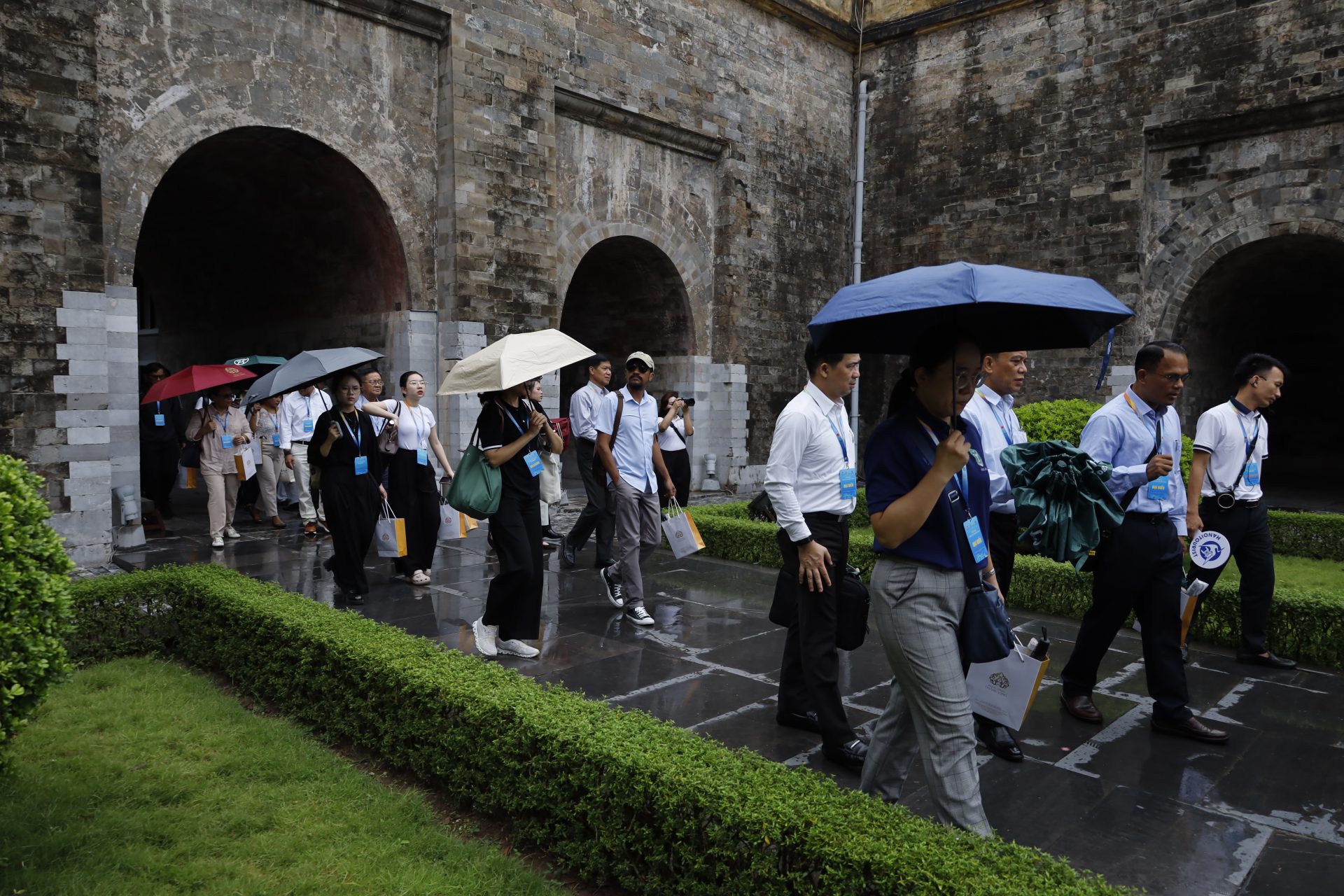
On the morning of June 9, 2026, as part of the ASEAN Mayors Forum held in Hanoi, a delegation of international and Vietnamese representatives paid a visit and conducted a site survey at the World Heritage Site of Thang Long Imperial Citadel. The visit was one of the key activities of the Forum, introducing the distinctive historical and cultural values of Hanoi to international friends while strengthening exchanges, cooperation, and connectivity between Hanoi and localities across the ASEAN region.
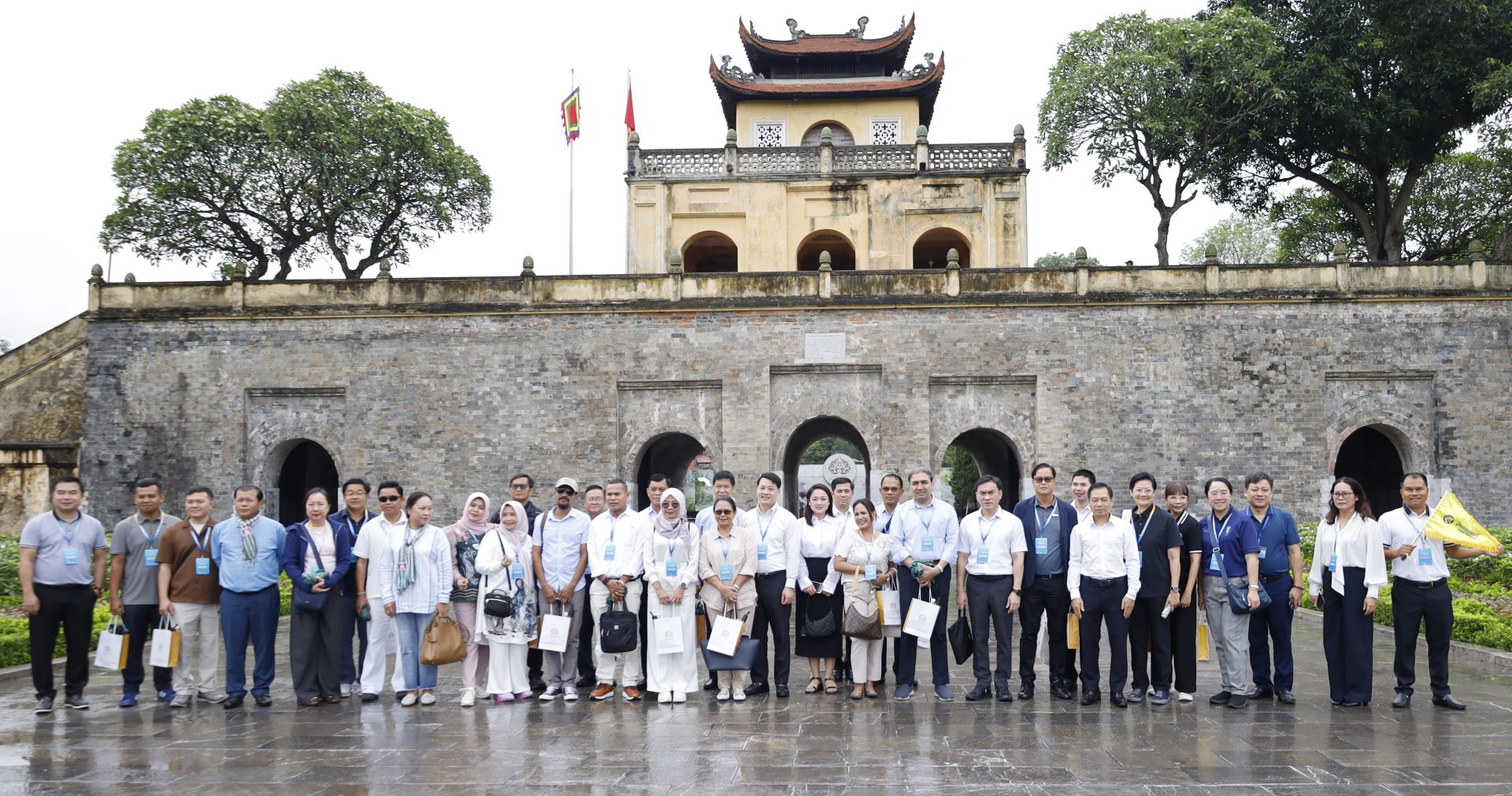
The programme brought together leaders and representatives of cities and localities from many ASEAN countries, including Luong Pha Bang and Vientiane (Laos); Siem Reap and Preah Sihanouk (Cambodia); Yangon and Mandalay (Myanmar); Bangkok (Thailand); Dili and Baucau–Manufahi (Timor-Leste); and Sumedang (Indonesia), together with experts from the Economic Research Institute for ASEAN and East Asia (ERIA), leaders of the ASEAN Smart Cities Network, and the Director of the Center for Sustainable Development and Innovation. The programme was also attended by representatives of ASEAN embassies in Vietnam, leaders of provinces and cities across Vietnam, and numerous Vietnamese delegates. At a time when ASEAN countries are strengthening regional connectivity, promoting sustainable development, and advancing smart cities, the visit to the Thang Long Imperial Citadel held particular significance in introducing international delegates to one of Vietnam’s representative cultural heritage sites, where historical values, cultural traditions, and national identity have been preserved and safeguarded over many centuries.
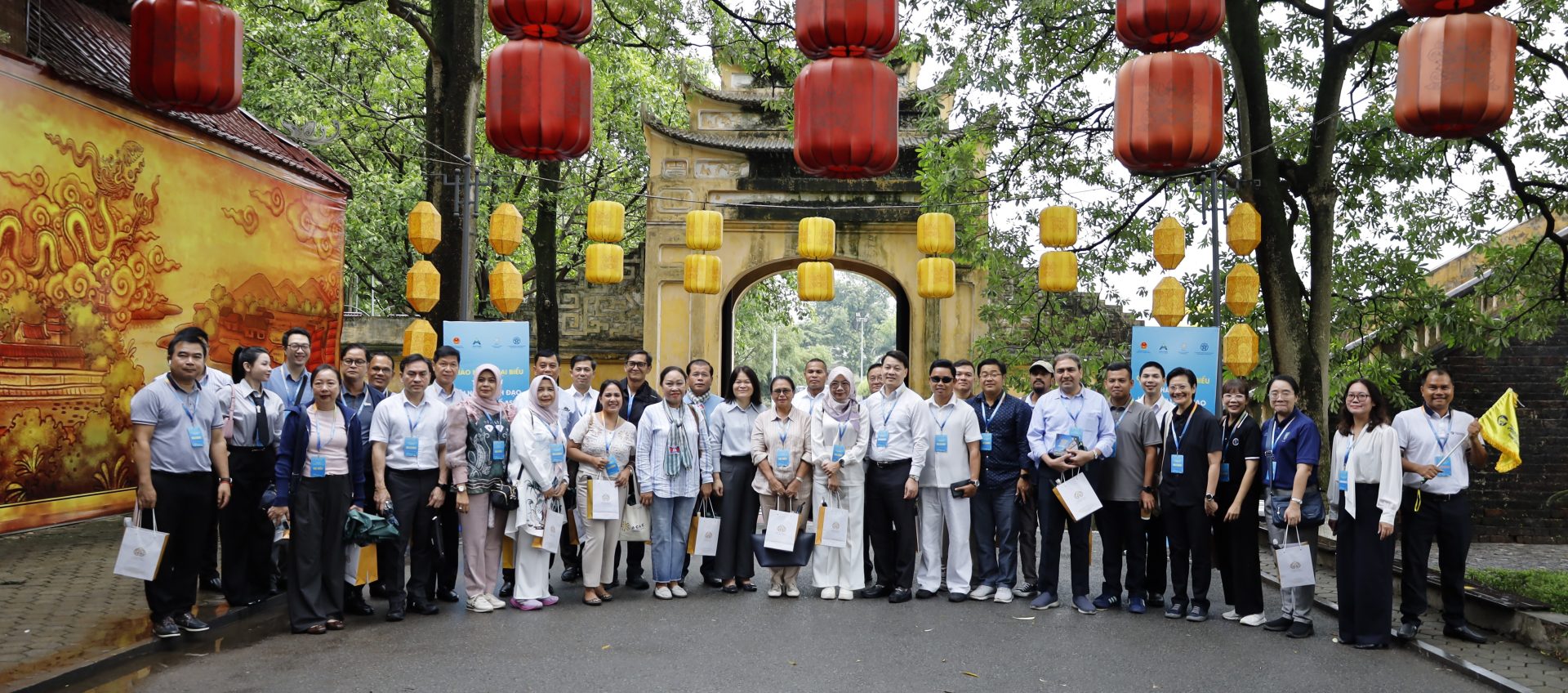
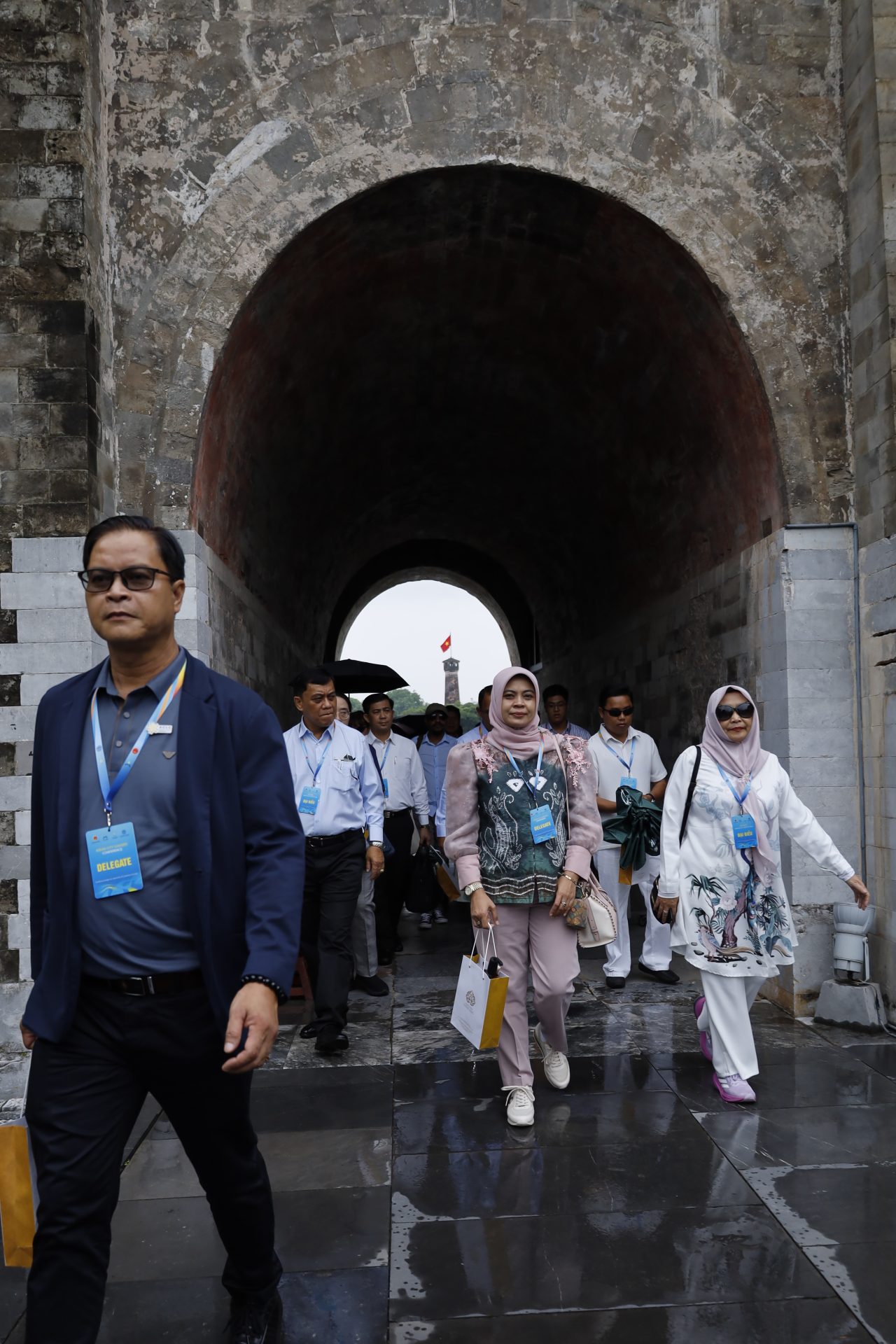
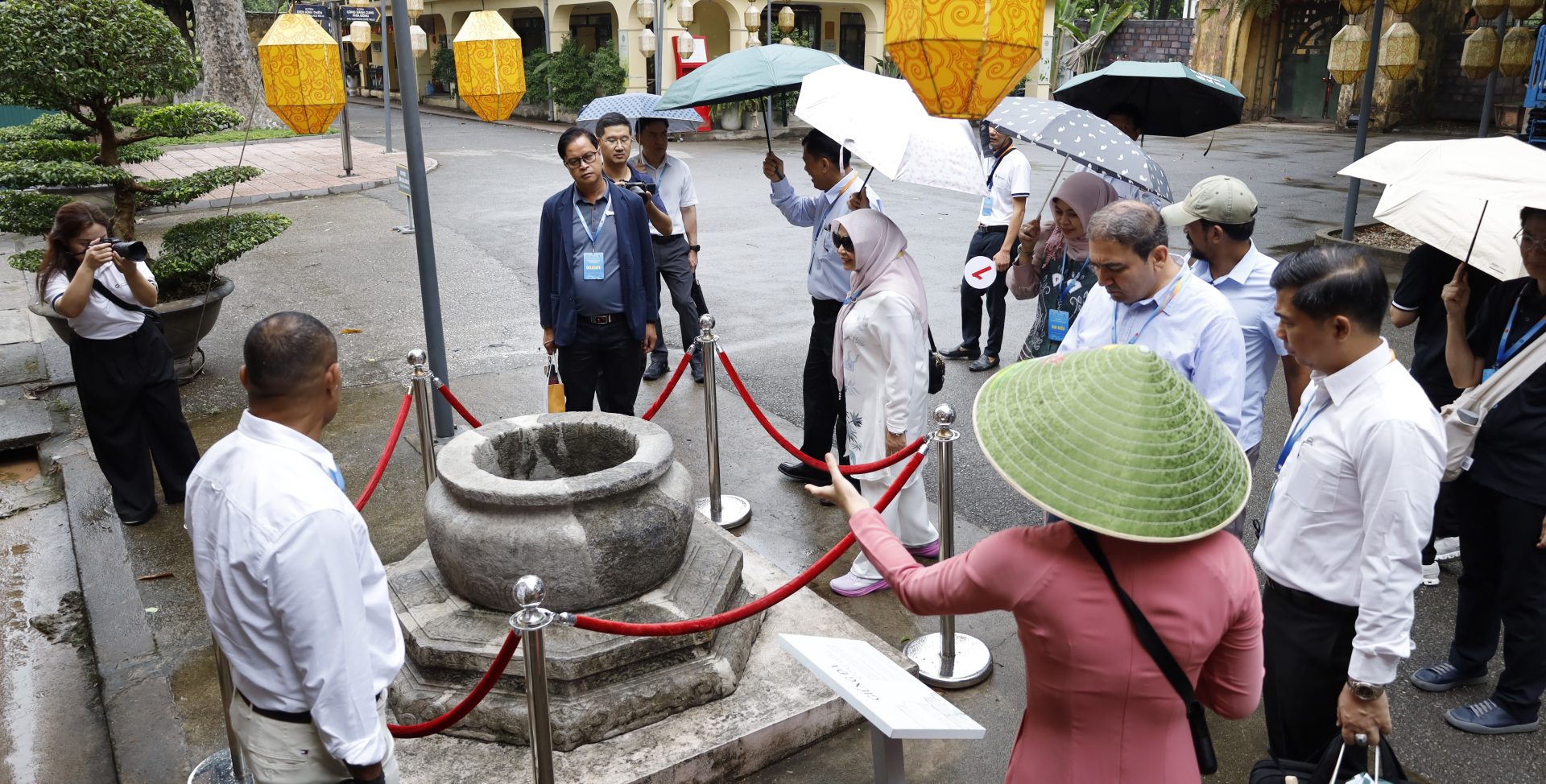
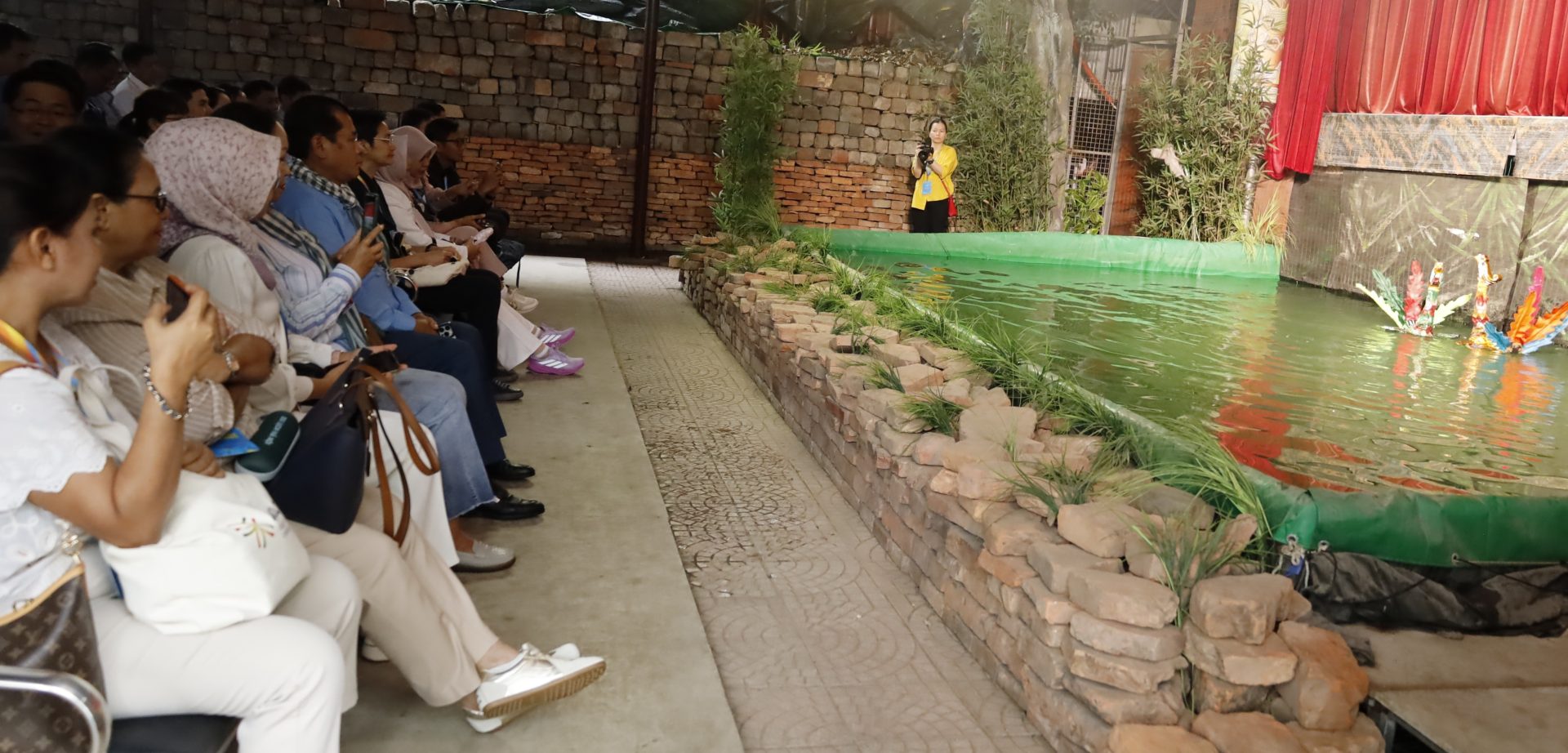
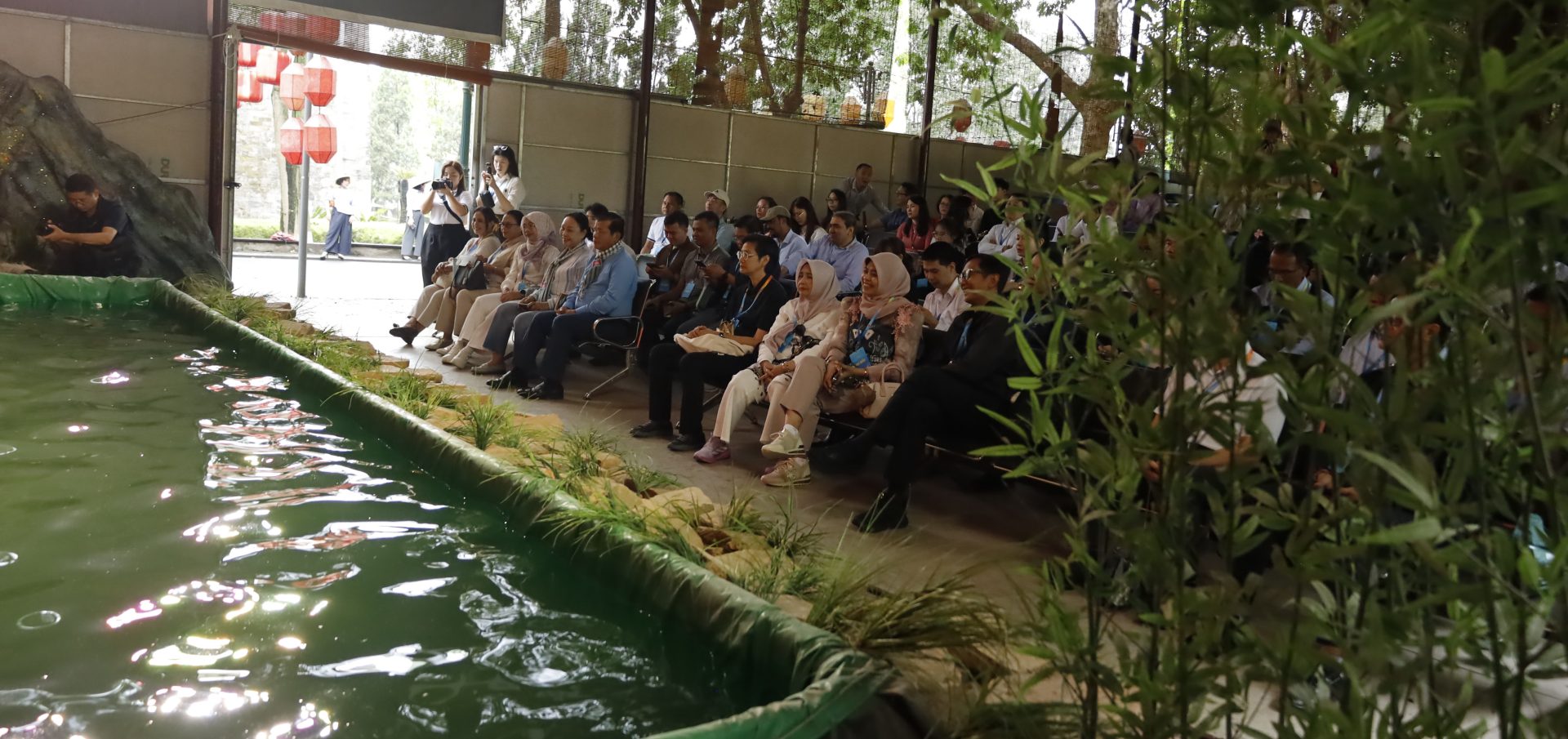
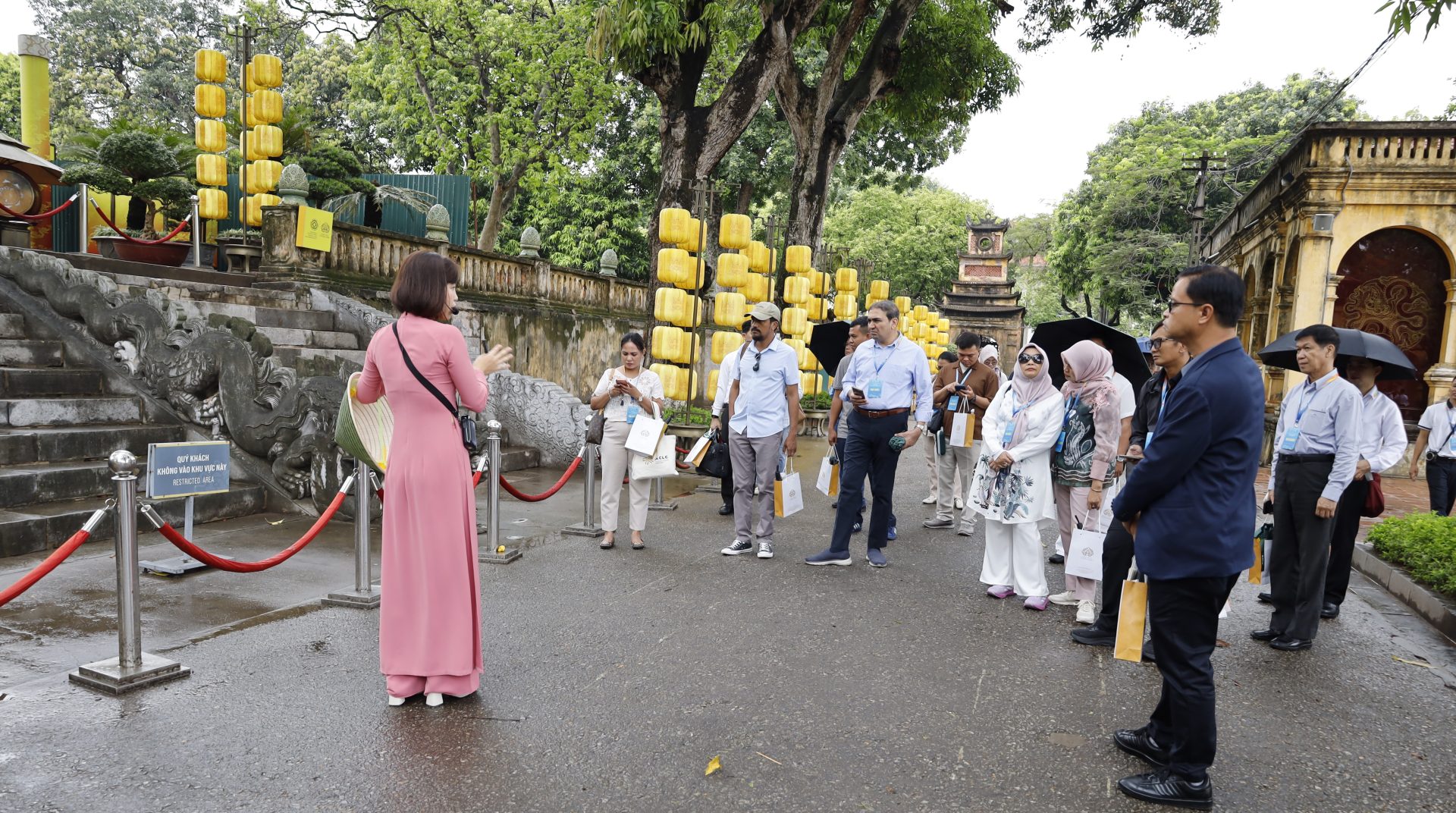
The World Heritage Site of Thang Long Imperial Citadel served as the centre of power of the Dai Viet nation for more than a millennium and stands as vivid testimony to the continuous development of Vietnamese civilization. Inscribed on the UNESCO World Heritage List in 2010, the Thang Long Imperial Citadel is not only a source of pride for the people of the capital but also a cultural and historical destination of exceptional appeal to both domestic and international visitors. At the beginning of the visit, the delegates toured Doan Mon Gate, one of the representative architectural structures that has been preserved in a relatively intact condition within the Imperial Citadel complex. It served as the main entrance to the central area of the former Royal Palace, where many important ceremonies of Vietnam’s feudal courts took place. Through engaging interpretations by the guides, the delegates had the opportunity to learn about the site’s history, its continuous development, and its outstanding universal values. The delegation then enjoyed a traditional water puppet performance, a unique form of Vietnamese folk art that has been preserved and passed down through generations. The captivating performances, depicting the daily life, agricultural activities, and cultural traditions of the people of the Northern Delta, offered the international delegates an engaging insight into Vietnam’s cultural identity. Many delegates expressed their admiration for the creativity of water puppetry, a performing art that harmoniously combines music, theatre, and the skilful manipulation of water puppets.
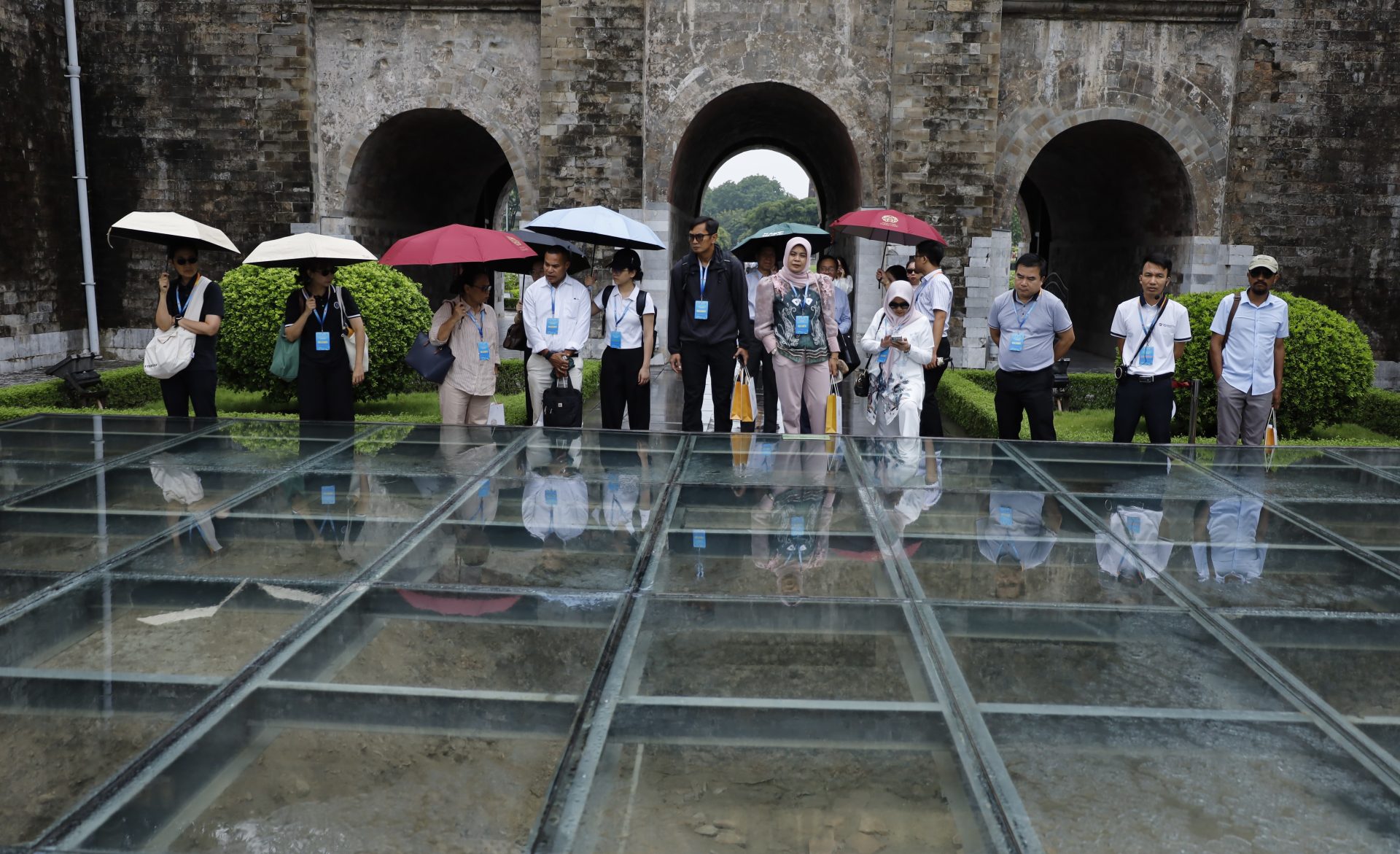
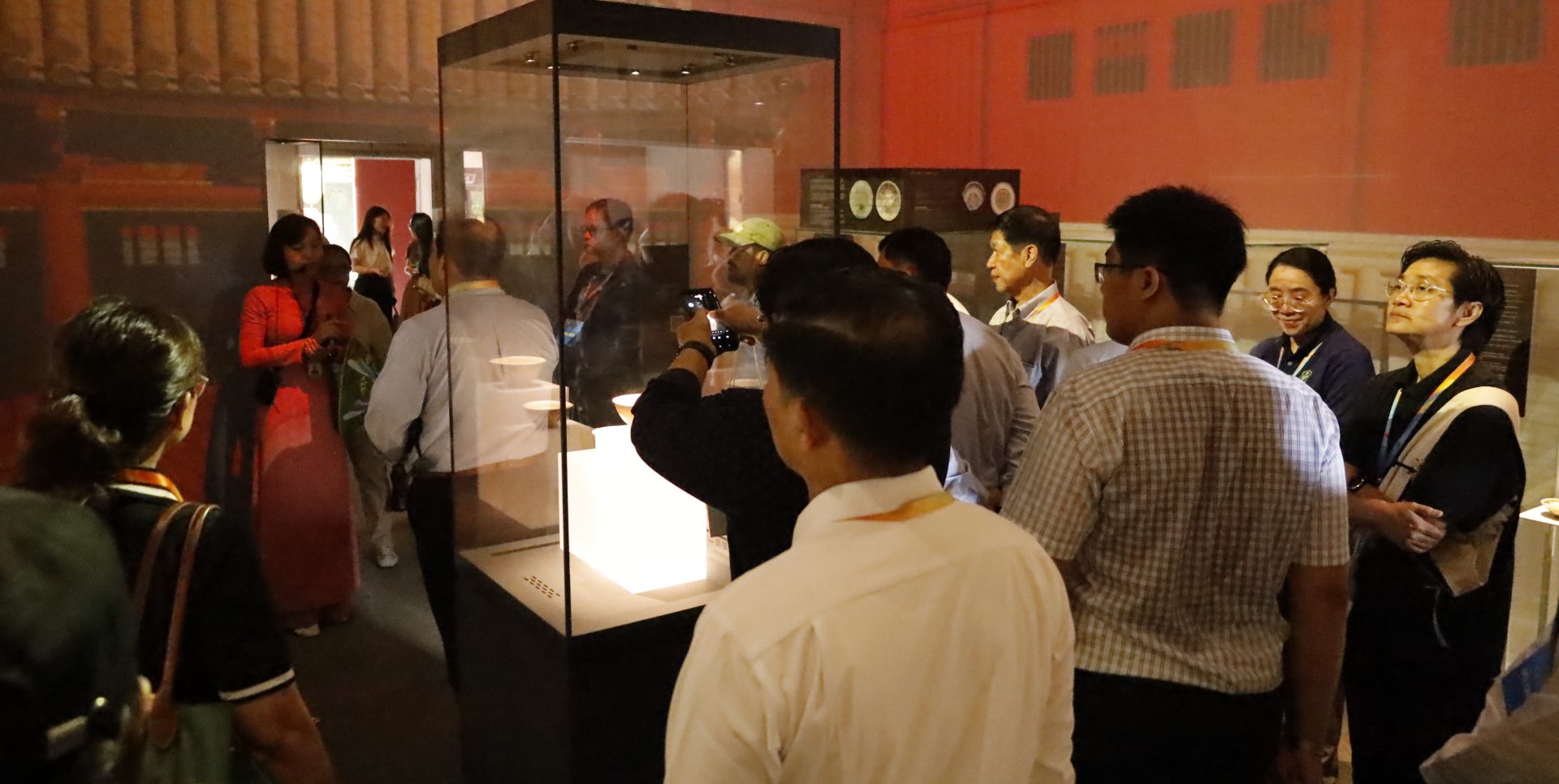
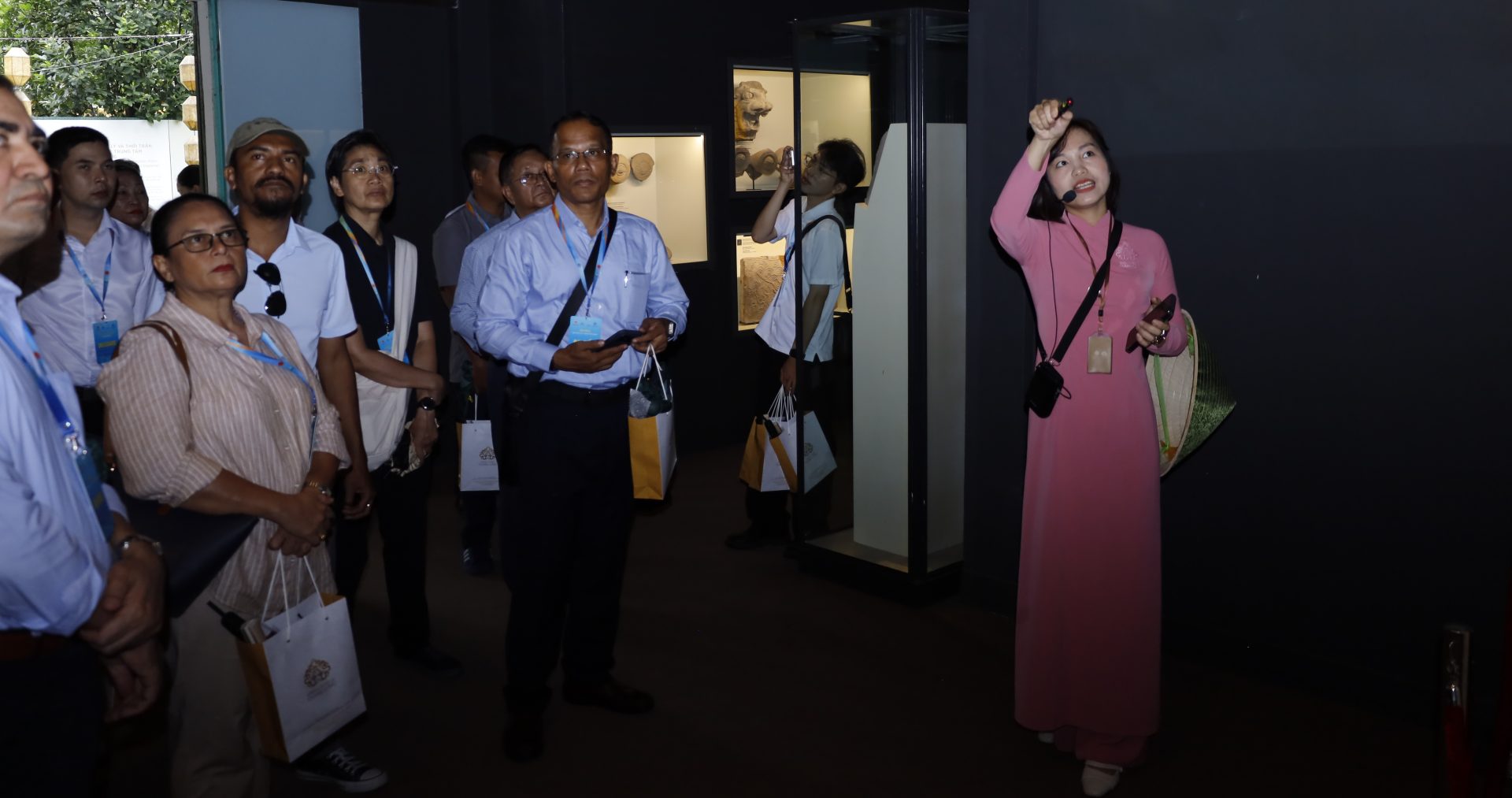
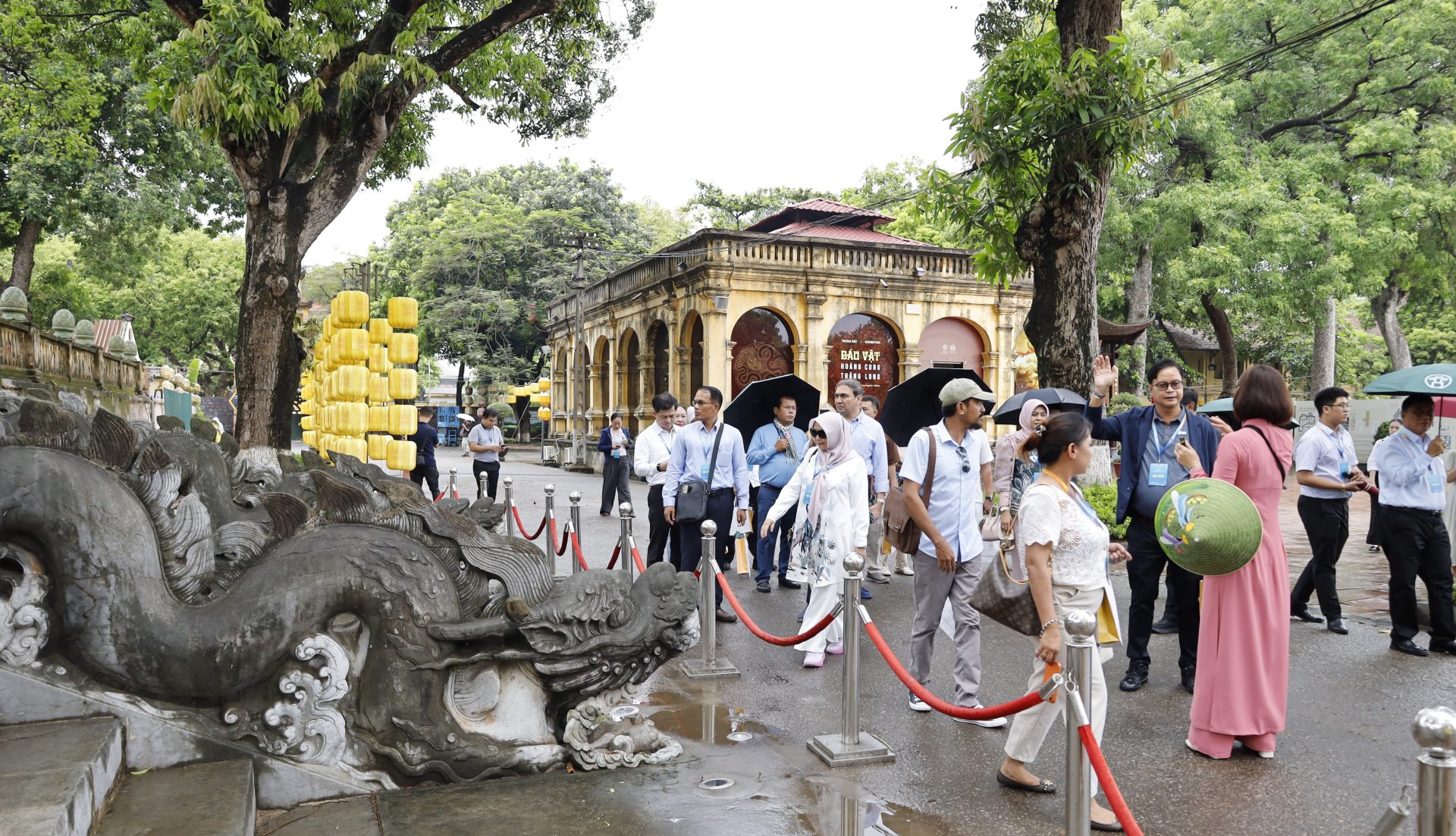
As part of the visit, the delegates also spent time exploring the historical and cultural values of the Thang Long Imperial Citadel through its thematic exhibitions. At the Thang Long – Hanoi Exhibition Gallery, the delegation was introduced to an overview of the formation and development of Thang Long – Hanoi throughout history, from the issuance of King Ly Thai To’s Edict on the Transfer of the Capital in 1010 to the development of today’s thousand-year-old capital. At the Royal Treasures Exhibition Gallery, valuable artefacts unearthed through successive archaeological excavations enabled the delegates to gain deeper insights into court life, the high level of craftsmanship, and the cultural exchanges of Vietnam’s feudal dynasties. These artefacts, distinguished by their historical and artistic significance, vividly reflected the former appearance of the Thang Long Royal Palace while affirming the depth of Vietnam’s cultural heritage. One of the highlights of the programme was the Kinh Thien Palace Dragon Steps, the centre of power of the Imperial Citadel under successive dynasties. Here, the delegates were introduced to the historical role of Kinh Thien Palace as the venue for major state ceremonies, royal court assemblies, and significant events that shaped the nation’s history. The remains of the palace architecture, together with its ancient stone sculptures of sacred animals, left a lasting impression on the international delegates.
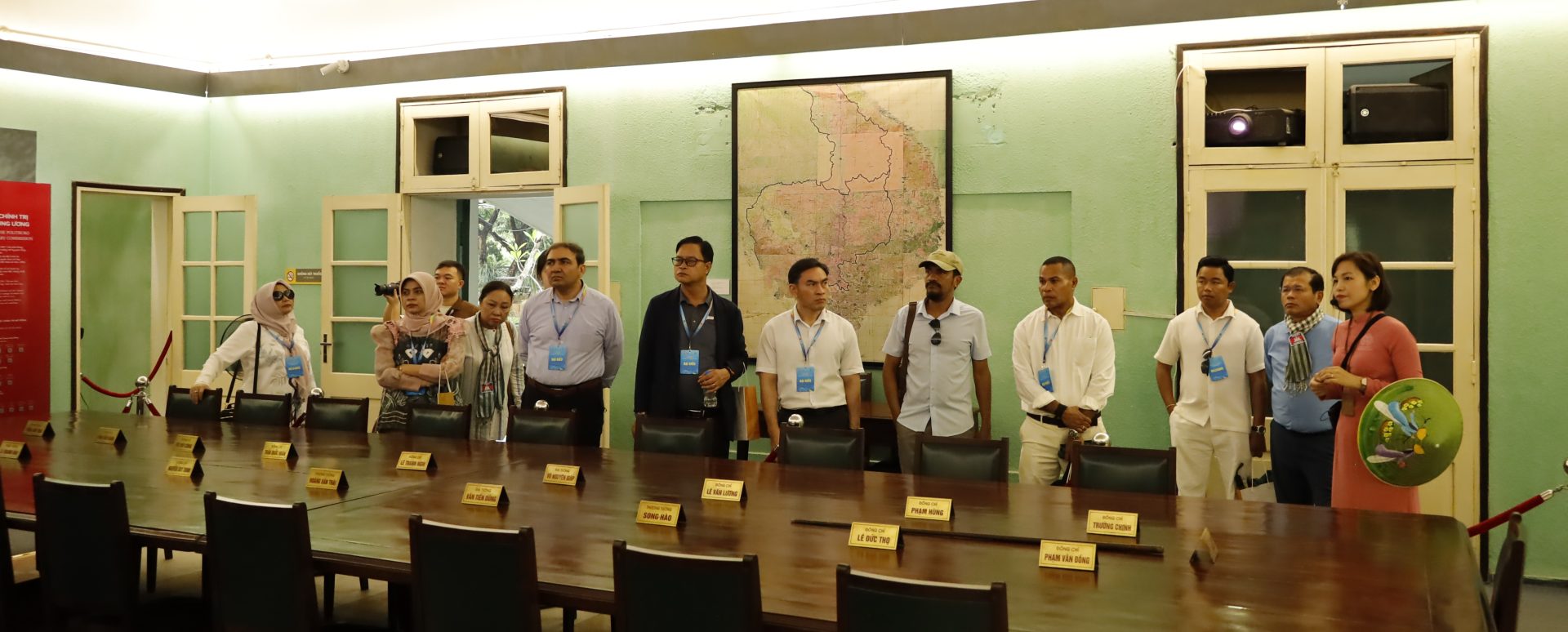
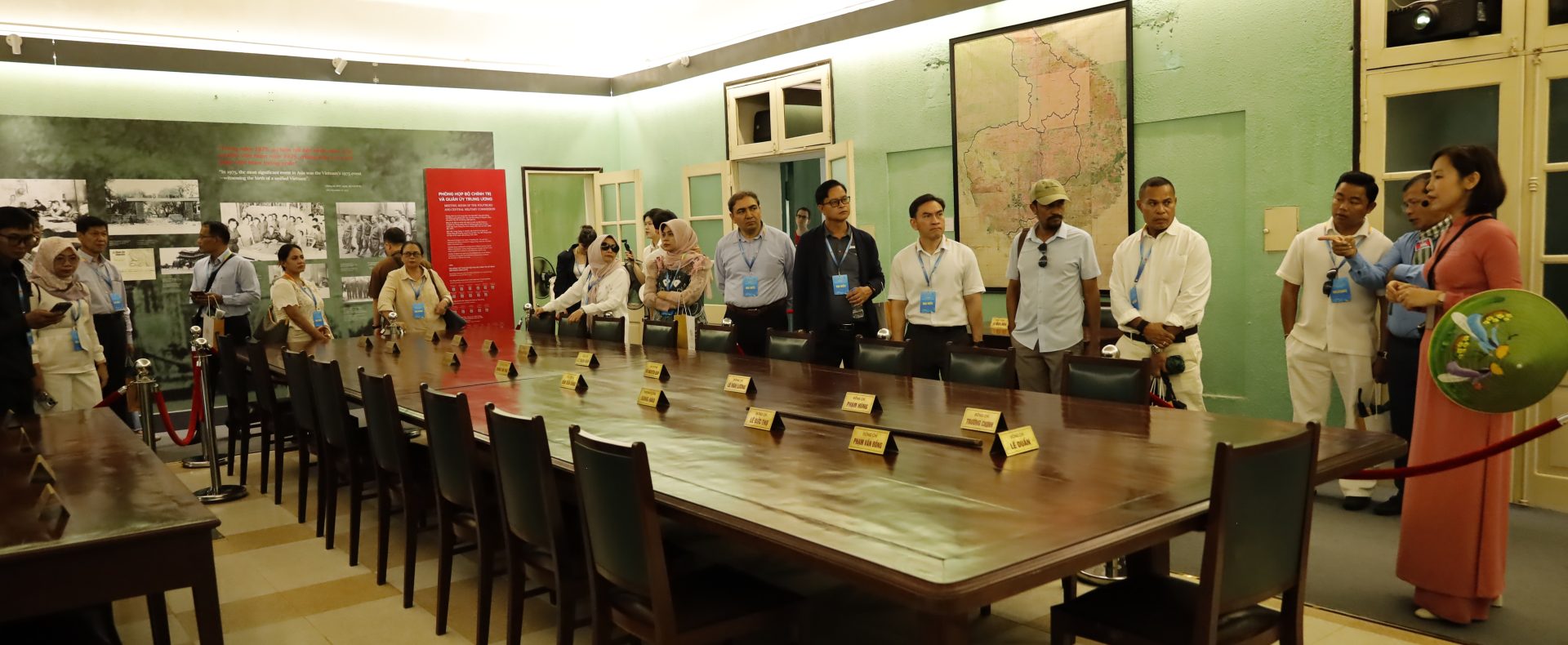
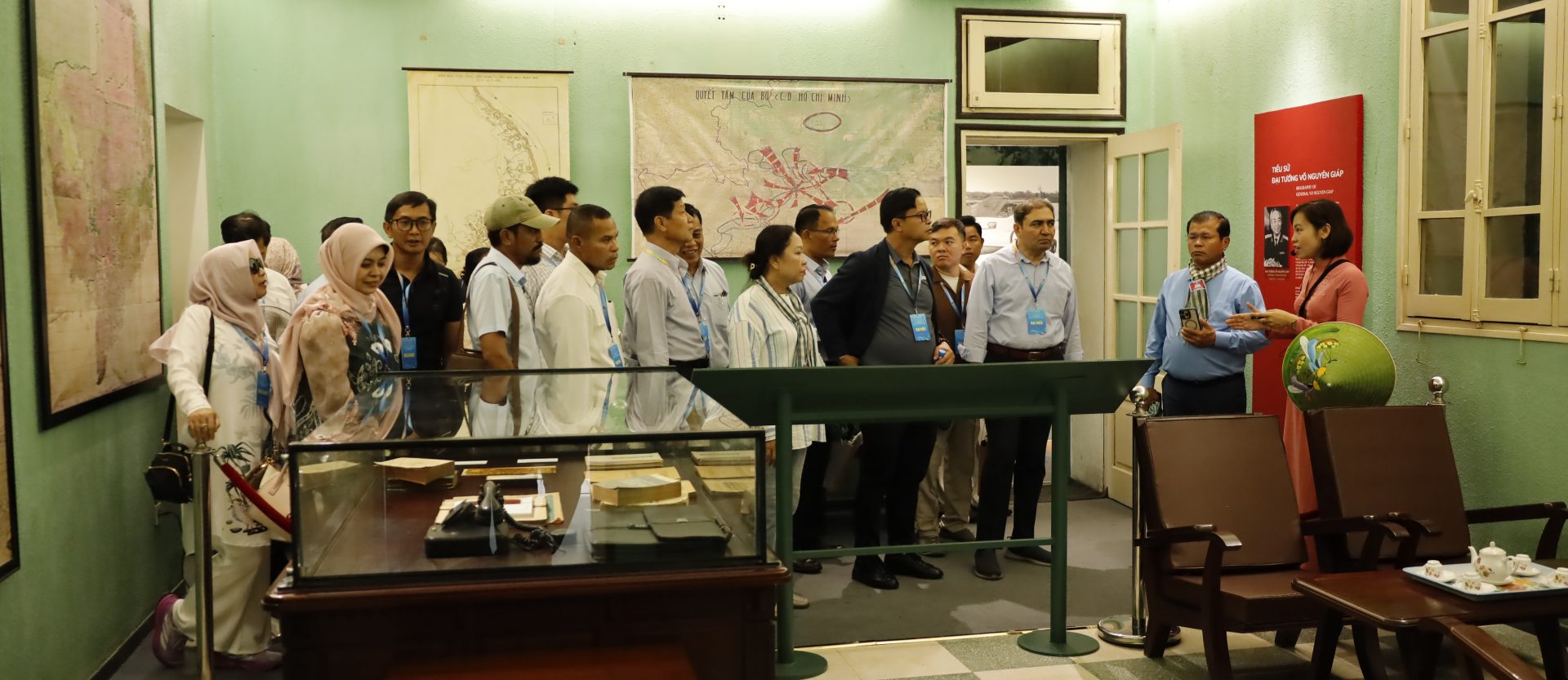
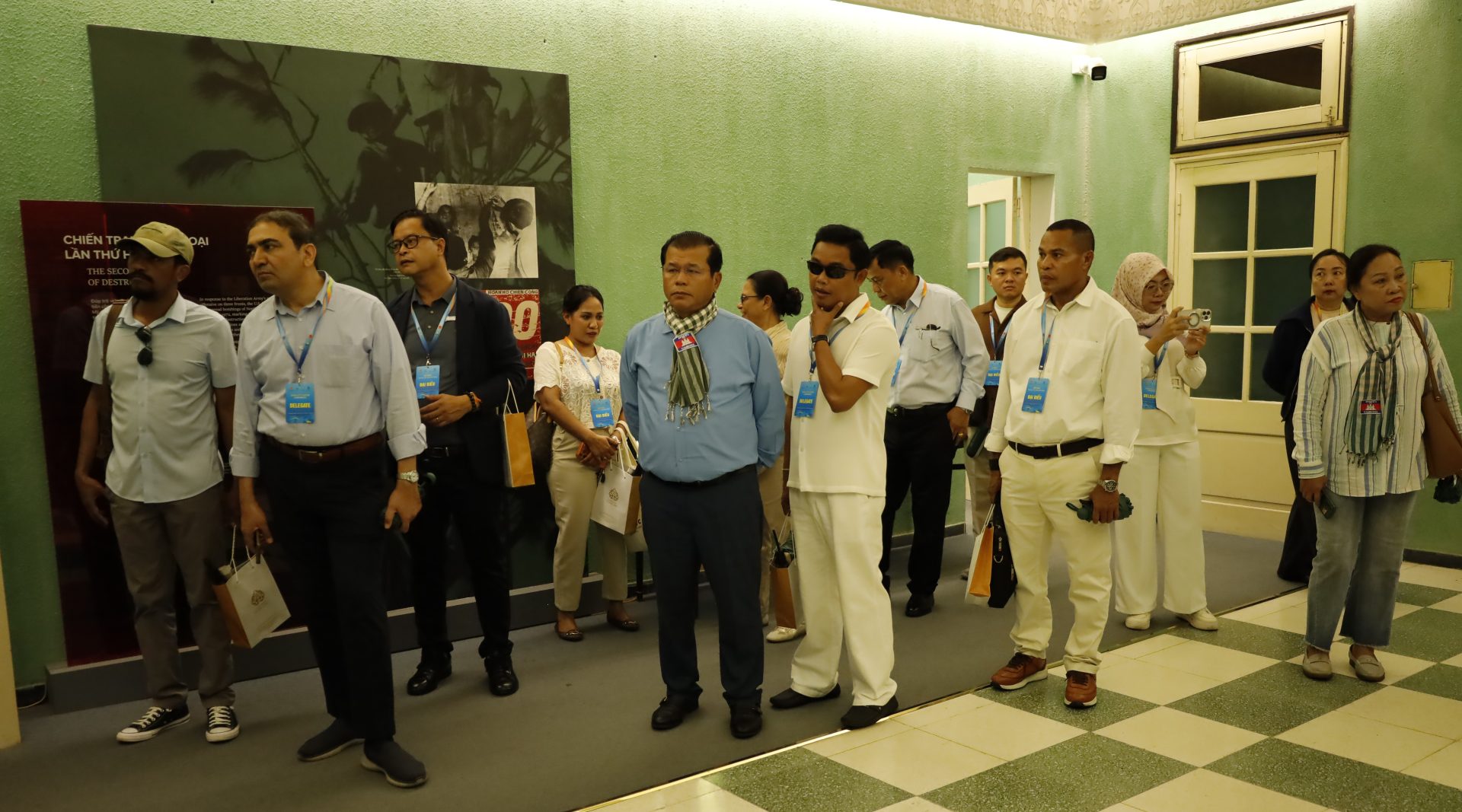
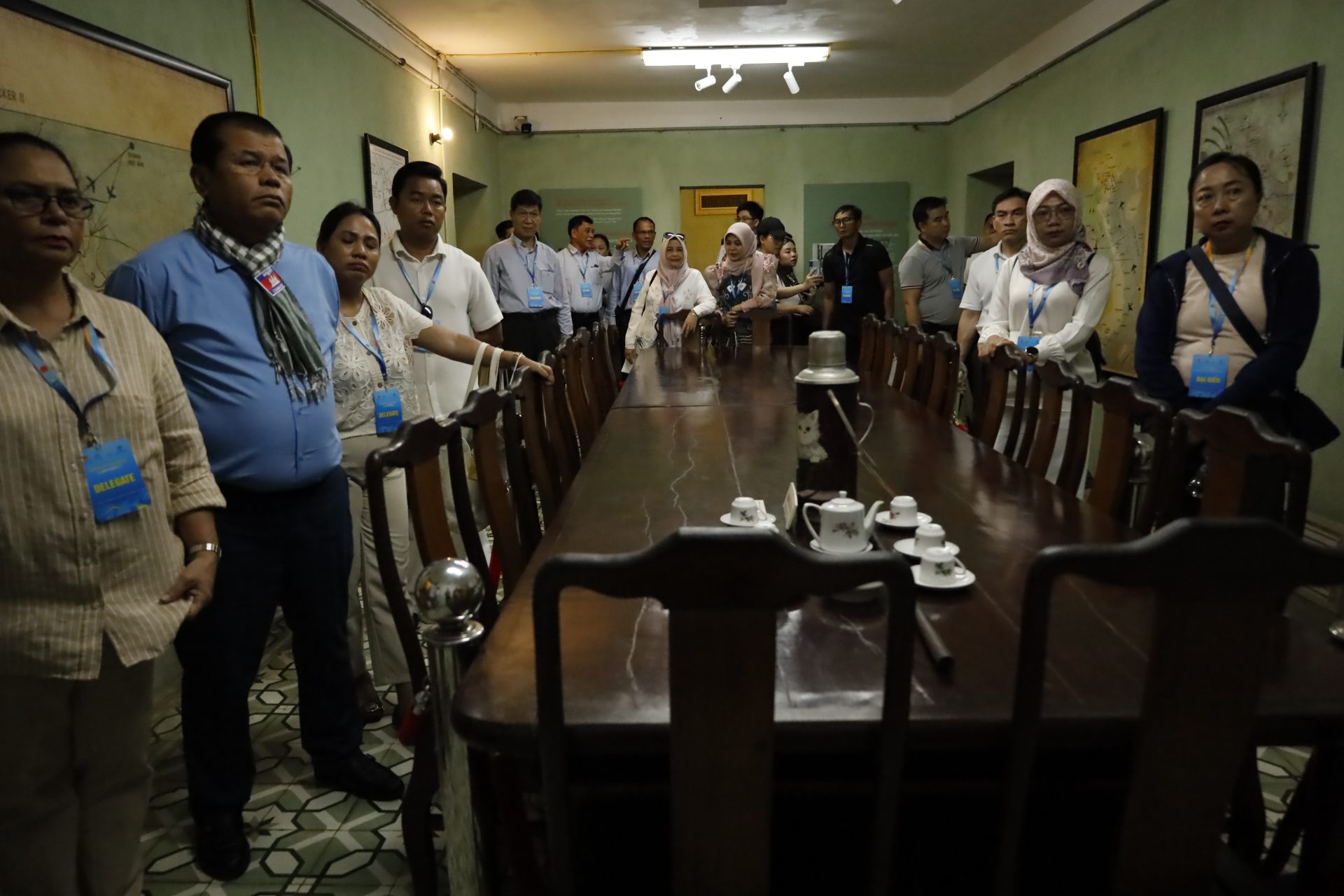
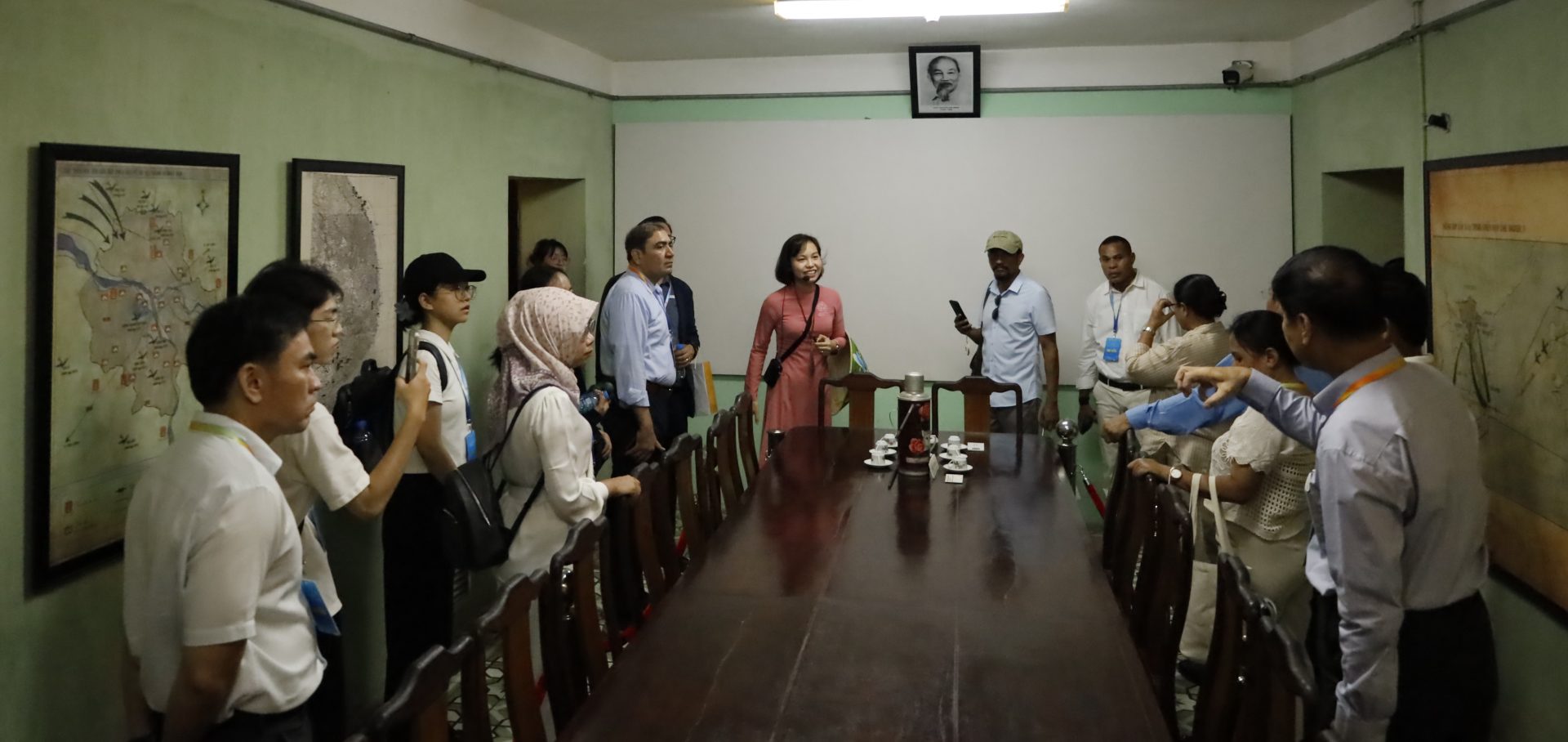
The visit continued with a tour of House and Bunker D67, a special historical site closely associated with Vietnam’s resistance war against the United States. It was here that the Politburo, the Central Military Commission, and the Ministry of National Defence made many strategic decisions during the struggle for national liberation and reunification. Through the documents, artefacts, and historical accounts presented at the site, the delegates gained a deeper understanding of the Vietnamese people’s determination to achieve independence, their spirit of solidarity, and their aspiration for peace.
Through the visit, the city of Hanoi sought to introduce international delegates to a capital with a rich historical tradition and an abundant cultural heritage, while also presenting it as a dynamic, modern city that is actively integrating into the international community. The visit also provided an opportunity to promote Hanoi as a safe, friendly, attractive, and high-quality destination for visitors, investors, and international partners. In recent years, Hanoi has consistently attached great importance to preserving and promoting the value of its cultural heritage in association with sustainable tourism development and the enhancement of urban quality of life. Organising experiential activities and site visits for international delegates as part of major conferences and events not only helps to promote the distinctive cultural values of the capital but also creates opportunities to strengthen cooperation in such fields as culture, tourism, education, innovation, and urban development.
The visit to the World Heritage Site of Thang Long Imperial Citadel by delegates attending the ASEAN Mayors Forum left them with lasting impressions of the country and people of Vietnam. The visit also contributed to further strengthening the ties of friendship and cooperation between Hanoi and cities and localities across the ASEAN region, towards the shared goal of building a united, dynamic, innovative, and sustainable ASEAN Community in the future.
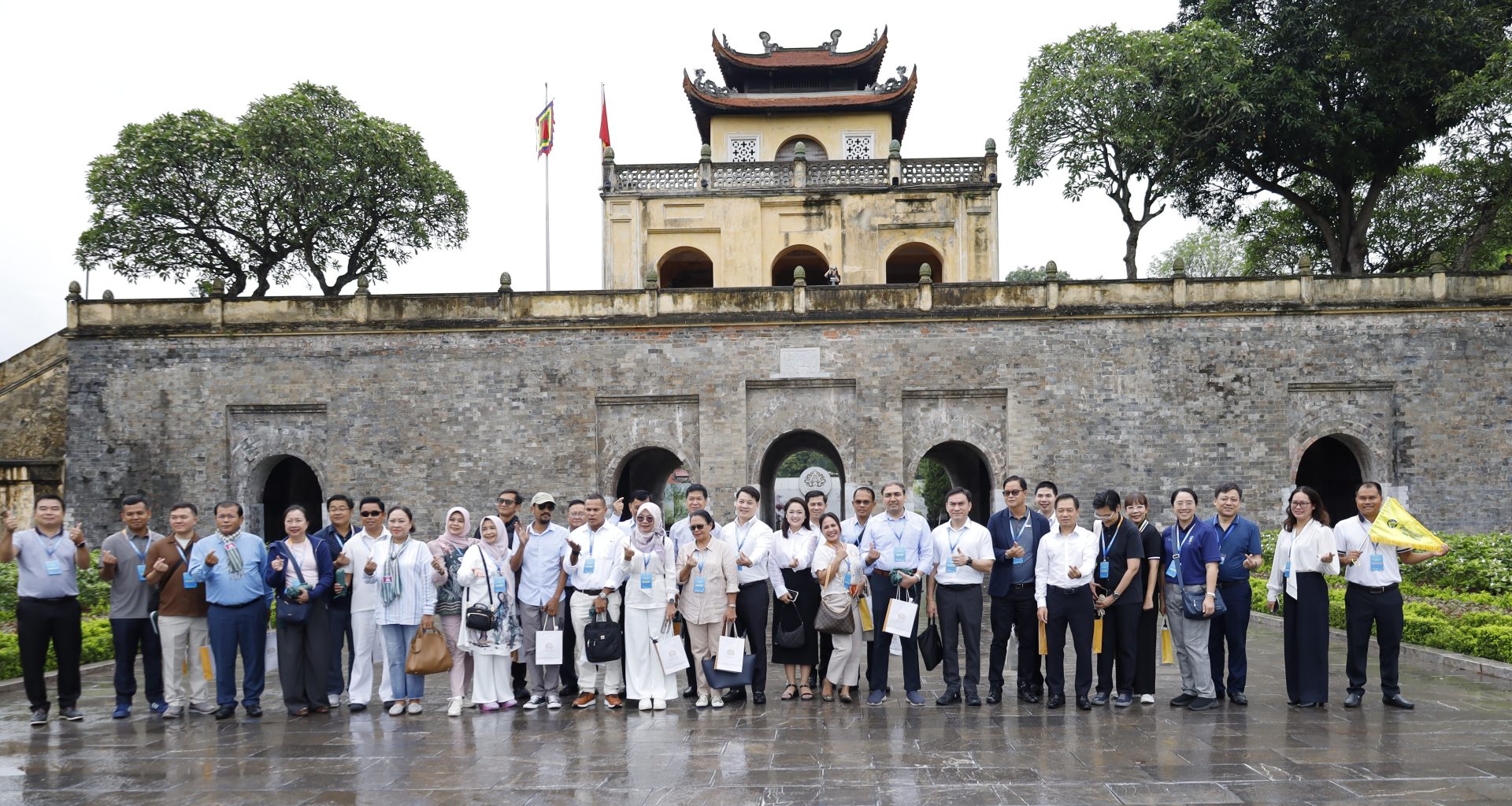
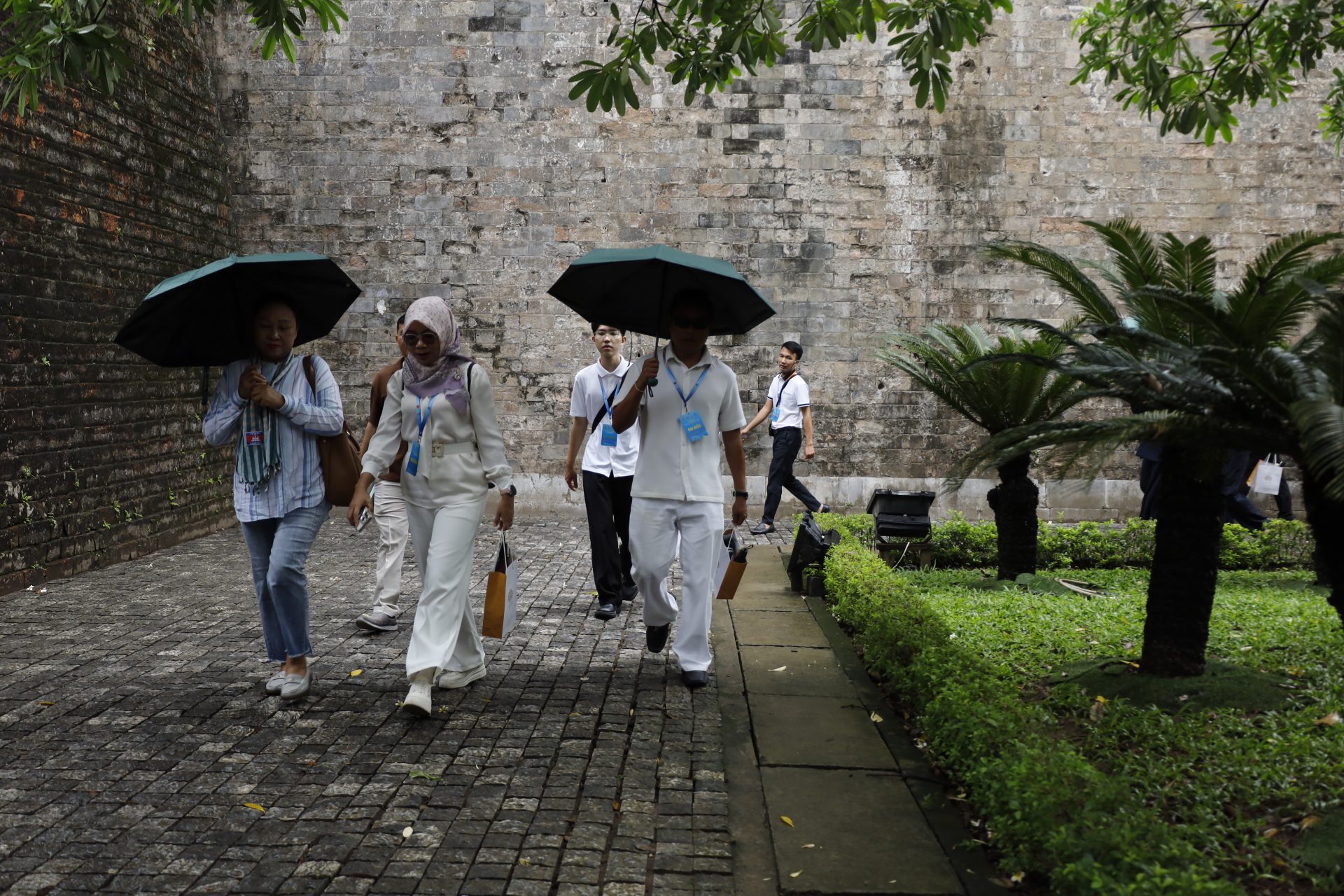
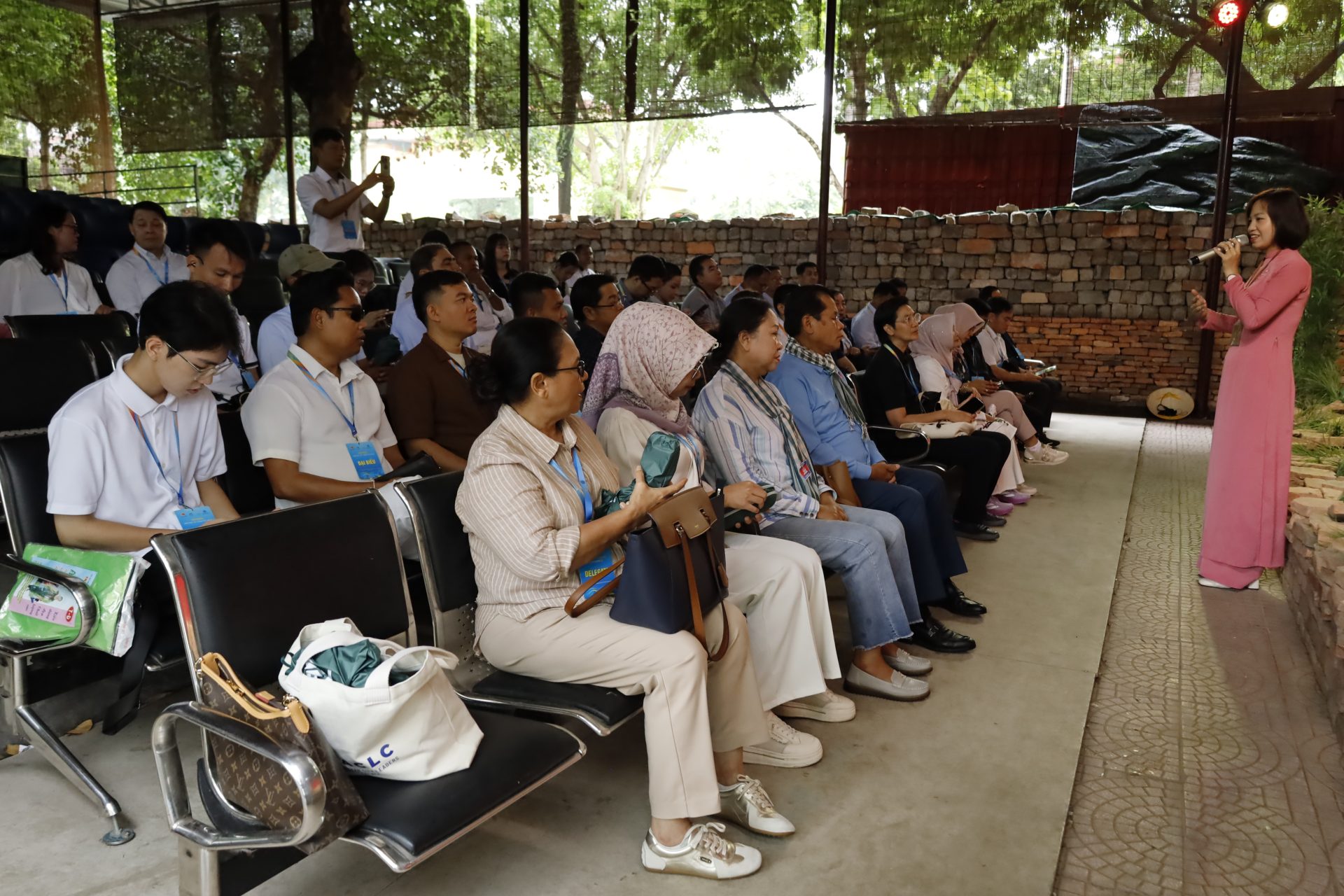
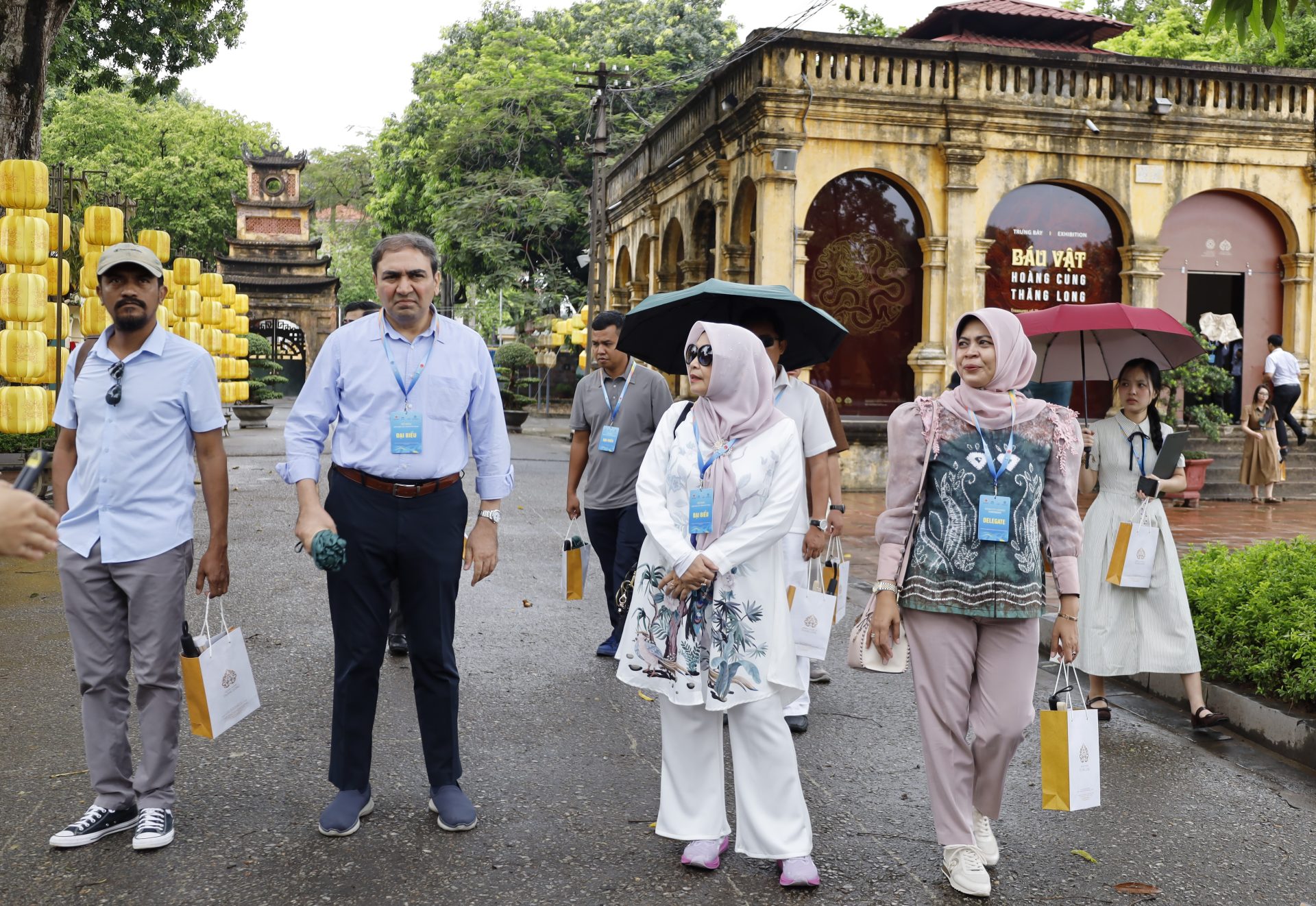
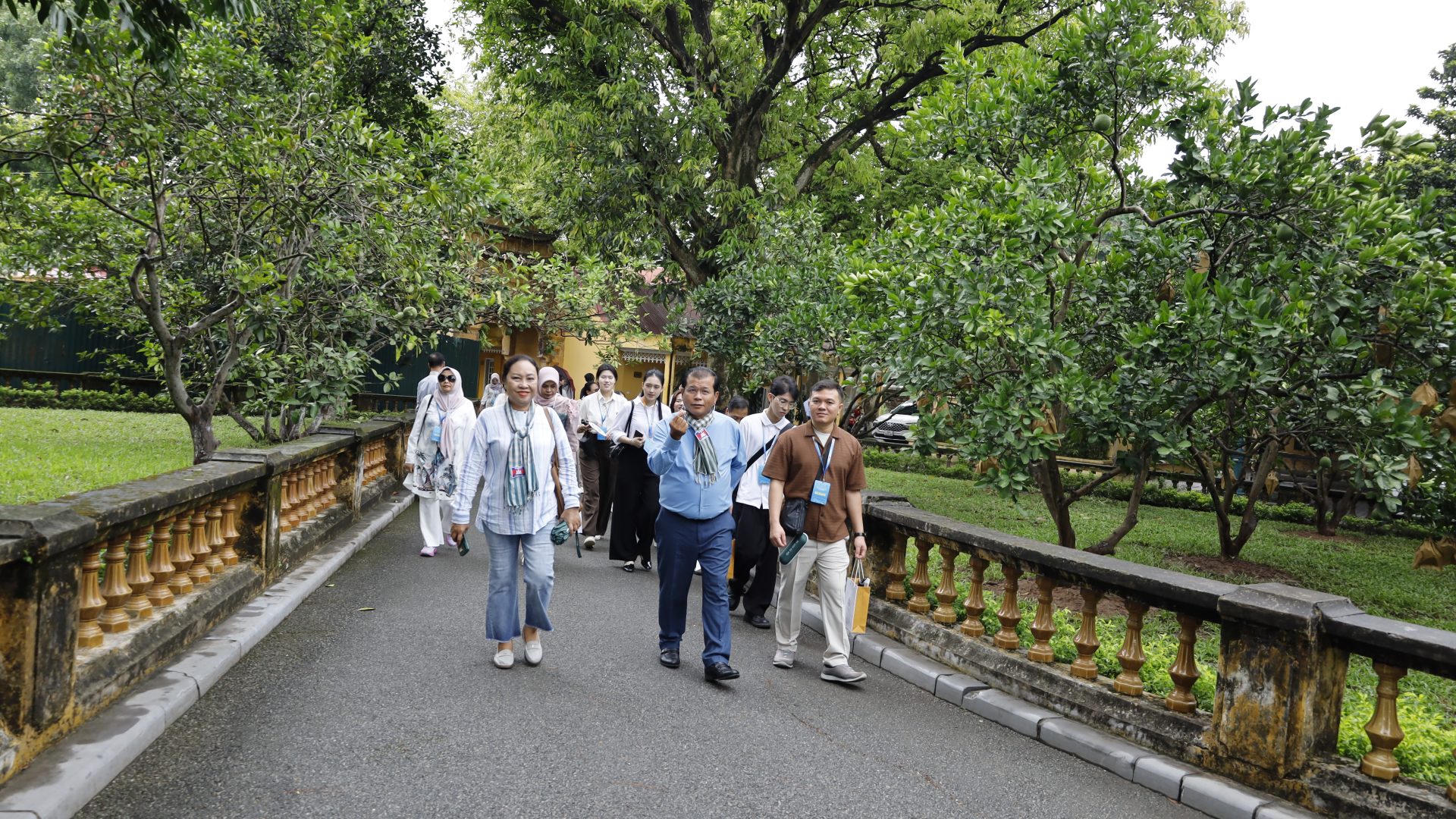
(Some photographs of the delegation attending the ASEAN Mayors Forum at the World Heritage Site of Thang Long Imperial Citadel)
Editorial Board