The Works of Antoni Gaudí – A Fusion of Art, Nature, and Faith
Antoni Gaudí is regarded as one of the most innovative and original architects in the history of world architecture. His works, primarily located in the city of Barcelona, have profoundly shaped the urban landscape and cultural identity of Catalonia while leaving a lasting impact on modern architectural thought.
Gaudí’s architecture is distinguished by its highly expressive forms inspired directly by nature. Flowing curves, organic structures, and motifs drawn from plants and animals replace rigid traditional geometry. He was also a pioneer in the use of trencadís, a technique of mosaic made from broken ceramic pieces, creating vibrant and dynamic surfaces.
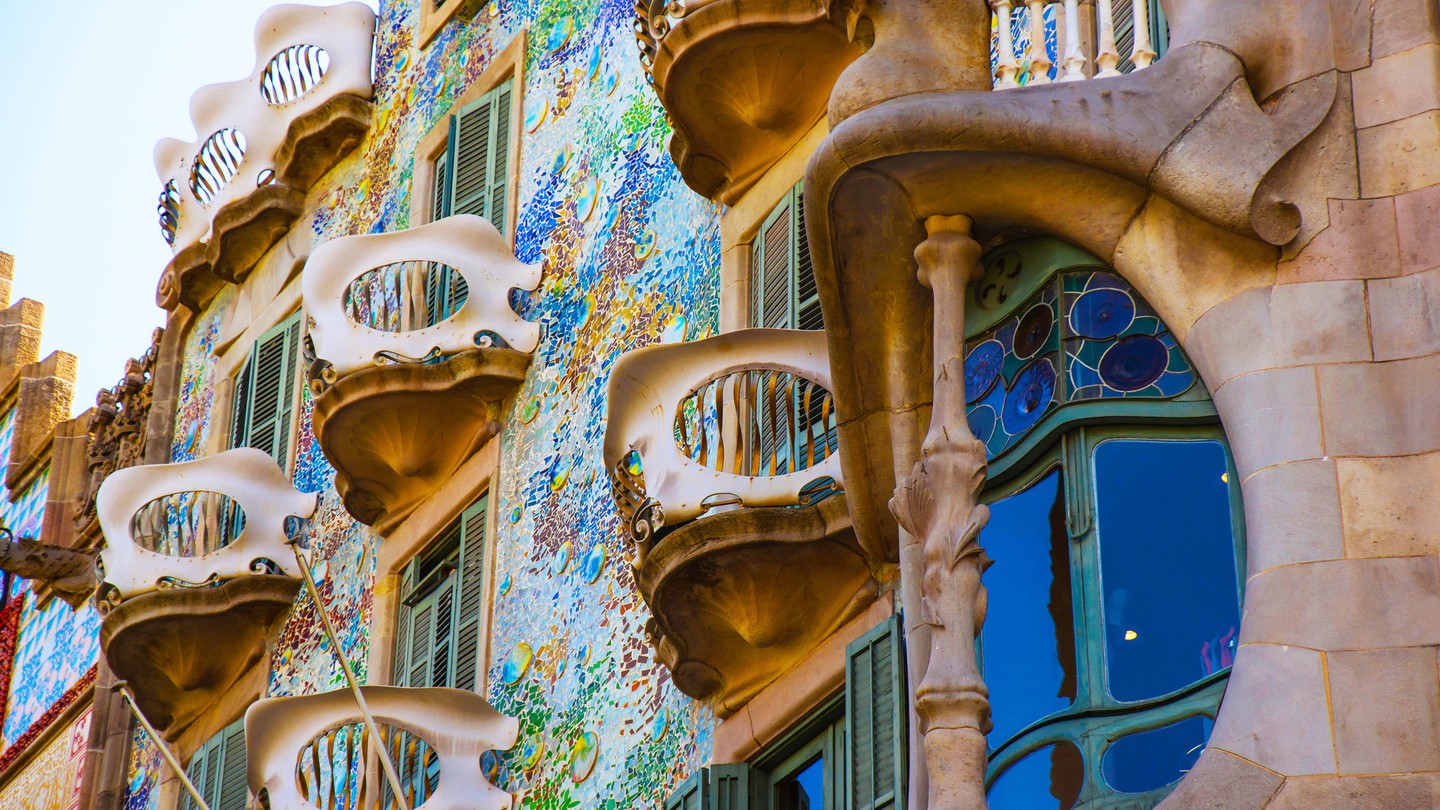
Photo: Arch20GO
Among Gaudí’s most notable works are the Sagrada Familia, the monumental church to which he devoted much of his life; Park Güell, an iconic architectural landscape; Casa Batlló and Casa Milà (La Pedrera), residential buildings conceived as sculptural forms; and Casa Vicens, which marks the beginning of his creative career.
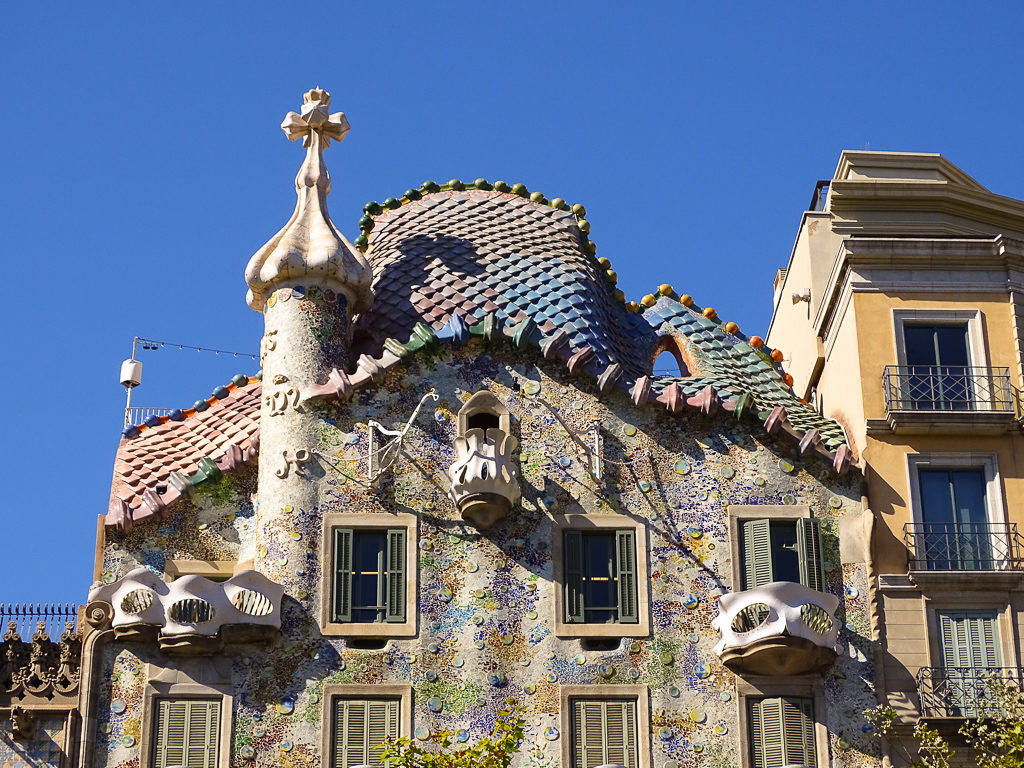
Photo: Map & Family
Beyond their visual appeal, Gaudí’s works reflect advanced technical thinking. He conducted extensive studies of structural systems, natural light, and ventilation, often employing complex geometric models to create spaces that are both structurally efficient and symbolically rich.
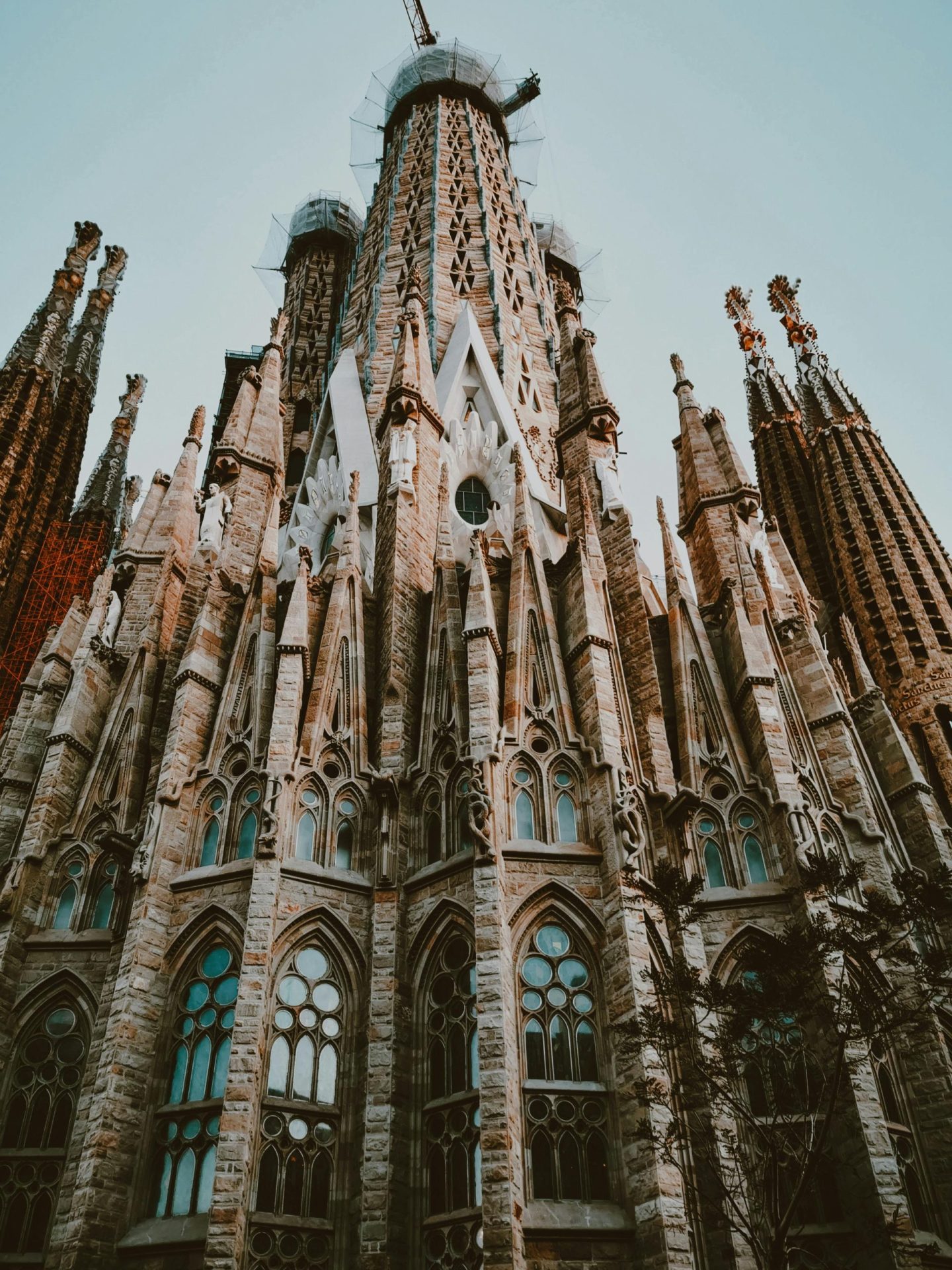
Photo: Pexels/Tkirkgoz
In 1984 and 2005, seven of Antoni Gaudí’s buildings were inscribed on the UNESCO World Heritage List. Today, these works stand not only as major tourist attractions but also as powerful expressions of human creativity and the deep connection between architecture, nature, and spirituality.
NTT