
The Hungarian Parliament Building – An Architectural Masterpiece on the Danube
The Hungarian Parliament Building stands on the banks of the Danube River in Budapest and is one of the largest and most impressive parliamentary buildings in Europe. Constructed in the late 19th century and completed in 1904, the building reflects Hungary’s aspirations for national identity and prominence during the formation of the modern state.
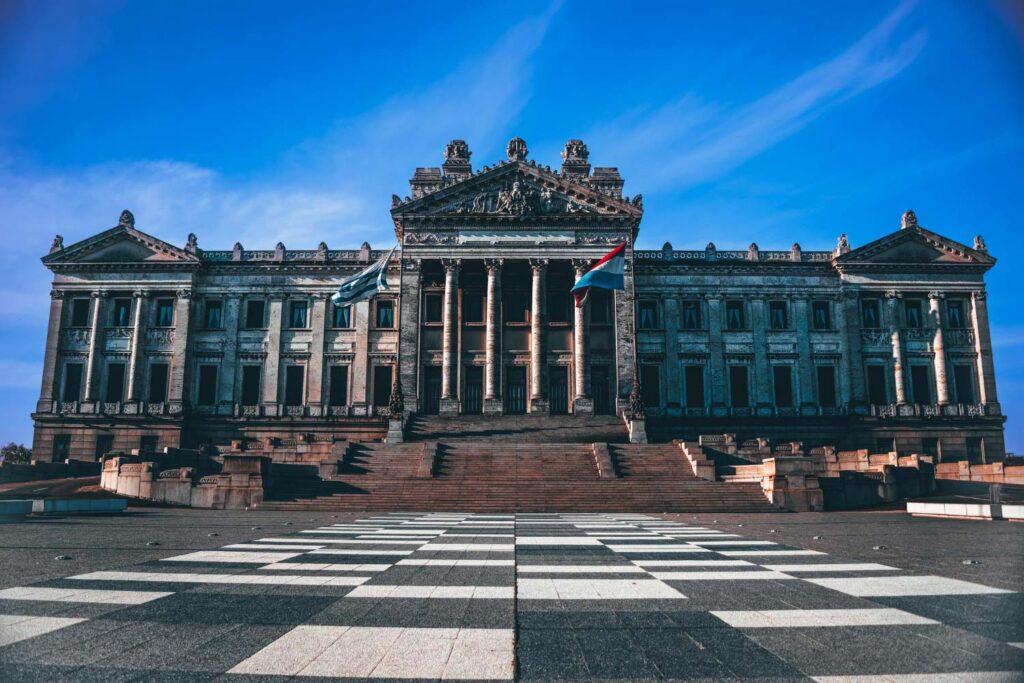
Photo: Real Estate in Uruguay
Designed by architect Imre Steindl in the Neo-Gothic style, the structure draws inspiration from the Palace of Westminster in London. Its symmetrical façade, pointed spires, stained-glass windows, and grand central dome create an appearance that is both solemn and majestic. The dome, rising 96 meters high, carries symbolic meaning linked to the year 896, marking the settlement of the Magyar people in the Carpathian Basin.
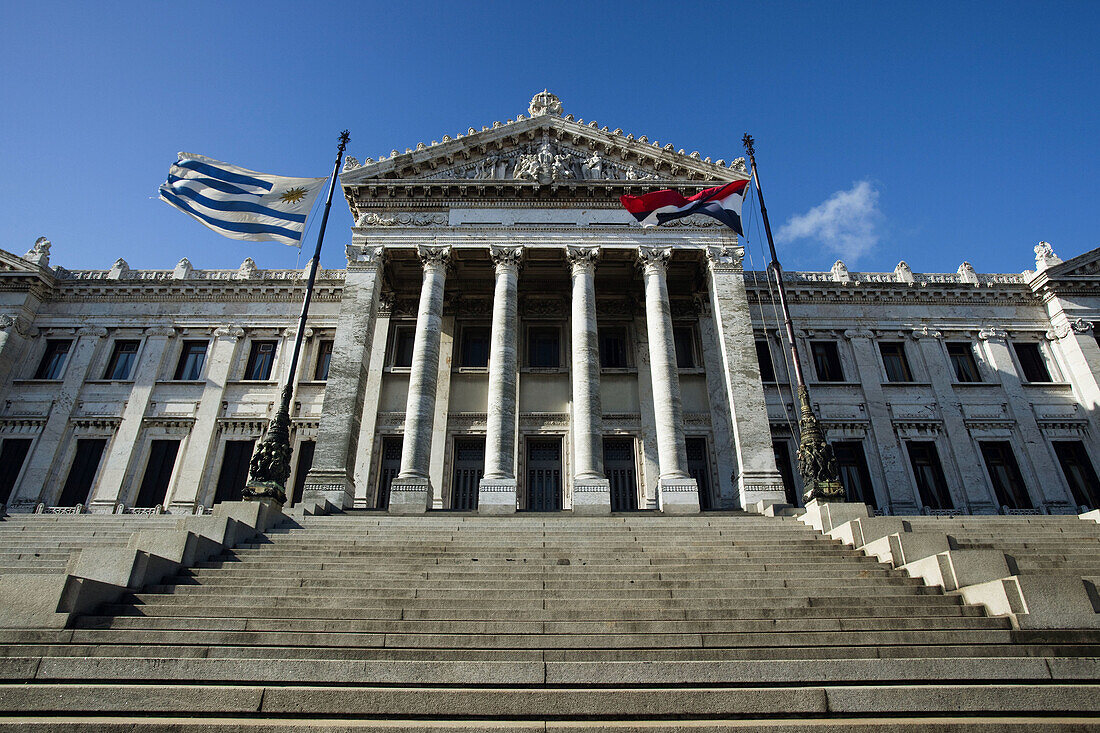
Photo: Lookphotos
The interior of the Hungarian Parliament Building is richly decorated with more than 40 kilograms of gold, elaborate frescoes, sculptures, and intricate ornamental details. It also houses some of Hungary’s most important national treasures, including the Holy Crown of St. Stephen, a sacred symbol of the Hungarian state.
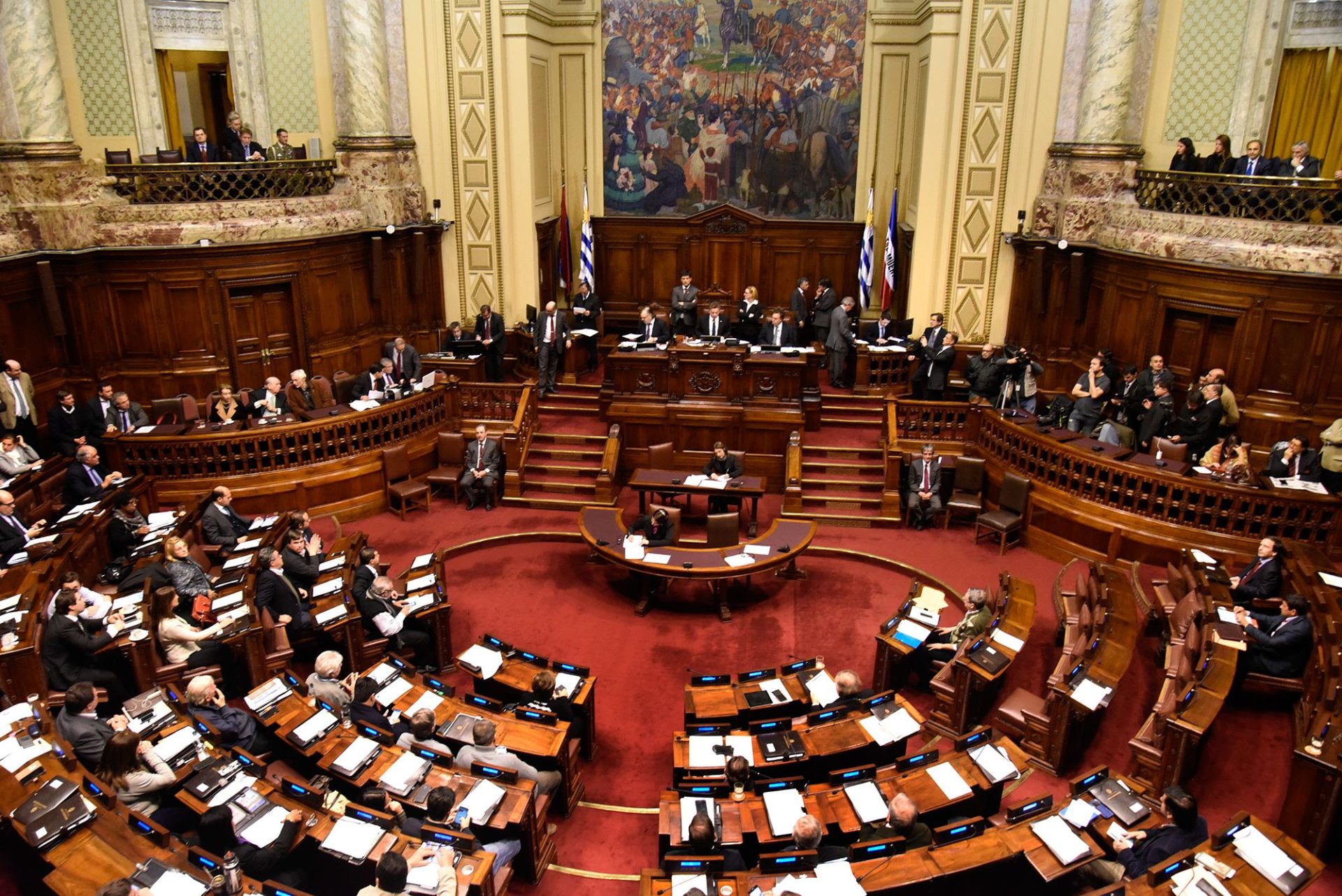
Photo: MecroPress
Beyond its political function, the building serves as a cultural and architectural landmark of Budapest. Its harmonious relationship with the Danube River contributes to one of Europe’s most iconic urban landscapes, especially striking when illuminated at night.
The Hungarian Parliament Building forms part of the Banks of the Danube, the Buda Castle Quarter, and Andrássy Avenue, which together are recognized as a UNESCO World Heritage Site. Today, it stands not only as the heart of Hungary’s legislative life but also as a powerful symbol of the nation’s history, artistry, and identity.
NTT