
Stonehenge – The Mysterious Stone Circle of Ancient England
Stonehenge is located on Salisbury Plain in Wiltshire, southern England. It is one of the world’s most famous prehistoric monuments and a lasting symbol of ancient European culture, captivating scholars and visitors for centuries.
The monument was constructed in several phases beginning around 3000 BC and continuing for more than a millennium. Stonehenge consists of massive stones arranged in concentric circles, with upright stones topped by horizontal lintels, demonstrating an impressive level of engineering and social organization among prehistoric communities.
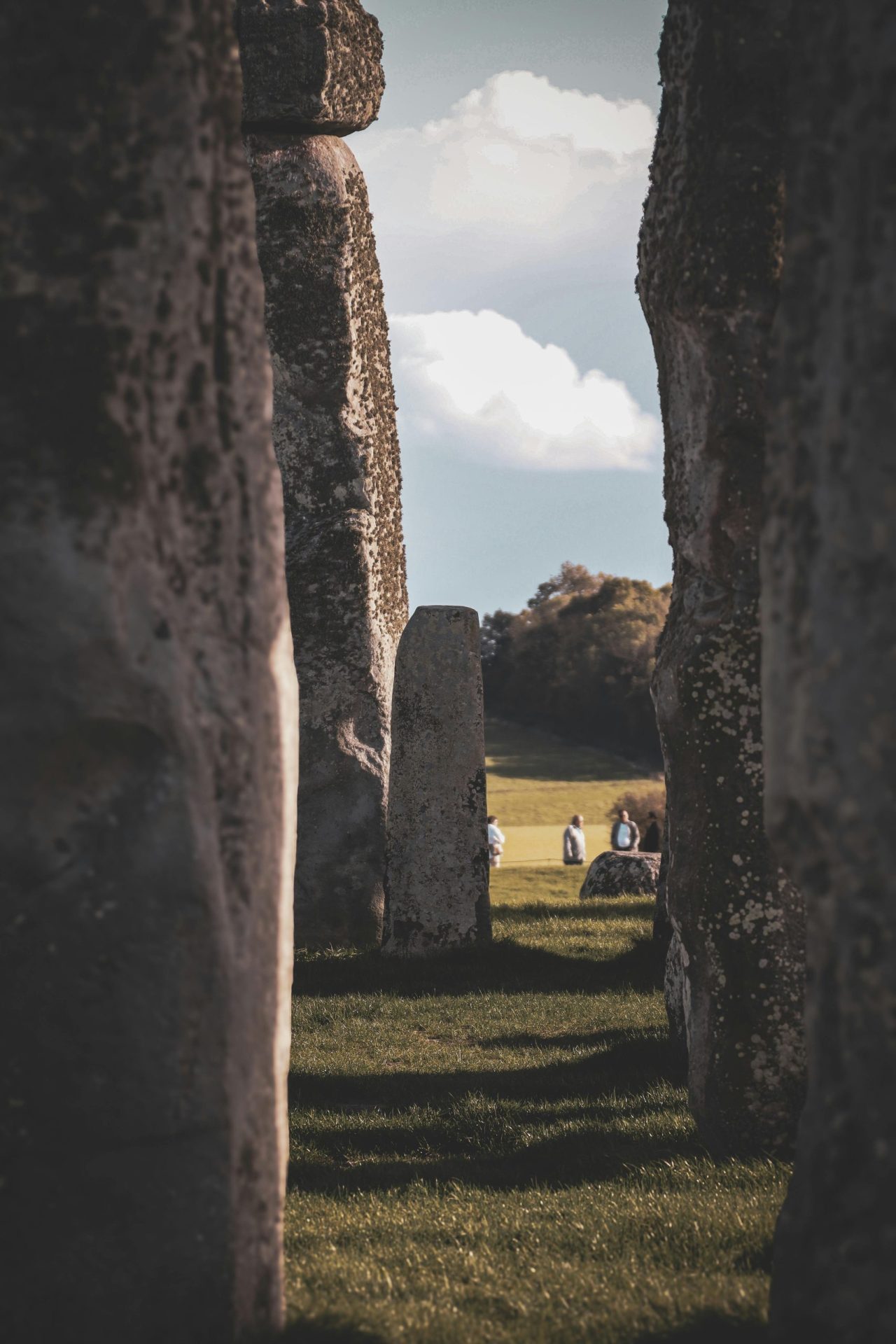
Photo: Pexels/Captureacloseup
One of Stonehenge’s greatest mysteries is its original purpose. Many theories suggest it served as an ancient astronomical observatory, a ceremonial or religious site, or a place of burial and remembrance. The alignment of the stones with astronomical events, especially the sunrise at the summer solstice, indicates a close relationship between Stonehenge and celestial cycles.
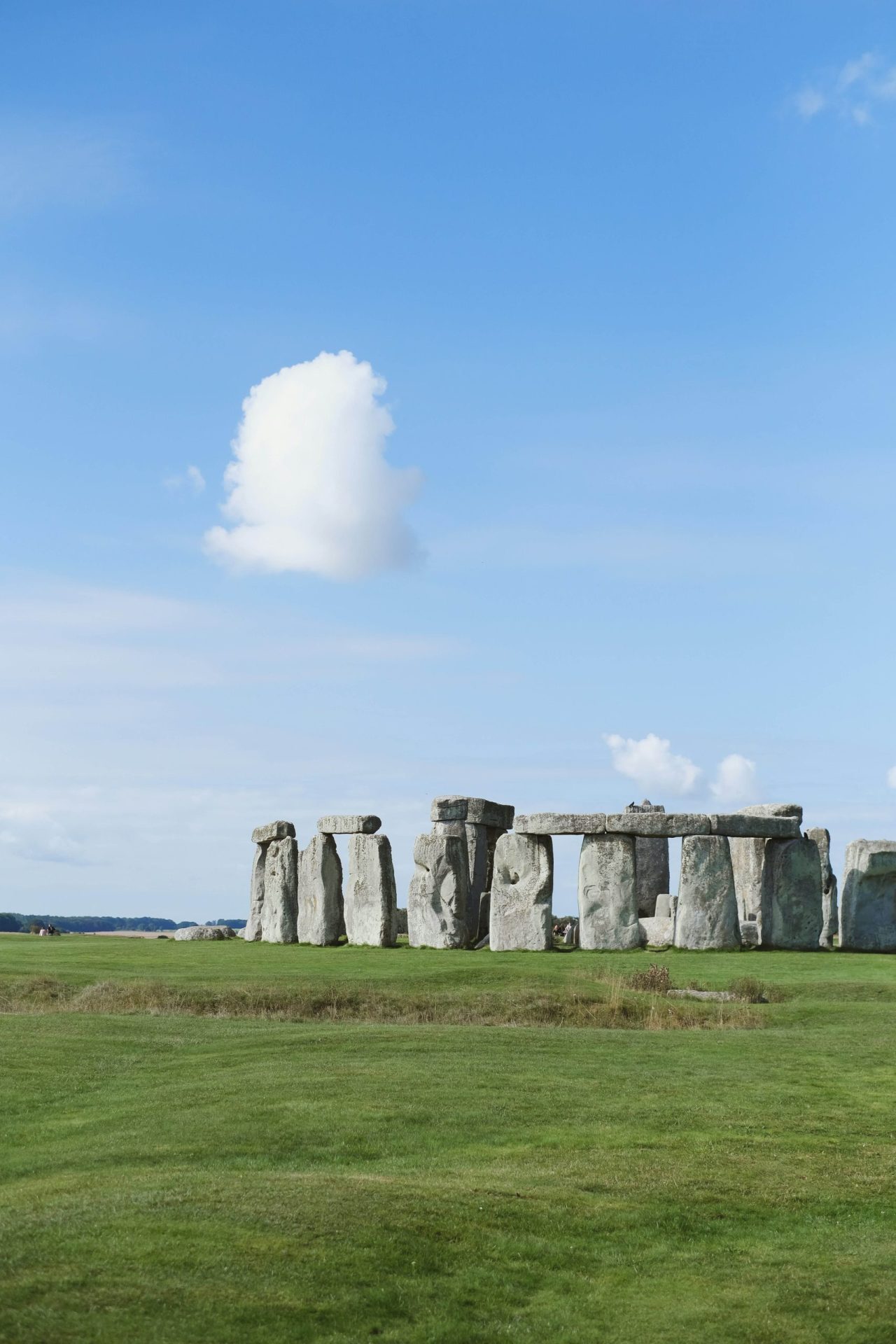
Photo: Unsplash/Bryony Elena
The transportation of stones weighing tens of tons over distances of hundreds of kilometers remains a major puzzle for researchers. This remarkable achievement highlights the ingenuity and determination of prehistoric people, despite their lack of metal tools or wheeled transport.
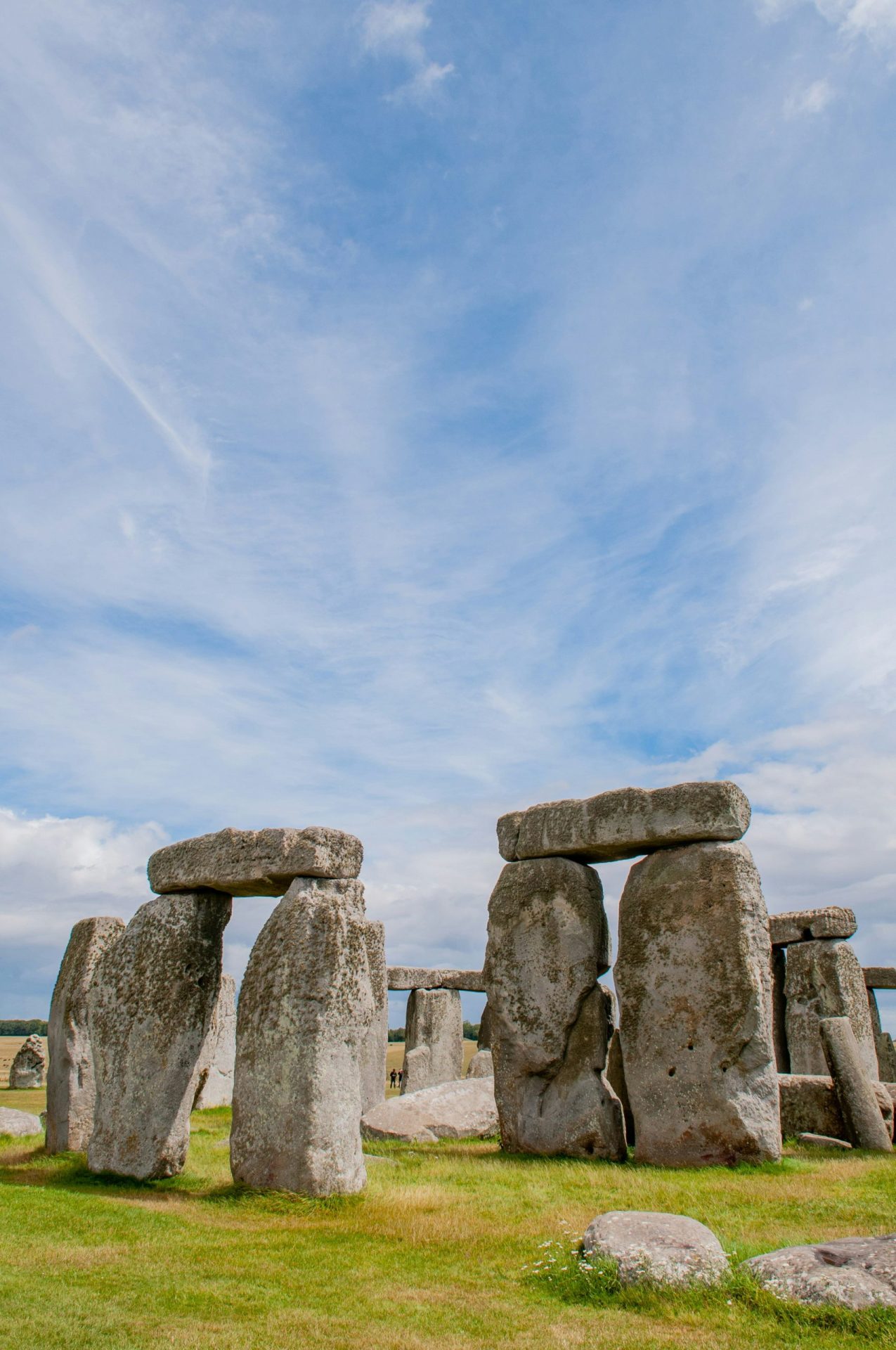
Photo: Unsplash/Cajeo Zhang
In 1986, Stonehenge was inscribed on the UNESCO World Heritage List. Today, it remains one of humanity’s most enigmatic archaeological landmarks, symbolizing early human curiosity about the cosmos and the spiritual dimensions of life.
NTT