Arequipa – The White City at the Foot of Peru’s Volcanoes
Arequipa is the second-largest city in Peru, located in the southern part of the country at the foot of the majestic El Misti volcano. Thanks to the extensive use of white volcanic stone known as sillar, Arequipa is often called the “White City” and is distinguished by its elegant and distinctive architecture.
The city was founded in 1540 by the Spanish, but its architecture represents a harmonious fusion of European styles and indigenous Andean traditions. The historic center of Arequipa was constructed almost entirely from sillar stone, giving rise to churches, monasteries, and mansions that appear both solid and refined.
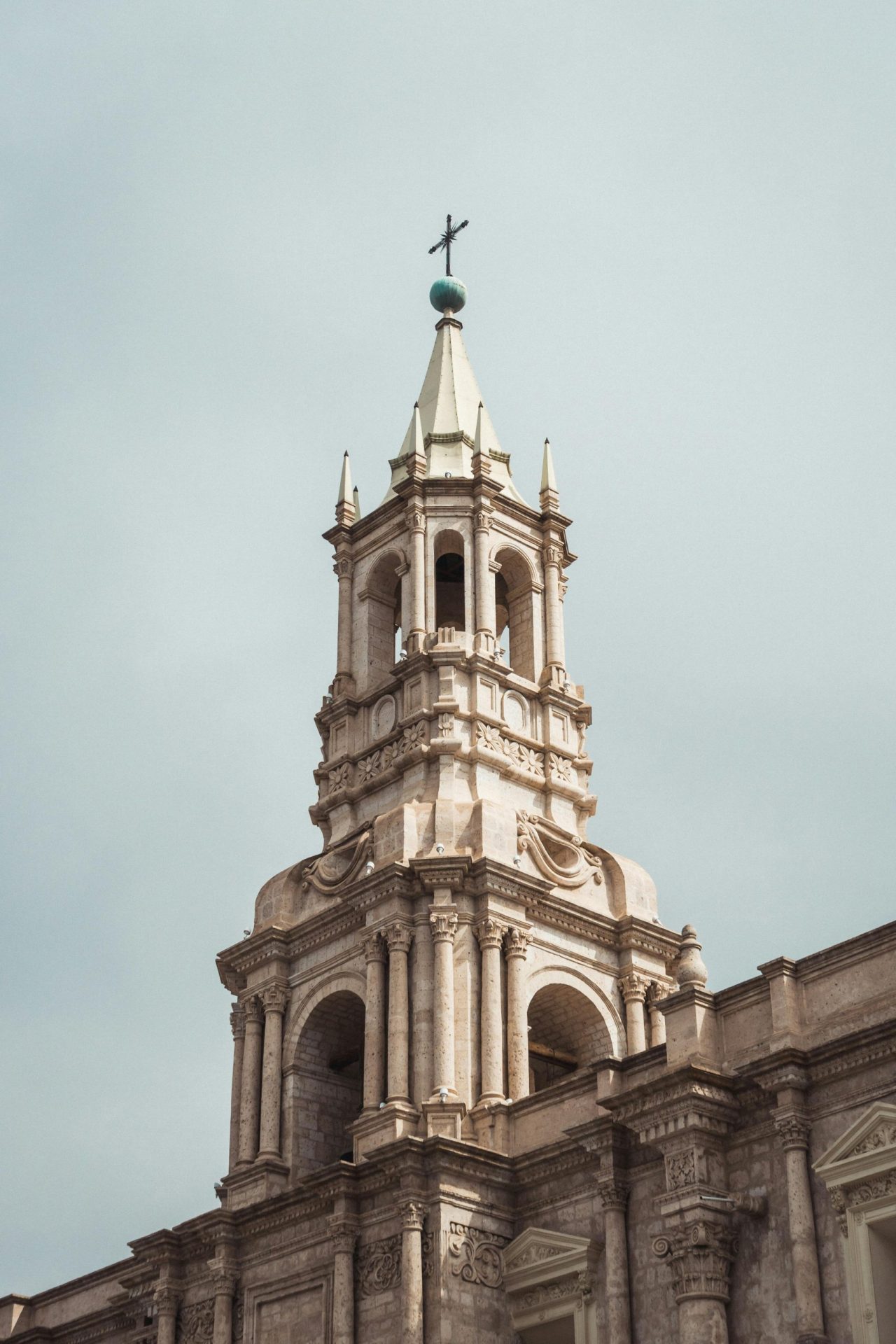
Photo: Pexels/Fabrizio Miyashiro
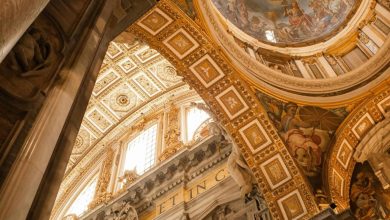
One of the city’s most remarkable landmarks is the Santa Catalina Monastery, a vast religious complex resembling a small city, complete with narrow streets, courtyards, and peaceful gardens. Another key symbol is the Arequipa Cathedral in Plaza de Armas, known for its imposing façade and dignified interior.
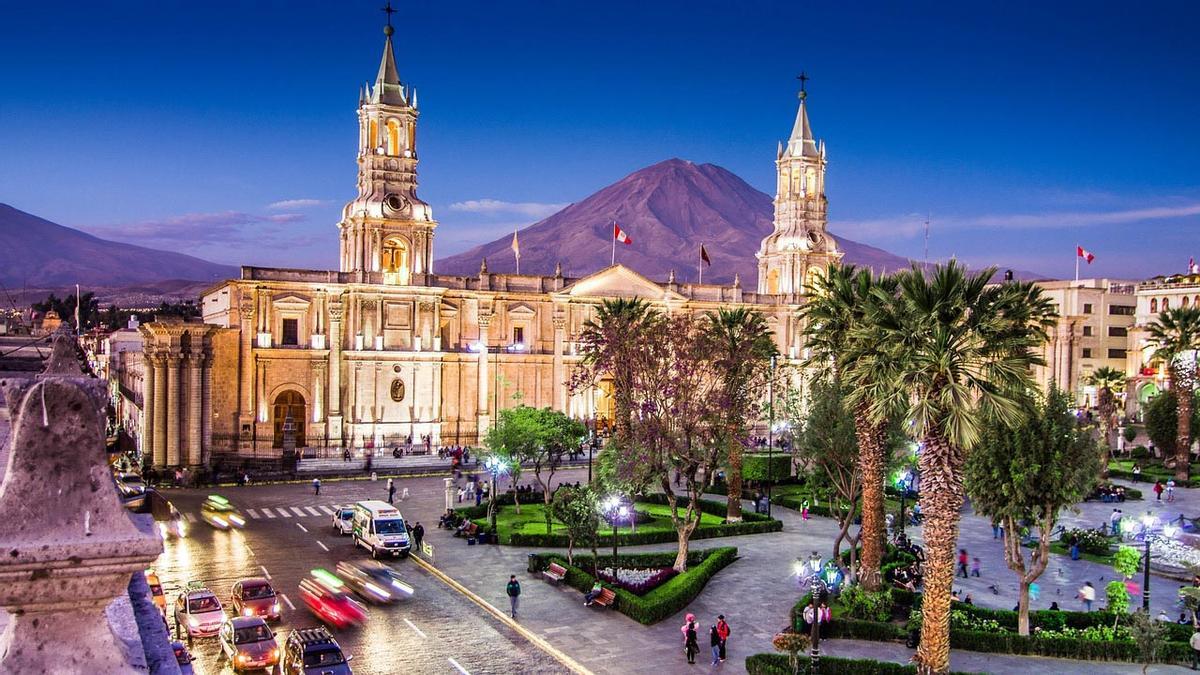
Photo: El Diario.com
Beyond its architectural value, Arequipa is also a cultural, culinary, and intellectual center of southern Peru. The city has produced many prominent figures and is considered the birthplace of several enduring Peruvian cultural traditions.
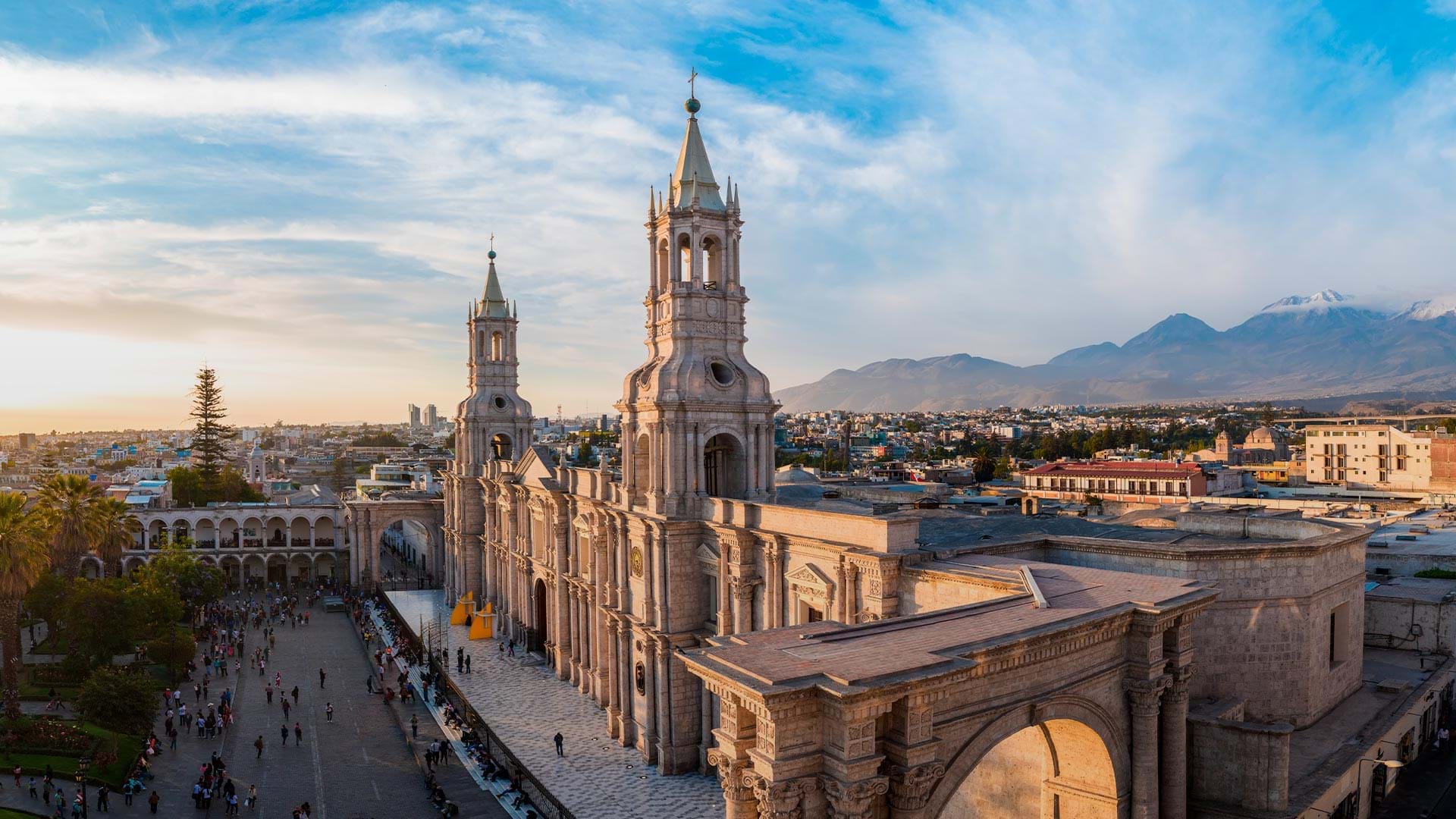
Photo: Peru Travel.com
In 2000, the Historic Centre of Arequipa was inscribed on the UNESCO World Heritage List. Today, Arequipa attracts visitors with its unique blend of volcanic landscapes, white stone architecture, and rich cultural life.
NTT