Cappadocia – A Surreal Landscape of Stone and Ancient Civilizations
Cappadocia is located in central Turkey and is renowned for its extraordinary geological landscape, shaped by volcanic activity and millions of years of erosion. The distinctive rock formations known as “fairy chimneys” create a dreamlike environment that makes Cappadocia one of the most unique regions in the world.
Since ancient times, people have taken advantage of the region’s soft volcanic rock to carve homes, churches, and communal spaces directly into the cliffs. Cappadocia became an important refuge for early Christian communities, particularly during periods of persecution under the Roman Empire. The rock-cut churches, many of which still preserve ancient frescoes, offer valuable insights into the religious and artistic life of the era.
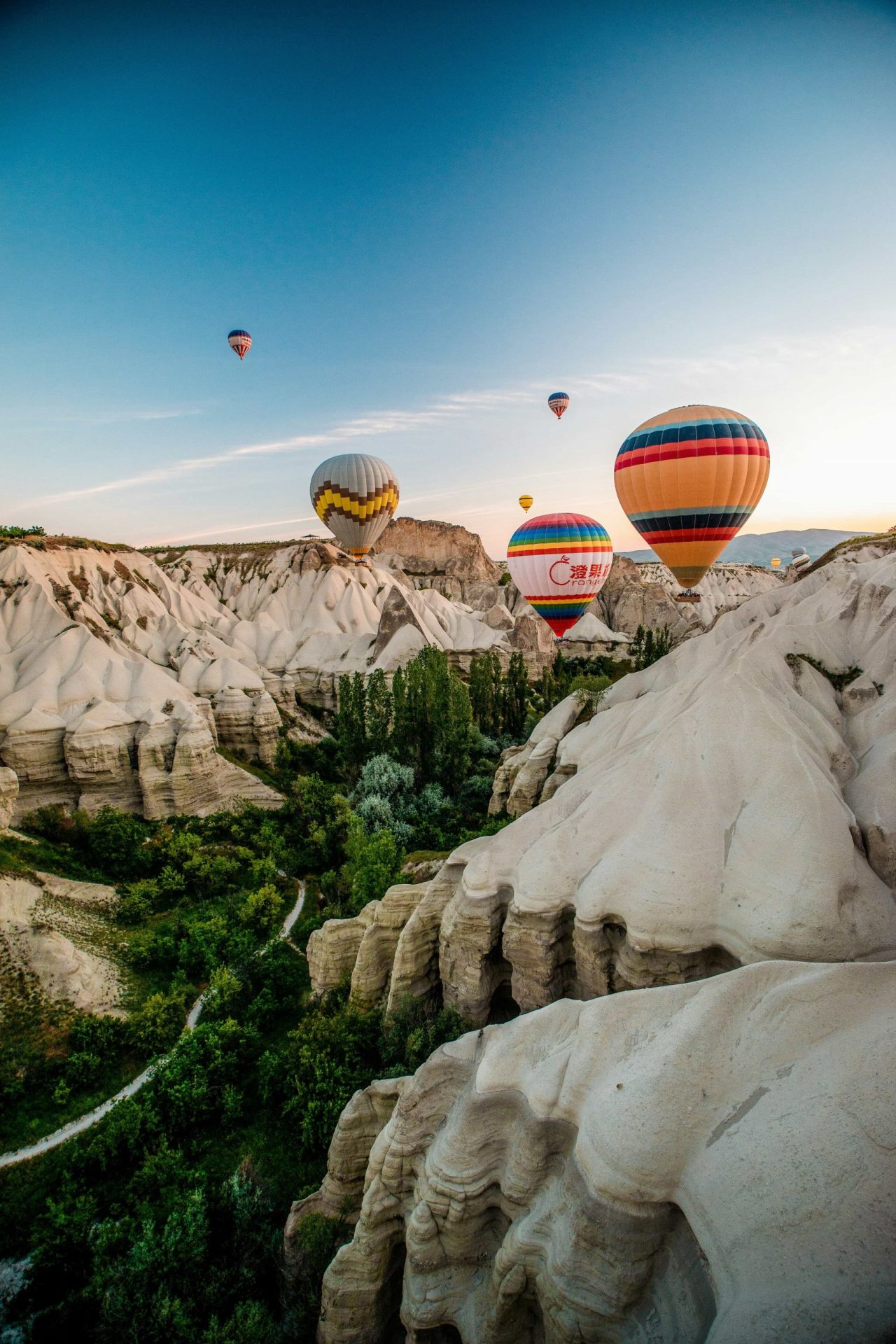
Photo: Unsplash/Tony Lee
Another remarkable feature of Cappadocia is its underground cities, such as Derinkuyu and Kaymakli, which extend multiple levels below ground. These subterranean settlements could shelter thousands of inhabitants and were equipped with sophisticated ventilation systems, wells, and escape routes, demonstrating an impressive level of engineering and social organization.
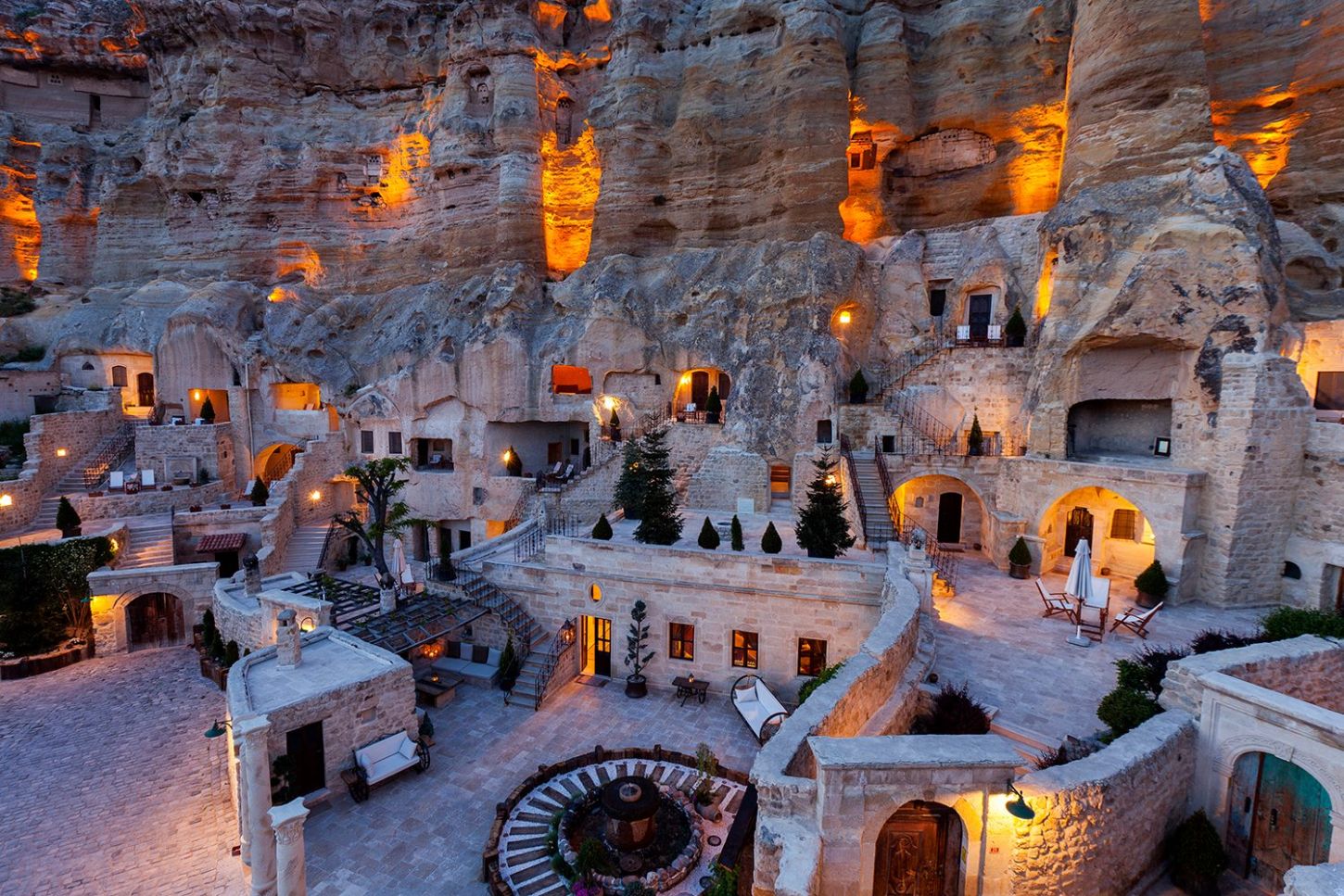
Photo: Etrip4U
Beyond its historical and religious significance, Cappadocia represents a profound example of the relationship between humans and their natural environment. Human adaptation to a challenging geological setting has resulted in a rare cultural landscape where architecture and nature blend seamlessly.
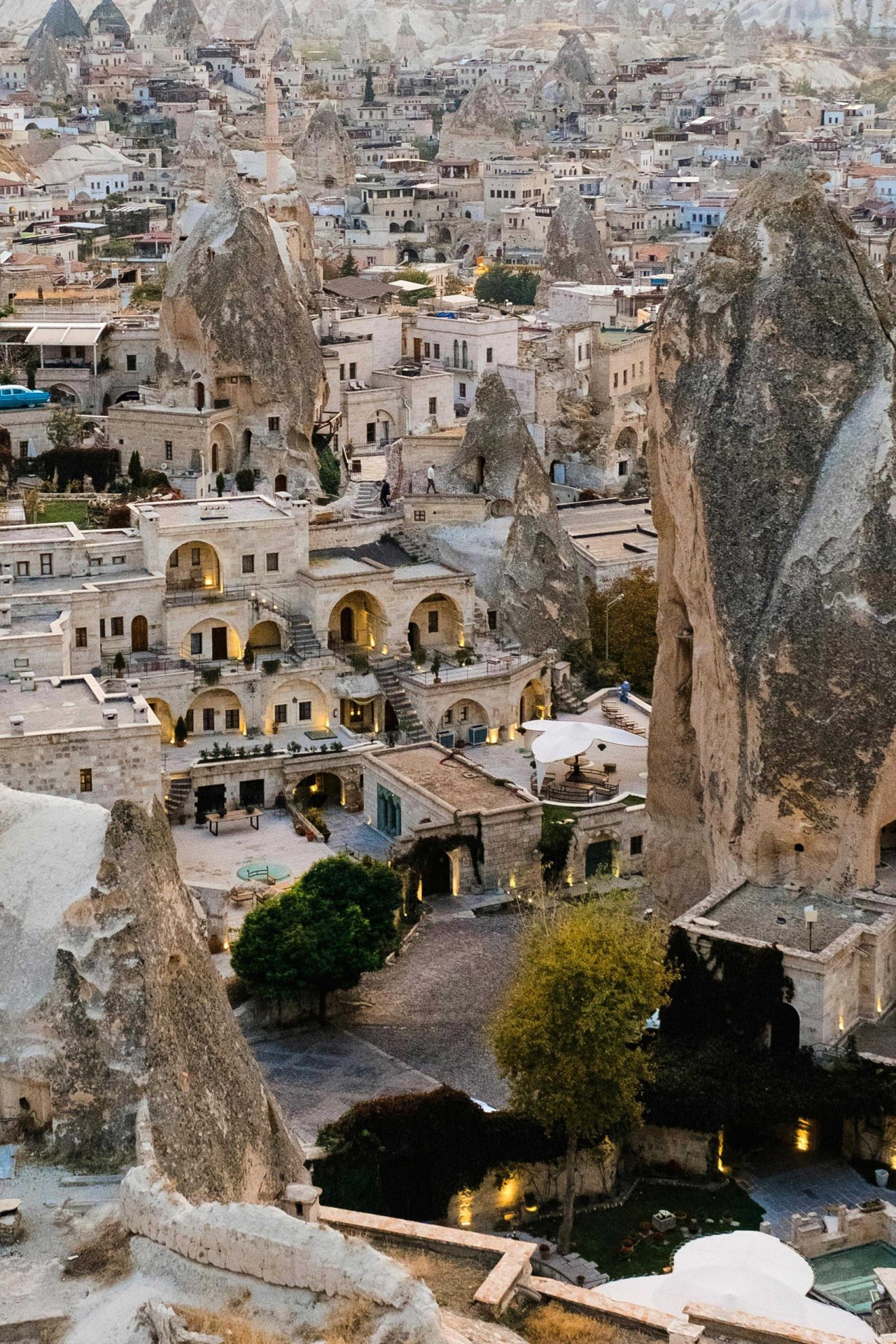
Photo: Pexels/Shvets
In 1985, the Goreme National Park and the Rock Sites of Cappadocia were inscribed on the UNESCO World Heritage List for both their cultural and natural value. Today, Cappadocia is also famous for its sunrise hot-air balloon flights, offering breathtaking views over this otherworldly landscape.
NTT