Istanbul – Where Continents and Civilizations Converge
Istanbul is the only city in the world that spans two continents, Europe and Asia, separated by the Bosphorus Strait. With a history of over 2,000 years, it has served as the capital of three great empires—the Roman, Byzantine, and Ottoman—making it one of the most significant political, religious, and cultural centers in human history.
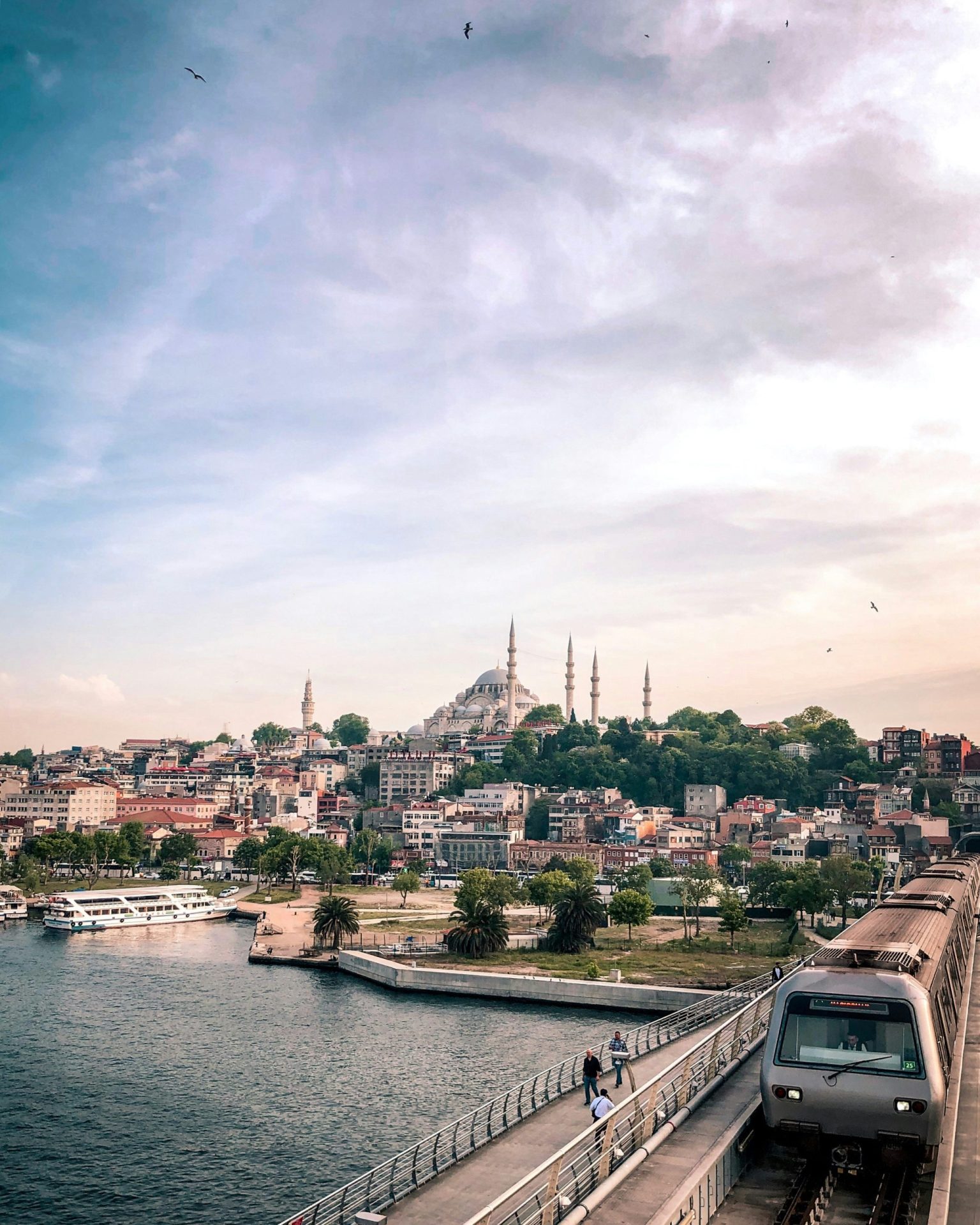
Photo: Unsplash/Fatih Trk
Originally known as Byzantium and later Constantinople, the city has witnessed major turning points in both Eastern and Western civilizations. The layered legacy of each era remains clearly visible in its urban landscape, from ancient city walls and churches to imperial palaces and monumental mosques.
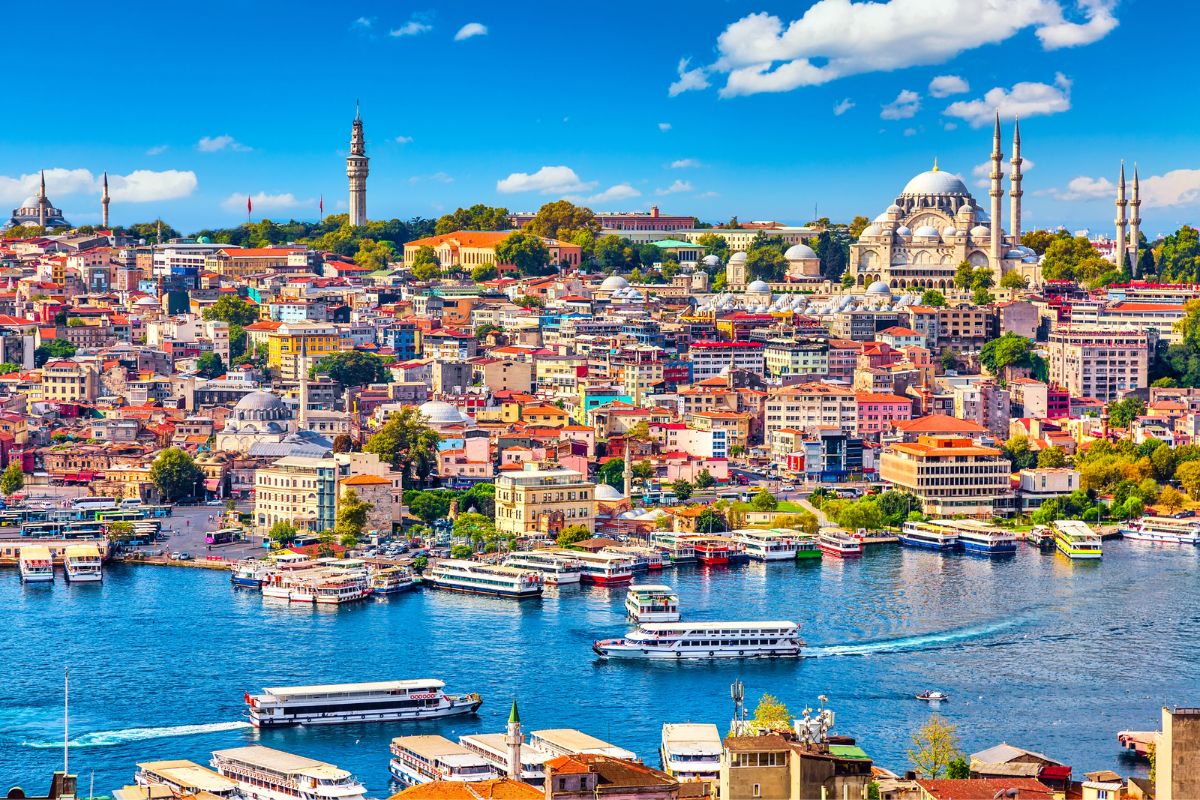
Photo: IMM Group
Key landmarks of Istanbul include Hagia Sophia, an architectural masterpiece that has functioned as a Christian cathedral, an imperial mosque, and today stands as a unique cultural symbol; the Blue Mosque, distinguished by its six minarets and interior adorned with Iznik tiles; Topkapi Palace, the seat of Ottoman imperial power; and the Grand Bazaar, one of the oldest and largest covered markets in the world.
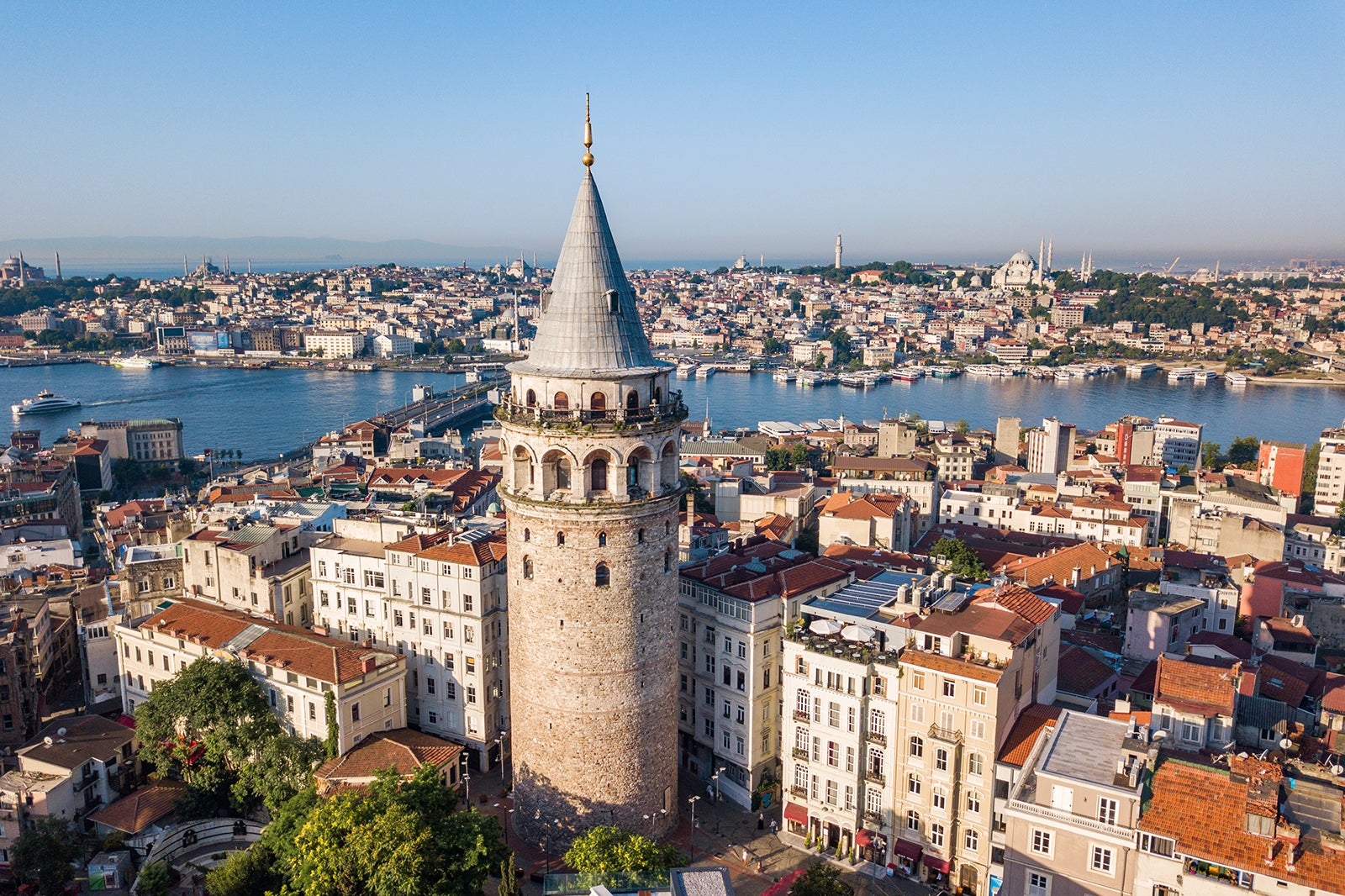
Photo: Vi.Hotels
Beyond its architecture, Istanbul is defined by its vibrant cultural life, where Islamic and Christian traditions, Eastern and Western influences coexist and intertwine. The city’s music, cuisine, crafts, and daily rhythms all reflect this rich, multi-layered identity.
In 1985, the Historic Areas of Istanbul were inscribed on the UNESCO World Heritage List. Today, Istanbul remains a dynamic metropolis where past and present flow together, creating an enduring and unmatched cultural landscape.
NTT