Vatican City – The Spiritual Heart of Catholicism and a Treasure House of Art
Vatican City is the smallest independent state in the world, entirely enclosed within the city of Rome, Italy. Covering an area of approximately 44 hectares, it holds immense religious, cultural, and historical influence as the spiritual center of the Roman Catholic Church and the residence of the Pope..
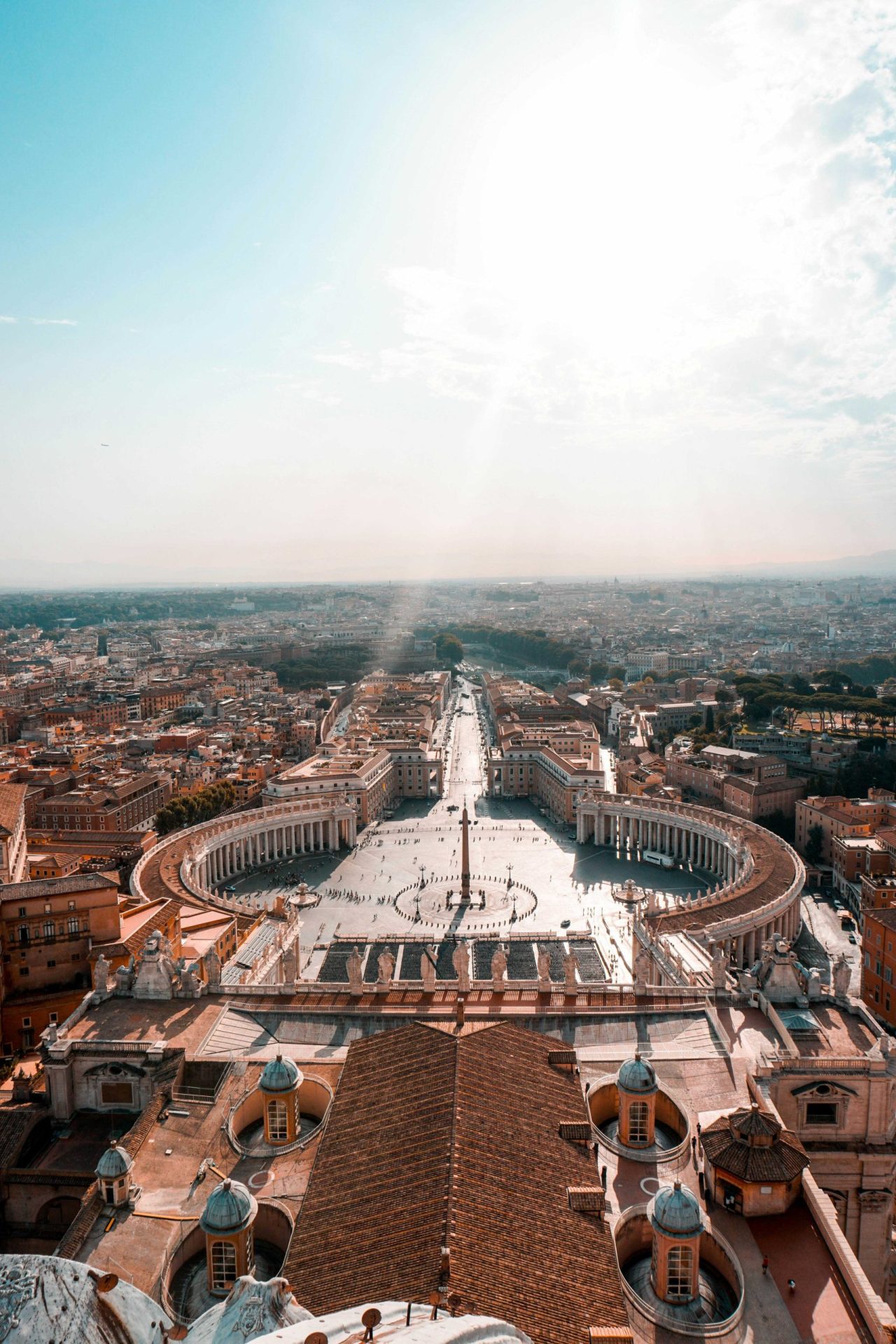
Photo: Unsplash/Jae Park
The history of Vatican City is deeply intertwined with the development of Christianity. According to tradition, Saint Peter, one of Jesus Christ’s twelve apostles, was martyred and buried at this site. Built over his tomb, St. Peter’s Basilica stands as one of the largest and most sacred religious buildings in the world.
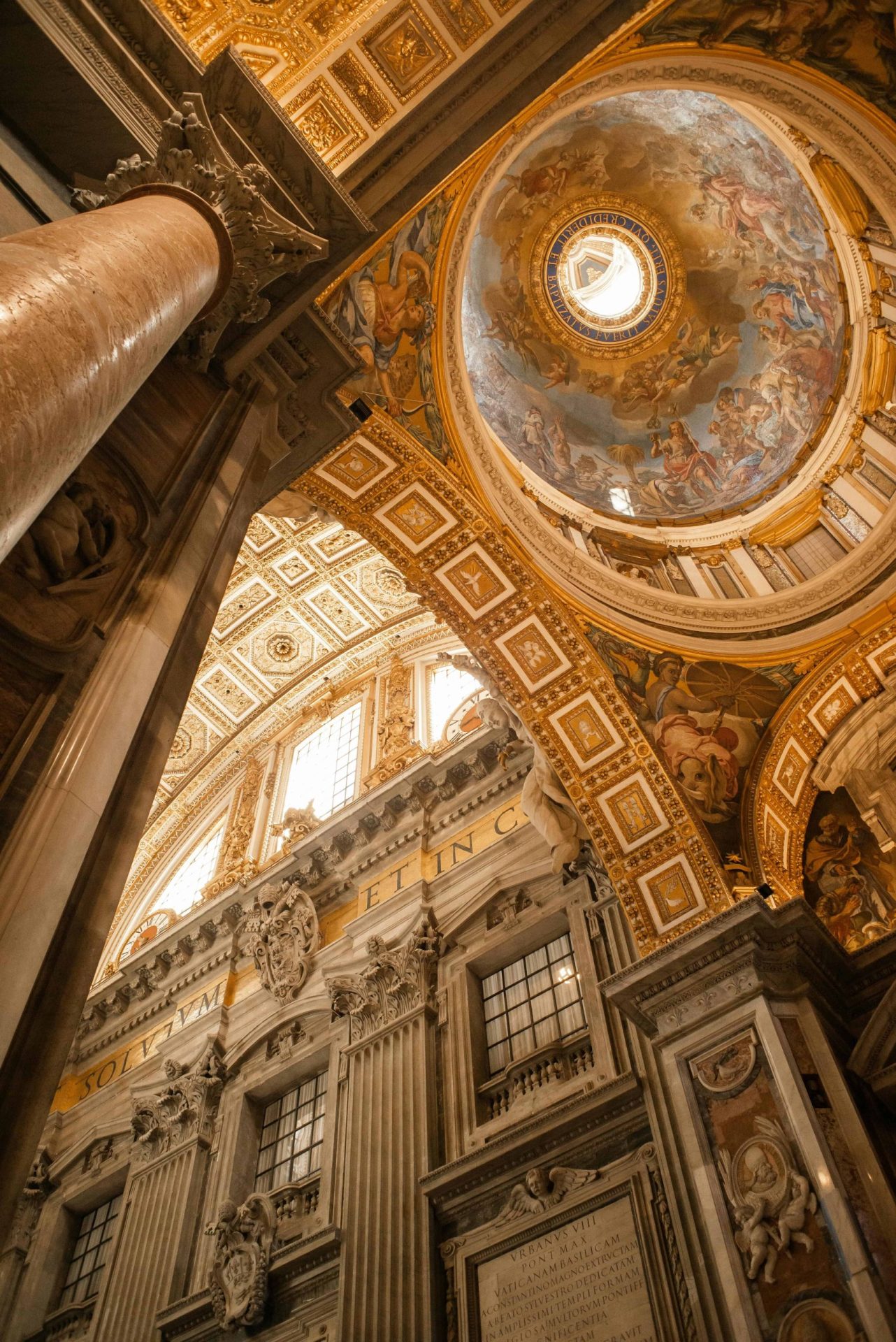
Photo: Pexels/Arthousestudio
Vatican City is renowned for its unparalleled artistic and architectural heritage, accumulated over centuries. The Vatican Museums house thousands of priceless works, including masterpieces by Michelangelo, Raphael, and Leonardo da Vinci. Among them, the Sistine Chapel, with its iconic ceiling and the Last Judgment fresco by Michelangelo, represents the pinnacle of Renaissance art.
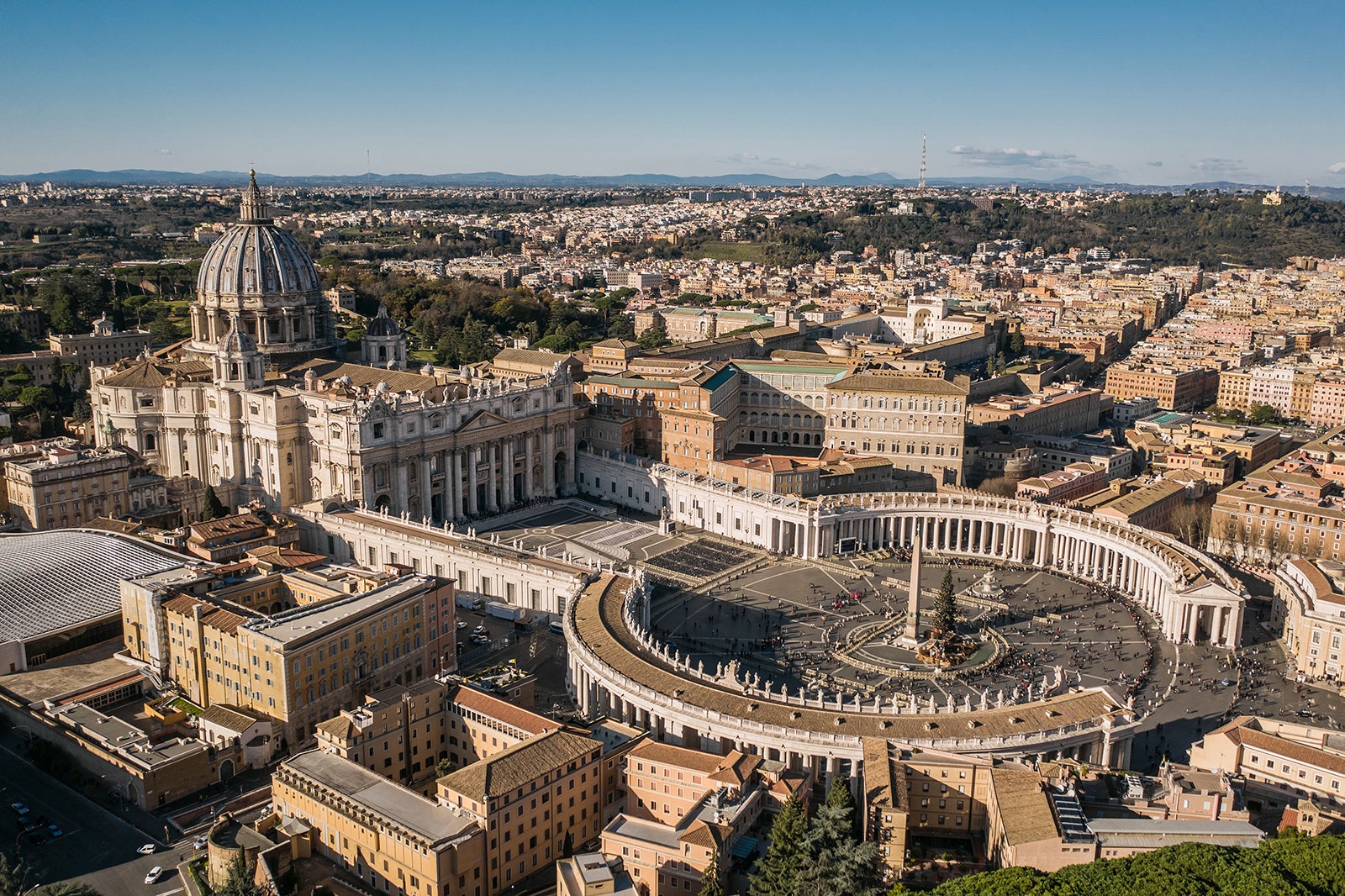
Photo: VnExpress
Beyond its religious role, Vatican City has played a vital part in the history of human civilization, particularly in preserving Western knowledge, art, and intellectual traditions through the ages. Its ceremonies, libraries, and archives illustrate the close relationship between faith, power, and culture.
In 1984, Vatican City was inscribed on the UNESCO World Heritage List, becoming the first state in the world to have its entire territory recognized as a World Heritage Site. Today, Vatican City remains both a sacred place of pilgrimage and one of humanity’s most important cultural and artistic centers.
NTT